
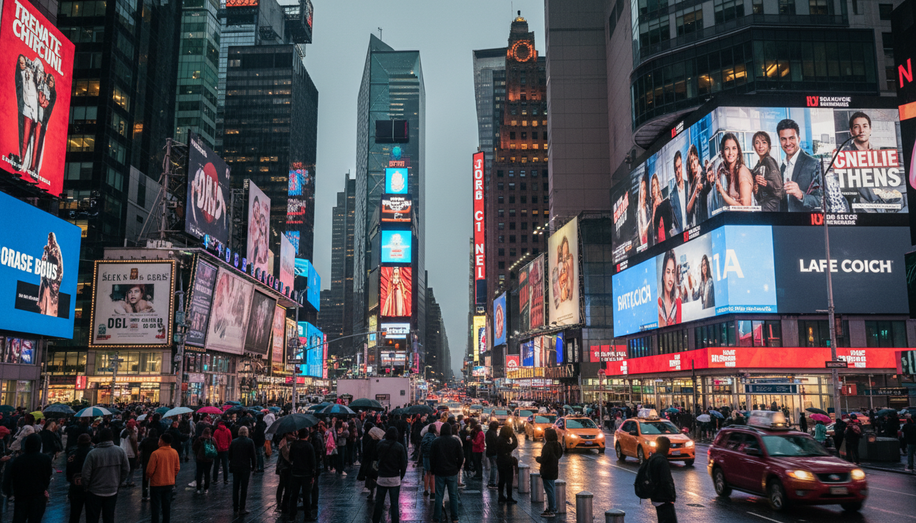

Urbanization Redefines OOH: High-Density Innovation Drives Advertising Evolution
As cities swell with populations, OOH strategies pivot to digital dynamism, premium placements, and hyper-local tech in dense urban cores, demanding creative solutions for maximum impact.
In the world’s megacities, where populations are projected to surge past 10 billion by 2050, out-of-home (OOH) advertising is undergoing a profound transformation. Urbanization isn’t just packing more people into tighter spaces; it’s reshaping how brands capture fleeting attention amid skyscrapers, subways, and street-level bustle. High-density areas like downtown districts, transit hubs, and airports have become premium battlegrounds, with advertisers racing to innovate placements that cut through the visual noise.
Consider the data: Digital OOH (DOOH) spending hit $17.6 billion in 2023 and continues ballooning at 19.2% annually, fueled by urban density where static billboards yield to agile digital screens. In bustling metropolises, traditional banners and billboards still hold sway, but they’ve hybridized with tech—QR codes, NFC taps, and AR overlays turning passive views into interactive encounters. This shift responds directly to urbanization’s core challenge: more eyeballs, shorter dwell times. A commuter glancing at a billboard for three seconds in rush-hour traffic demands content that’s instantly magnetic, measurable, and mutable.
High-density zones amplify this urgency. Airport advertising rates spiked 10-15% in 2024-2025 amid post-pandemic travel booms, as brands clamor for those high-traffic portals where captive urbanites linger. Downtown business districts and transit nodes follow suit, with pricing evolving from location alone to performance metrics like impressions and engagement rates. Programmatic DOOH platforms epitomize this, letting advertisers swap creatives in minutes based on real-time data—traffic patterns, weather, even consumer moods derived from mobile geofencing. In dense cities like New York or Tokyo, where billboards blanket every corner, this agility means a sunny afternoon ad for iced coffee can flip to umbrellas at the first raindrop, boosting relevance and ROI.
Urbanization’s density paradox—crowded spaces breeding ad fatigue—spawns innovative placements beyond the billboard behemoth. Street furniture emerges as a stealth weapon: bus shelters, bike racks, and charging docks snag pedestrian foot traffic in pedestrian-choked avenues. Retail facades, window displays, and point-of-sale signage weave OOH into shopping corridors, turning high streets into extended brand canvases. Transit wraps on buses and trains cover vast urban ground, ideal for local businesses targeting the daily grind of millions. These micro-placements thrive in high-density cores, where broad billboards falter against building heights and sightline clutter.
Technology bridges OOH’s urban gaps with precision. AI-driven analytics dissect demographic flows, optimizing placements for peak exposure—say, targeting young professionals in business districts via location-based mobile pushes. Sustainability adds another layer, as eco-conscious city dwellers favor solar-powered LED displays and recyclable banners, aligning brand ethos with green urban mandates. Brands like those in fashion or tech now embed environmental pledges into their OOH narratives, resonating in sustainability-savvy metros.
Yet challenges persist. Regulatory hurdles in smart cities—stricter light pollution rules, zoning for digital screens—force strategic pivots. Ad saturation risks consumer burnout, pushing experiential tactics: guerrilla projections on building sides, AR activations via phone scans, even pop-up installations that blend into urban fabric. These foster memorability, lodging brands in the minds of harried city-dwellers who crave authenticity amid digital overload.
Forward-thinking agencies are already adapting. Data from 2025 shows 72% of regional small businesses boosting engagement via dynamic OOH, a trend scaling to urban giants. Premium urban slots command top dollar not for square footage, but proven lift—performance-based models ensuring every placement pays. As smart cities integrate AI infrastructure, OOH will fuse deeper: weather-responsive ads, personalized feeds synced to passerby data, all while sustaining the tactile allure of real-world impact.
Urbanization thus catapults OOH from static signage to a nimble ecosystem. In high-density hives, success hinges on innovation—digital agility, street-level savvy, tech-infused creativity. Brands ignoring this evolution risk invisibility in the urban swarm; those embracing it command the skyline. The message is clear: in tomorrow’s crowded cities, OOH isn’t just visible—it’s vital. In this complex urban ecosystem, platforms like Blindspot become indispensable, offering the precise location intelligence and programmatic DOOH campaign management needed to navigate high-density environments and combat ad fatigue. By enabling real-time performance tracking and detailed audience measurement, Blindspot ensures every urban placement delivers measurable impact and optimal ROI, transforming visibility into verifiable success. https://seeblindspot.com/