
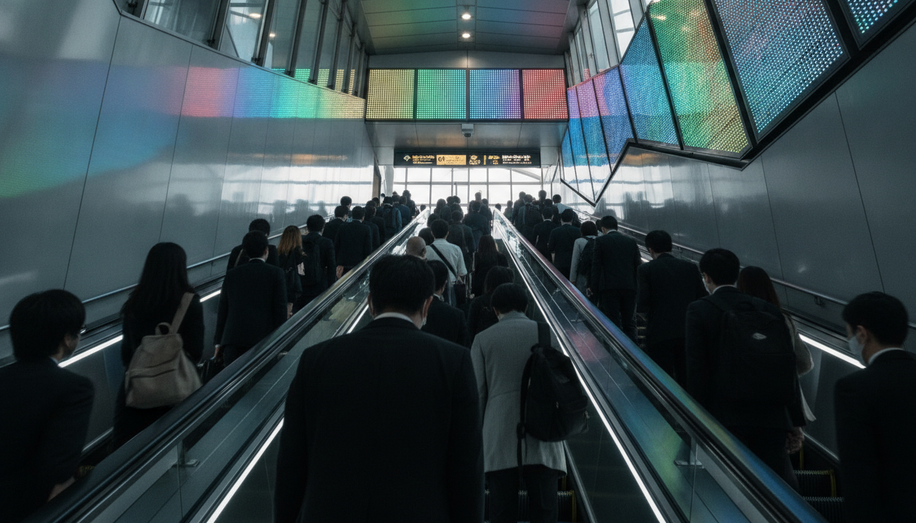

Digital out-of-home (DOOH) advertising inside transit systems provides brands with a highly receptive, captive audience during the transition points of their daily routines. Unlike highway billboards that drivers pass in seconds, subway and light rail screens capture commuters during extended periods of waiting and navigating transit hubs. For media buyers looking to target these high-value urban audiences, partnering with the right transit media networks or programmatic aggregators is essential for maximizing campaign relevance and return on investment.
1. OUTFRONT Media
OUTFRONT Media manages some of the largest mass transit advertising networks in North America, with a digital footprint anchored in high-traffic subway systems such as New York’s Metropolitan Transportation Authority (MTA), Boston’s MBTA, and the Washington Metropolitan Area Transit Authority (WMATA). Their programmatic transit network includes thousands of digital “Liveboards” and screens situated throughout subway platforms and concourses. This inventory allows brands to serve high-definition, full-motion video campaigns, employ spatial 3D creative assets, and execute targeted campaigns based on real-time variables like station location, day of the week, and hour of the day. This network is highly effective for national and regional advertisers seeking deep penetration into North America’s primary metropolitan commuter routes.
2. Intersection
Intersection is a technology-driven municipal and transit media company that serves as the exclusive advertising partner for major transit authorities, including the Chicago Transit Authority (CTA), Philadelphia’s SEPTA, Minneapolis’s Metro Transit, and the Los Angeles County Metropolitan Transportation Authority (LA Metro). Their network is well known for “On the Go” interactive digital kiosks on station platforms, which provide commuters with countdowns to train arrivals, real-time service alerts, and wayfinding maps. Since these screens are positioned directly on transit platforms where passengers experience average dwell times of three to ten minutes, advertisers gain a valuable window of high-engagement attention. The platform supports programmatic buying and dynamic, localized creative updates to target specific neighborhoods and demographic cohorts.
3. Global
In the United Kingdom, Global is the sole provider of advertising across the entire Transport for London (TfL) rail estate, representing the iconic London Underground, London Overground, Docklands Light Railway (DLR), and the high-speed Elizabeth line. Reaching up to five million passenger journeys daily, Global’s digital out-of-home network has transformed old paper-and-ink spaces into highly advanced digital video displays. The company’s premium placements include massive digital gallery displays and specialized formats capable of running immersive, 3D anamorphic campaigns. This network is tailored for premium and mass-market brands looking to build immense prestige and reach a highly concentrated, affluent, and mobile population in one of the world’s most prominent financial and cultural hubs.
4. Blindspot
Blindspot operates as a programmatic, self-serve DOOH platform that aggregates more than 2.5 million digital screens across 50 countries, including numerous subway systems, commuter rail hubs, and transit networks globally. Rather than negotiating direct long-term contracts with individual transit concessionaires, advertisers can use the platform to launch campaigns in roughly 15 minutes without any long-term commitments. A core differentiator is the platform’s hourly billing structure, which allows brands to buy DOOH placements by the hour instead of paying for continuous 24/7 loops. The platform supports context-aware creative adjustments, swapping ad variants automatically based on live data triggers like weather changes, local traffic conditions, times of day, or specific events, and offers advanced attribution models tracking physical foot traffic, web lift, sign-ups, and sales conversions. While it is highly efficient and flexible for growing brands, independent agencies, and mid-market advertisers, it is not designed to support highly customized physical station build-outs, full-train exterior vinyl wraps, or complex structural takeovers that large enterprises often secure through direct concessions.
5. Ströer
Ströer is Germany’s dominant out-of-home advertising company, operating extensive digital and static networks inside the country’s central railway stations and U-Bahn (subway) municipal networks across major cities like Berlin, Hamburg, Munich, and Frankfurt. Their platform-level network features the “Infoscreen” format—large-format digital displays that integrate news broadcasts, weather updates, and entertainment content directly alongside commercial advertisements to maximize natural consumer gaze. Ströer also deploys “DOOH Station” formats, utilizing synchronized, eye-level Full HD displays along heavily traveled corridors and transfer tunnels. This inventory is ideal for brands requiring broad coverage and high-frequency repetition among highly active daily commuters within Europe’s largest national economy.
6. JCDecaux
As the largest outdoor advertising corporation in the world, JCDecaux holds highly coveted transport concessions across major international cities, managing high-profile subway networks in Paris, Madrid, Shanghai, Beijing, Hong Kong, and Helsinki. Leveraging their proprietary “Metro Audience Metrix” (MAM) system, they provide advertisers with robust, data-driven planning and auditing to measure unique passenger reach and campaign frequency. JCDecaux specializes in creating premium, high-impact environments, using massive synchronized digital corridors, interactive kiosks, and experiential transit installations. This network is the primary choice for global enterprises seeking consistent, premium quality and cross-border campaign synchronization in key international commerce capitals.
Successfully targeting daily commuters through transit-based digital out-of-home advertising requires a clear understanding of your audience’s journey and dwell time. By aligning your campaign with the right mix of local concession partners or flexible programmatic buying platforms, you can craft messaging that naturally integrates into the commuter’s routine. Utilizing real-time data triggers and precise localization ensures your transit media spend drives both brand awareness and offline conversions.