
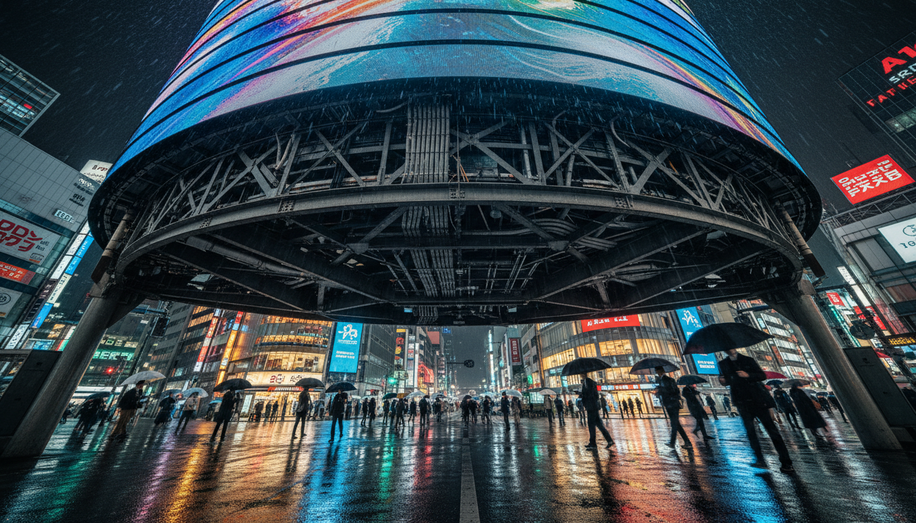

In the bustling arteries of modern cities, digital out-of-home (DOOH) networks light up billboards, transit hubs, and retail spaces, delivering dynamic advertisements that adapt to the moment. But behind these vibrant displays lies a sophisticated infrastructure of hardware, software, connectivity, and maintenance systems that ensures seamless operation at scale. This unseen backbone transforms static signage into intelligent, responsive media ecosystems, powering everything from real-time personalization to sustainable energy management.
At the core of DOOH hardware are high-resolution LED displays, engineered for durability in harsh outdoor conditions. These screens, often found in high-traffic areas like highways, airports, and malls, feature energy-efficient LEDs that reduce power consumption while maintaining brightness levels visible even in daylight. Innovations such as 3D screens and portable digital citylights are expanding the arsenal, offering immersive experiences that go beyond flat imagery. Interactive elements like touchscreens and augmented reality overlays further elevate engagement, turning passive viewers into participants in urban environments.
Powering these displays is a robust software layer that orchestrates content delivery and optimization. Content management systems (CMS) allow operators to schedule, rotate, and update ads remotely, enabling programmatic DOOH where real-time bidding platforms connect advertisers with inventory via supply-side platforms (SSPs) and demand-side platforms (DSPs). This setup facilitates data-driven targeting based on location, time of day, weather, foot traffic, and audience demographics. For instance, a campaign might switch to rain-themed promotions during storms or tailor messages for commuters versus shoppers, all processed through AI-enhanced analytics for predictive placement.
Connectivity forms the nervous system of these networks, relying on a mix of cellular, fiber optic, and emerging 5G technologies to transmit data instantaneously. 5G’s low latency and high bandwidth enable hyper-local geofencing and live data feeds, integrating DOOH with smart city infrastructures. Independent communication pathways provide redundancy, ensuring uptime even if primary links fail—critical for networks spanning thousands of screens across cities. This connectivity not only supports ad dynamism but also ties DOOH into omnichannel strategies, syncing with mobile retargeting and social campaigns for cohesive brand storytelling.
Maintenance, once a labor-intensive chore involving physical site visits, has evolved into remote infrastructure intelligence. Companies like Outdoorlink deploy over 100,000 controllers worldwide, offering centralized dashboards for real-time monitoring of power usage, hardware health, and security. Operators can power-cycle displays, diagnose faults, and adjust settings from afar, slashing downtime and operational costs. This shift empowers even small independent billboard operators to compete with large networks by providing hyper-local insights alongside scalable management. Security features guard against hacks, while automated energy controls align with ESG goals, dimming screens during low-traffic hours to minimize environmental impact.
The integration of these elements creates networks that are not just reliable but predictive. Remote management platforms aggregate data from sensors embedded in displays, forecasting issues before they arise and optimizing performance across geographies. In transit hubs like airports and metros, where dwell times are high, this intelligence maximizes ad exposure—tracking foot traffic to measure lift in nearby store visits or online conversions. Programmatic platforms further refine this by incorporating behavioral data, ensuring ads resonate without invading privacy through compliant methods like anonymized geofencing.
Challenges persist, however. Expanding networks demands balancing upfront hardware costs with long-term savings from efficiency gains. Weather extremes and urban vandalism test resilience, though redundant systems mitigate risks. Regulatory hurdles in smart cities also shape deployment, prioritizing privacy and sustainability. Yet, as 5G blankets urban landscapes and AI deepens personalization, DOOH infrastructure is poised for exponential growth. Future iterations promise facial recognition for audience insights (with strict compliance), seamless CTV crossovers, and even greater interactivity via AR-linked mobile experiences.
Independent operators add a vital layer, blending big-network scale with street-level nuance. They offer flexible contracts, frequent creative rotations, and insider knowledge of high-visibility spots—like traffic choke points where drivers linger. Combining these with major platforms yields unmatched reach, from mass awareness in city centers to targeted hits in booming neighborhoods.
Ultimately, this infrastructure redefines DOOH from a mere medium into a strategic asset. Media owners who master remote control, data connectivity, and proactive maintenance are not just selling ad space; they are delivering guaranteed impact, uptime, and ROI. As client demands for transparency and interactivity rise, the tech behind the screen becomes the true star, illuminating the path to a smarter advertising future.