

The Synergy of OOH and Social Media: Amplifying Brand Reach
Integrating out-of-home (OOH) advertising with social media strategies creates powerful synergies that drive engagement, boost visibility, and deliver measurable ROI in the digital age.
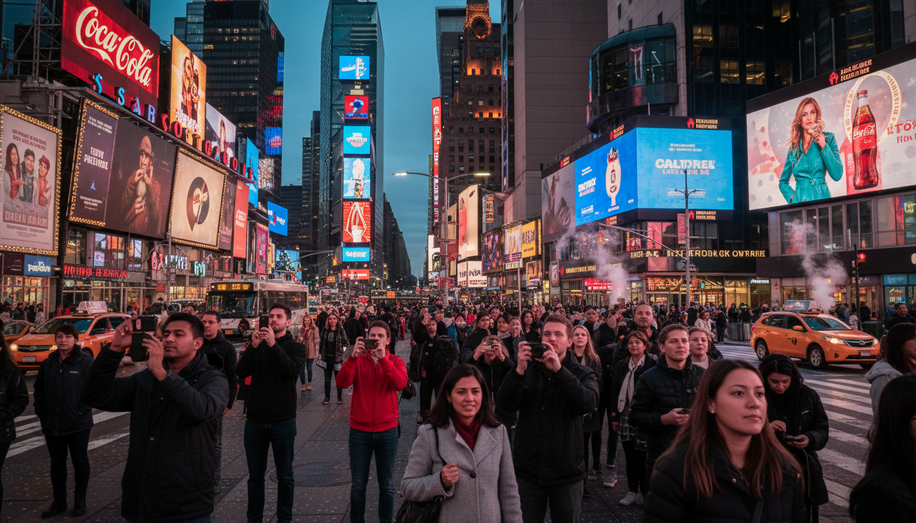
In an era where consumers navigate seamless digital-physical worlds, the fusion of out-of-home (OOH) advertising—both traditional and digital (DOOH)—with social media has emerged as a transformative force for brands. This integration leverages the massive, unmissable reach of physical displays like billboards and screens with the viral, interactive power of platforms such as Instagram, TikTok, and Twitter. Far from competing channels, they complement each other: OOH captures attention in real-world contexts, while social media extends and amplifies those moments online, creating unified campaigns that resonate across touchpoints.
Consider the mechanics of this synergy. DOOH’s dynamic capabilities—real-time updates, AI-driven personalization, and interactivity—allow advertisers to sync content with social feeds in ways static billboards never could. A teaser billboard campaign might launch on social media first, building anticipation before a physical reveal, ensuring consistent messaging that reinforces brand recall. This media mix approach coordinates outdoor exposure with digital efforts, turning passive viewers into active participants. Research underscores the impact: mobile click-through rates can surge by up to 15% when bolstered by OOH support, as proximity data links billboard sightings to online actions.
Real-world case studies illuminate this potential. A fashion brand’s “Impossible Sale” campaign deployed DOOH screens in parking garages and high-traffic spots, featuring countdown timers and exclusive previews that sparked urgency. Integrated with social media, it not only drove foot traffic and online buzz but also amplified store visits through shared sneak peeks. Similarly, in London’s Piccadilly Circus, a candy company’s interactive DOOH billboard used facial recognition to “smile back” at passersby, generating a 22% sales lift. The gimmick went viral on social channels, blending on-site wonder with shareable content.
Hashtag campaigns take this further. Hashtag-Vape paired strategically placed digital billboards with clear calls-to-action directing traffic to social feeds, boosting visibility and interaction on a budget. The result? Measurable engagement spikes as physical ads fueled online conversations. Mr. Charlie’s Chicken Fingers ran a contest blending billboards with social participation, supporting multi-location growth through enhanced outdoor visibility and digital entries. A regional retailer announced a store opening via billboards, then pivoted to Instagram behind-the-scenes videos, yielding higher foot traffic and online interactions.
Advanced technologies supercharge these pairings. Augmented reality (AR) billboards, when tied to social strategies, generate 4.7 times more impressions than traditional OOH and a 342% increase in social shares. Users scan QR codes or AR markers on billboards to unlock interactive experiences—think transforming selfies on Instagram or TikTok challenges—that hold attention for over 30 seconds, dwarfing conventional billboards’ 2-3 seconds. A grocery chain’s QR-enabled DOOH ads let shoppers build lists via mobile, netting a 15% app download surge while syncing with social promotions.
Even guerrilla-style activations shine here. When fans of a reality show placed outrage-fueled digital billboards, they tapped into an existing social storm, amassing 760 million press and social impressions within hours. Searches for the billboards outranked the star herself, proving OOH’s ability to hijack and extend digital narratives. Luxury car brands in parking facilities saw test drive bookings soar by targeting affluent drivers at decision moments, with DOOH synced to mobile targeting for omnichannel lift.
Retail chains have mastered seasonal pushes: one synced DOOH promotions with mobile and social, shattering quarterly sales records through dual online and in-store traffic. A drink company paired traditional billboards with DOOH displaying live social reactions to TV spots, crafting a singular brand voice across channels. Tech firms at bus stops offered interactive demos that users continued on phones, dissolving online-offline boundaries.
This interplay yields tangible metrics. Weather-responsive fashion ads in New York boosted foot traffic 35%; Tokyo train station screens drove 47% app growth via safety alerts shared socially. Interactive mirrors and weather-triggered displays lifted sales 25-30%. User-generated content on DOOH screens, as a fashion brand did, spurred in-store visits and social engagement loops.
Critically, success hinges on execution: consistent creative, platform-specific optimization (visually stunning AR for Instagram, trend-aligned challenges for TikTok), and data-driven measurement. Parking garages and urban hubs prove ideal for affluent, mobile audiences primed for social sharing. As DOOH evolves with video, real-time messaging, and AI, its synergy with social media breaks silos, fostering agile campaigns that adapt and scale.
Brands ignoring this miss a multiplier effect. OOH provides credibility and scale—reaching 98% of adults weekly—while social ignites conversation. Together, they don’t just advertise; they orchestrate cultural moments, turning visibility into loyalty and action. In the digital age, this is the new standard for reach.