

Decoding Audiences: How Analytics Powers DOOH’s Next Era of Precision
Data analytics is revolutionizing digital out-of-home (DOOH) advertising, delivering granular insights into audience behavior, location efficacy, and ROI to craft hyper-targeted campaigns that drive measurable results.
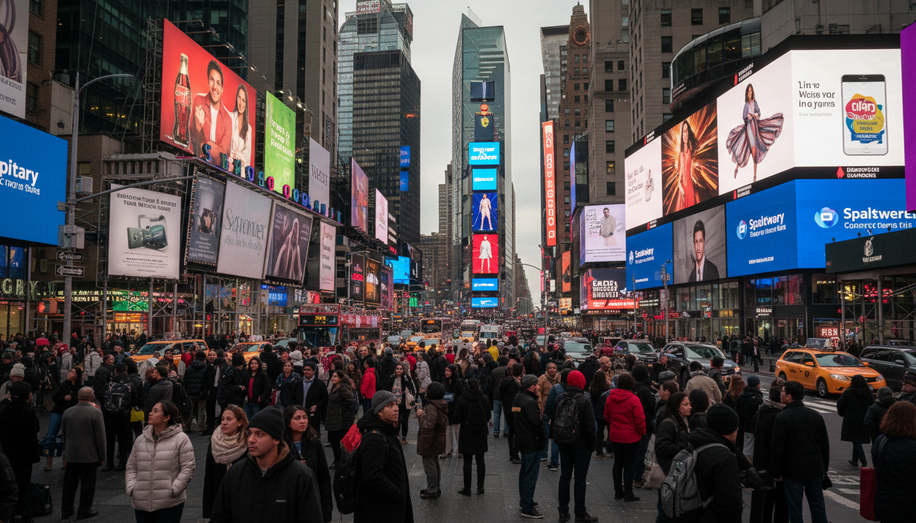
In the fast-evolving landscape of out-of-home advertising, digital out-of-home (DOOH) stands at the forefront of innovation, propelled by sophisticated data analytics. No longer confined to static billboards, DOOH leverages real-time data streams to transform campaigns from broad awareness plays into precise performance engines. The Out-of-Home Advertising Association of America (OAAA) forecasts that by 2025, the industry will shift decisively toward data-driven strategies, incorporating advanced measurement tools, programmatic capabilities, and AI-driven personalization to optimize omnichannel efforts. This evolution addresses longstanding critiques of outdoor advertising’s measurability, turning screens in metros, malls, and urban hubs into dynamic touchpoints that respond to audience movements and contexts.
At the heart of this transformation lies audience behavior analysis. Modern DOOH platforms integrate mobile location data, geofencing, and QR code tracking to map how viewers interact with content. For instance, brands can correlate screen exposures with subsequent mobile actions: 74% of mobile users take some step after encountering a DOOH creative, bridging outdoor visibility to digital conversions. In bustling markets like West Delhi’s Tilak Nagar or Delhi Metro stations, analytics reveal peak engagement windows, allowing advertisers to trigger messages tailored to weather, time of day, or commuter flows. This granularity empowers marketers to understand not just who sees the ad, but how it influences mid-funnel decisions—such as consideration or purchase intent—without relying on guesswork. Real estate developers in India, for example, have ramped up DOOH spending by 28% in recent years, using behavioral data to showcase live site progress videos that spiked walk-in inquiries by 25%.
Location performance emerges as another critical arena where analytics shines. Programmatic DOOH enables automated bidding for screen slots based on real-time audience demographics and traffic patterns, ensuring ads appear only when the right crowd is present. Tools like AI-powered impression tracking via cameras and footfall analytics provide two-to-three times the accuracy of traditional outdoor metrics, pinpointing which placements—be it Hyderabad smart kiosks or airport transit screens—yield the highest uplift in nearby store visits or website traffic. Vistar Media highlights real-time optimization as a game-changer: campaigns adjust creatives, budgets, or targeting on the fly in response to breaking news, traffic surges, or market shifts, maximizing relevance without fixed commitments. In one vivid case, geofenced insights from DOOH placements boosted offline-to-online engagement by 38%, as exposed audiences responded more readily to complementary mobile ads. Sectors like FMCG, e-commerce, fintech, and BFSI are leading this charge, drawn by the clarity of location-specific ROI that static billboards rarely offer.
ROI measurement, once OOH’s Achilles’ heel, now benefits from a robust analytics ecosystem. Businesses report an average $5.97 return per dollar invested, validated through direct attribution methods like unique promo codes, dedicated landing pages, and geographic website traffic spikes. Advanced integrations with mobile data and consumer behavior analytics deliver cost-per-impression breakdowns, demographic profiles, and predictive modeling via AI and machine learning. Programmatic insights dissect performance by screen, hour, and condition, while retail analytics link exposures to tangible outcomes like foot traffic increases. This data closes the loop: a brand deploying dynamic weather-based ads on LED displays can quantify lift in conversions, reallocating budgets from underperforming channels to high-ROI spots. OAAA CEO Anna Bager emphasizes DOOH’s adaptability, noting how it crafts messages synced to real-time contexts, elevating it from interruption to seamless guidance in user journeys.
These capabilities extend beyond isolated campaigns, fostering omnichannel synergy. Location data from DOOH informs geofenced digital retargeting, nurturing longer sales cycles by pairing broad reach with precision follow-ups. In India’s urban boom—fueled by smart city projects and denser screen networks—DOOH’s measurability appeals even to MSMEs, who track QR scans and app activity to refine creatives iteratively. Predictive analytics forecast optimal timings and placements, while augmented reality elements generate earned media through interactive experiences.
Yet, challenges persist. Privacy concerns demand careful handling of location data, positioning DOOH as a “privacy-friendly” leader through aggregated insights rather than individual tracking. Conflicting data across platforms requires cross-verification, but authoritative sources like OAAA underscore consensus on analytics’ upward trajectory.
As 2025 unfolds, analytics cements DOOH’s role as a mid-funnel powerhouse. Brands that harness these tools—not just for targeting, but for continuous optimization—will dominate urban attention economies. From Delhi’s retail streets to global programmatic networks, data illuminates the path to campaigns that don’t just reach audiences, but move them. The era of intuitive, evidence-based DOOH strategy has arrived, promising sustained growth for advertisers bold enough to follow the numbers.
(Word count: 712)