
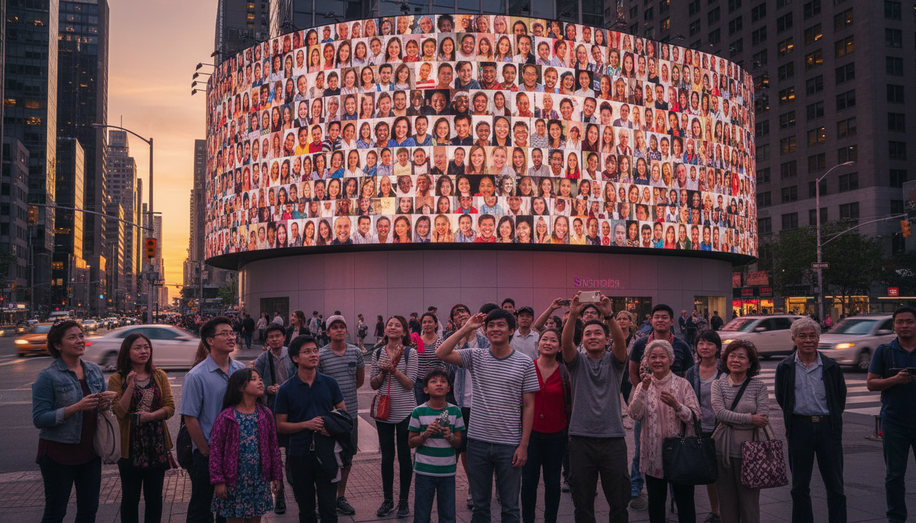

In the bustling digital landscapes of city streets and transit hubs, digital out-of-home (DOOH) screens have evolved from static billboards into dynamic canvases capable of real-time storytelling. Brands are increasingly turning to user-generated content (UGC) to infuse these displays with authenticity, transforming passive viewers into active participants. By weaving real people’s voices, photos, and videos into DOOH campaigns, marketers are not just advertising—they’re fostering genuine community and sparking measurable engagement.
UGC, at its essence, is content crafted by consumers rather than brands: think unscripted customer reviews, smartphone snaps of products in everyday use, or viral social media clips. When displayed on DOOH screens, this material cuts through the clutter of polished ads. Research from industry leaders like Bauer Media Outdoor underscores how UGC leverages “social proof,” where seeing peers endorse a product sways decisions more powerfully than any celebrity endorsement. A screen flashing a customer’s glowing review of a coffee chain’s latest brew doesn’t just sell lattes; it signals trust, drawing passersby into a shared narrative.
Consider how global brands have mastered this integration. Coca-Cola’s “Share a Coke” campaign took UGC to new heights by inviting consumers to share personalized bottle photos online, then dynamically pulling top submissions onto DOOH networks in high-traffic areas like Times Square. As pedestrians scrolled their phones, screens mirrored their feeds, creating a seamless blend of digital and physical worlds. The result? A surge in social shares and foot traffic, proving UGC’s power to bridge online buzz with real-world action. Similarly, Airbnb has rotated user-submitted travel stories and photos across urban DOOH panels, turning abstract listings into relatable adventures that prompted immediate app downloads.
The mechanics of implementation are straightforward yet sophisticated. Brands start by curating UGC from platforms like Instagram, TikTok, or dedicated hashtag campaigns, using moderation tools to ensure quality and compliance. Real-time APIs then feed this content onto DOOH networks, where geo-targeting ensures relevance—think local gym-goers seeing neighborhood workout selfies on screens near fitness centers. For added interactivity, QR codes invite viewers to contribute their own content on the spot, fueling a self-sustaining loop. This isn’t mere novelty; data from Cure Media highlights how such tactics boost campaign recall by up to 30%, as authentic faces resonate more than models.
Yet, success hinges on strategy. First, incentivize creation through contests or challenges—Nike’s #JustDoIt runs have users posting training montages, with winners featured on stadium screens, galvanizing fan communities. Second, prioritize diversity: showcasing varied demographics builds inclusivity, as seen in beauty brand Glossier’s DOOH displays of real-skin selfies from global users, which amplified brand loyalty among underrepresented groups. Third, measure impact rigorously. Tools like facial recognition analytics (with privacy safeguards) track dwell time and emotional responses, while unique promo codes tied to UGC screens quantify conversions.
Challenges persist, of course. Legal hurdles around permissions demand clear terms for UGC usage, and algorithmic curation must avoid bias or negativity. But brands navigating these—through partnerships with platforms like Hootsuite or BrandLens—reap outsized rewards. UGC on DOOH doesn’t just humanize ads; it cultivates loyalty. When consumers see their content light up a screen, they feel seen, valued, and part of something bigger, turning one-off viewers into vocal advocates.
Looking ahead, as DOOH networks integrate AI for even smarter personalization, UGC will become the heartbeat of out-of-home marketing. Imagine screens adapting live to trending local events, pulling in user reactions to a music festival or product launch. This real-people revolution is redefining engagement, proving that in an era skeptical of slick messaging, nothing builds community like the unfiltered truth of those who live the brand. For OOH advertisers, the message is clear: harness UGC, and watch your screens become conversation starters, not just spectacles.