
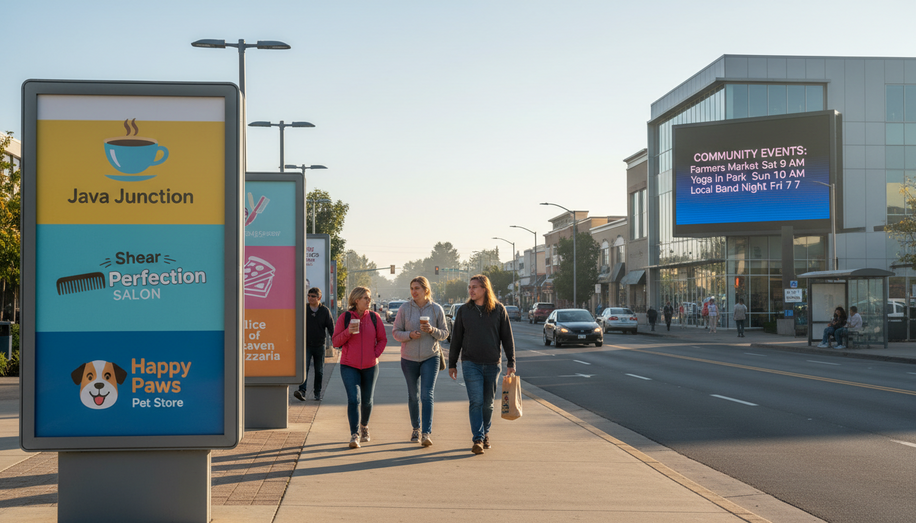

In the bustling streets of urban neighborhoods and quiet rural crossroads alike, out-of-home (OOH) advertising is undergoing a profound transformation. No longer confined to generic slogans broadcast across vast regions, today’s most effective campaigns weave in hyper-local elements—references to nearby landmarks, community events, seasonal weather patterns, and cultural nuances—that forge genuine connections with passersby. This shift toward localized content is not mere trend; data underscores its potency in elevating brand trust, engagement, and action.
A landmark study by Locality and The Harris Poll reveals the stark advantages of tailoring messages to specific communities. Among American consumers, 71% prefer advertising that feels localized, with the figure climbing to 81% among Gen Z and younger Millennials. Viewers exposed to such content are six times more likely to see the brand as part of their community, boosting trust fourfold over national ads. Crucially, 53% of these viewers report heightened purchase intent—four times the 13% response rate from generic national campaigns. This “local lift” stems from authenticity: ads that authentically integrate regional pride or shared experiences resonate deeply, prompting 63% of respondents to perceive brands as truly embedded in their locale.
OOH’s unique position amplifies this effect. Billboards, digital screens, and transit displays capture audiences in real-time, amid their daily routines—commuting to work, shopping locally, or attending neighborhood gatherings. Hyper-local strategies excel here by precision-targeting high-traffic zones near points of interest like schools, retail hubs, or event venues. In India, for instance, location-based targeting on digital OOH has driven 22% higher engagement, with personalized ads referencing local languages, festivals, or weather boosting attention by 25%. Campaigns in cities like Mumbai or Bengaluru, featuring Marathi scripts or neighborhood deals, feel personal rather than pandering, spurring immediate actions like store visits.
Brands leveraging community insights reap measurable gains. Consider hyper-local billboards: by focusing on demographics, traffic patterns, and buying behaviors in specific neighborhoods, advertisers minimize waste and maximize ROI. This approach proves cost-effective, allowing flexible budgeting while building loyalty through demonstrated commitment to local values. Consumers respond to personalization—ads nodding to regional culture or events foster trust and prompt conversions, from redeeming nearby discounts to exploring brands further. Nielsen’s analyses of OOH campaigns further affirm this, showing localized executions extend reach and resonance among targeted groups, often outperforming broader media buys.
Yet success demands more than swapping in a local landmark. Authenticity is paramount; 54% of viewers in the Locality study flagged “pandering” as a turn-off, emphasizing the need for genuine integration over superficial nods. Outdoor agencies bridge this gap by blending data analytics with creative savvy. Programmatic OOH platforms enable dynamic content swaps—say, promoting a rain delay at a local sports event or highlighting harvest festivals in rural areas—contextualizing messages for maximum relevance. In rural markets, where competition is lower, billboards near gathering spots deliver unmatched visibility, tailored to community rhythms like farm schedules or town fairs.
JCDecaux highlights contextual targeting’s role in this ecosystem: OOH’s mass reach pairs seamlessly with location data to serve hyper-relevant content, from weather-tied promotions to event-driven calls-to-action. Data-driven site selection, informed by footfall patterns and local events, can lift daily visits by 15% in key areas, with overall campaign performance rising 10-12%. Indian marketers, over 60% of whom endorse data-fueled agencies, report similar uplifts, proving localized OOH transcends borders.
For brands, the playbook is clear: mine community insights via social listening, demographic data, and partnerships with local influencers. Collaborate with OOH specialists to deploy flexible digital formats that adapt in real-time. Test creatives against authenticity metrics, ensuring they evoke pride rather than gimmickry. Quick-service restaurants, retailers, and automakers have seen localized video and static OOH outperform nationals across metrics, from curiosity (73% uplift) to connection (74%).
The power of localized content in OOH lies in its ability to humanize brands amid information overload. By meeting consumers where they live—literally and figuratively—campaigns transform passive glances into active loyalties. In an era demanding relevance, those who master community tailoring don’t just advertise; they belong. This isn’t optional evolution; it’s the new standard for impactful OOH, backed by metrics that demand attention from savvy marketers worldwide.