
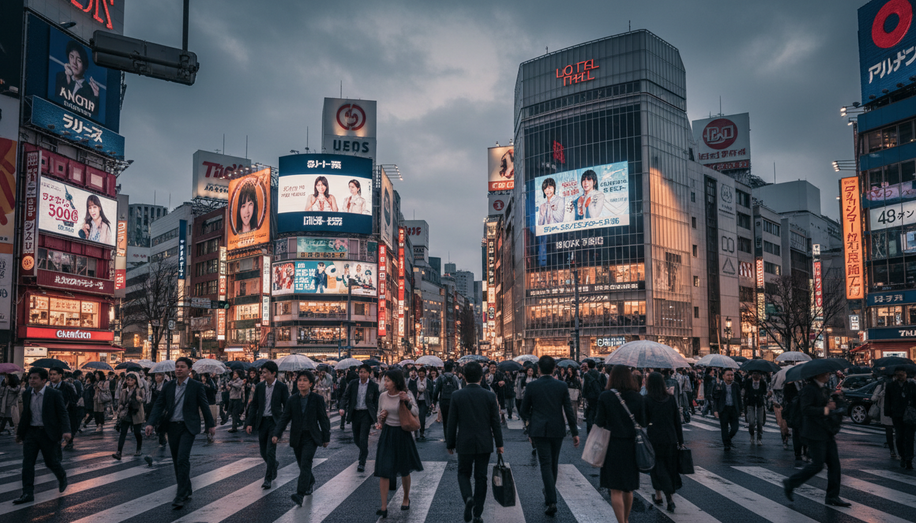

The Next Frontier: Integrating OOH with Smart City Initiatives
Meta description: Discover how digital out-of-home (DOOH) advertising merges with smart city tech for real-time, data-driven experiences that boost advertiser reach, consumer engagement, and urban efficiency in connected cities.[152 chars]
In the evolving landscape of urban development, digital out-of-home (DOOH) advertising is emerging as a vital component of smart city ecosystems, enabling seamless integration of real-time data, artificial intelligence, and public infrastructure to deliver targeted, dynamic messaging. This convergence transforms static billboards into intelligent nodes that not only promote brands but also enhance city services, from traffic management to public safety alerts.
Smart cities, defined by their use of sensors, IoT devices, and data analytics to optimize urban functions, provide fertile ground for DOOH evolution. Programmatic DOOH platforms, which automate ad buying and placement using live data, are already supporting this growth worldwide. Business analysts note the inextricable link between expanding DOOH marketplaces and smart city initiatives, where screens relay real-time information like parking availability via city-wide sensor maps. Imagine navigating a bustling metropolis: your smartphone or in-car GPS sets a destination, and nearby digital screens instantly display directions to the nearest free parking spot, blending utility with subtle advertising opportunities.
This integration extends to public communications, where DOOH screens respond to algorithmic triggers analyzing social media trends, weather conditions, or transport disruptions. During heavy street traffic or flight arrivals, screens can push context-aware messages, maximizing visibility and relevance. A prime example came from Canada’s COVID-19 response, where the government leveraged programmatic DOOH to deliver behavioral nudges—such as social distancing reminders—triggered by high concentrations of mobile devices indicating crowd density. The campaign reached over 9 million Canadians, with nearly half reporting behavior changes post-exposure, demonstrating DOOH’s power in driving real-world impact.
Artificial intelligence amplifies these capabilities, personalizing content based on user behavior and optimizing campaign performance. AI analyzes foot traffic, demographics, and environmental factors to tailor ads, such as promoting sunglasses on sunny days or umbrellas during rain, while adjusting visibility for optimal engagement. In high-traffic zones like shopping malls, airports, metro stations, and clinics, DOOH networks use sensors for precise targeting—delivering wellness promotions near gyms or flu shot reminders in waiting areas—while measuring impressions and engagement in real time.
Beyond commerce, DOOH contributes to smart city sustainability and efficiency. Digital screens reduce paper waste compared to traditional prints, and energy-efficient displays powered by solar tech align with eco-friendly urban goals. Interactive elements, like touchscreens or QR codes enabling AR experiences, polls, or games, foster community engagement. Hoardings adjust content based on pedestrian density, conserving power and amplifying reach where audiences congregate. In emergencies, screens seamlessly switch to critical alerts, integrating with public transportation or safety systems for rapid information dissemination.
Advertisers benefit from unprecedented agility and scale. Programmatic tools combine DOOH with mobile, social, and web channels for omnichannel campaigns, using location data for hyper-local targeting. Platforms like those from Hype Loop exemplify this, allowing instant campaign activation—approved ads live the next day—with options to pause, edit, or scale based on analytics. Smart kiosks and dynamic billboards in pedestrian-heavy areas deliver localized content tied to neighborhood events, enhancing brand recall without overwhelming public spaces.
Challenges remain, including data privacy concerns and the need for standardized partnerships across media owners and city planners. Yet, sources emphasize that with the right collaborations—centralizing playout data and audience metrics—OOH can standardize accountability and unlock smart city potential. As cities invest in the “four elements” of people, process, data, and things, DOOH positions itself as the connective tissue.
Looking ahead, AI-powered billboards promise even deeper symbiosis. They adapt content dynamically to urban rhythms, preserving aesthetics while boosting interactivity—turning public spaces into engaging, informative hubs. For consumers, this means relevant, non-intrusive ads that feel like helpful urban companions; for advertisers, it translates to measurable ROI through data-driven precision; and for cities, it fosters vibrant, responsive environments.
This integration is not merely additive—it’s transformative. By 2030, digital OOH is projected to become standard in smart cities, enhancing cultural vibrancy and operational intelligence. As urban populations swell and technology permeates infrastructure, DOOH stands ready to harmonize advertising with the pulse of tomorrow’s cities, creating experiences that are as smart as they are seamless.