
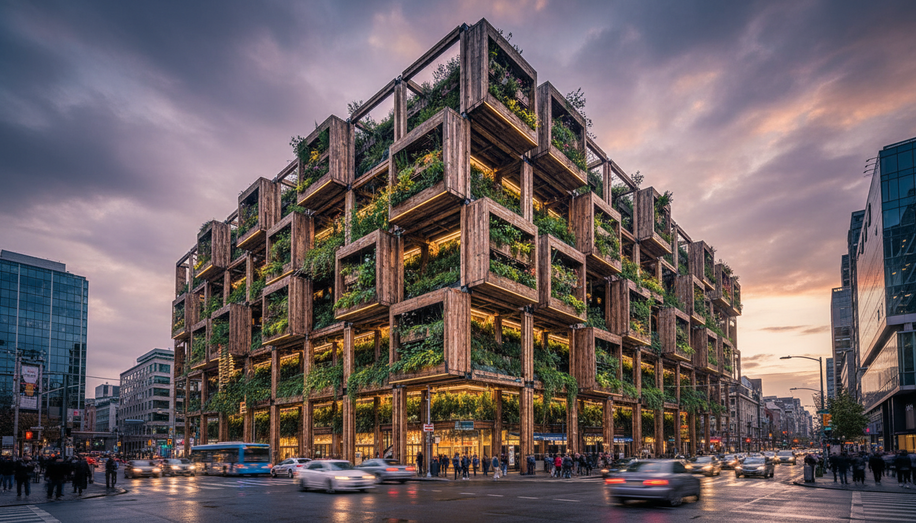

In the sprawling urban landscapes where out-of-home (OOH) advertising commands attention, a quiet revolution is underway. Companies are weaving sustainability into the very fabric of their operations, moving far beyond the low-hanging fruit of solar-powered screens to embrace comprehensive eco-friendly practices that slash waste, repurpose materials, and rethink infrastructure from the ground up. This shift, accelerating into 2026, responds to mounting regulatory pressures, consumer demands, and the stark reality of landfills choked with discarded vinyl banners.
Traditional OOH relied on non-recyclable vinyl and paper, materials that lingered in environments long after campaigns ended, contributing to land pollution and high energy demands in production. Now, forward-thinking operators are pivoting to biodegradable fabrics, recycled plastics, and responsibly sourced alternatives like recycled aluminum or wood, which decompose naturally or enter recycling streams with minimal fuss. In regions like India, states such as Kerala have already banned non-recyclable vinyl, setting a precedent that’s rippling nationwide and forcing brands to innovate or face obsolescence. Water-based inks replace harsh chemicals in printing, curbing air pollution while fabric billboards enable reuse, offsetting higher upfront costs with long-term savings and enhanced brand appeal. These material swaps not only reduce the environmental toll but also align with evolving standards in Europe and U.S. metros, where recycled content and energy-efficient LEDs are becoming table stakes.
Waste reduction extends into operational logistics, where audits reveal hidden inefficiencies in installation, maintenance, and takedown. OOH firms are adopting modular designs that allow partial updates without full replacements, minimizing material discard. Digital billboards further cut print waste by enabling targeted, changeable messaging, while smart scheduling tools dim lights during off-hours or adjust based on darkness and location, slashing energy use by up to 50% in some cases. Companies like those leveraging Outdoorlink’s SmartLink controllers exemplify this: remote management and real-time monitoring optimize performance across networks, extending equipment life and curbing unnecessary power draw. Hybrid wind-solar setups on coastal highways in sunny markets like India power these innovations, dropping emissions near zero and trimming electricity bills significantly.
Yet sustainability in OOH demands more than tech upgrades; it requires reimagining infrastructure to integrate with nature. Living billboards—green walls of plants, moss, or flowers—double as ads while absorbing CO2, purifying air, and attracting pollinators in public spaces. These nature-based designs turn static displays into dynamic ecosystems, with modular elements facilitating easy refreshes and even real-time water purification features for community benefit. Beyond aesthetics, they foster biodiversity in concrete jungles. Operators are also prioritizing vendor partnerships with green certifications, training staff on low-waste installation, and establishing benchmarks for resource diversion, ensuring every campaign lifecycle—from planning to decommissioning—prioritizes the planet.
Transparency and accountability form the backbone of this green grid. No operation achieves zero impact overnight, so carbon offsetting through tree planting or solar funding matches residual emissions, verified by online calculators and ISO 14001 standards. Printing offset stats directly on billboards builds trust, particularly with Gen Z audiences scrutinizing claims in real time via apps. Annual reports shared publicly transform OOH into a storytelling medium for sustainability, boosting engagement and loyalty while shielding against greenwashing regulations looming in 2026, including PFAS bans and GHG reporting mandates. In the U.S. and Europe, municipalities reward compliant networks with incentives, while cost savings from efficiency—from lighting management to material reuse—future-proof businesses against rising energy prices.
Challenges persist: initial investments in solar panels or smart systems can strain budgets, and harsh weather tests material durability across climates. Integration with legacy infrastructure demands careful audits to identify high-impact changes first, such as prioritizing solar on high-visibility highways. Yet successes abound. Networks reporting via platforms like Outdoorlink’s real-time analytics have achieved measurable uptime gains and emission cuts, proving sustainability enhances—not hinders—performance. As 2026 unfolds, OOH operators blending these practices with digital-green hybrids position themselves as leaders, drawing eco-conscious advertisers and communities alike.
This green grid isn’t mere compliance; it’s a strategic imperative reshaping OOH’s footprint. By auditing campaigns, scaling renewables, and embedding nature into designs, companies minimize waste across operations while amplifying impact. The result? Billboards that don’t just capture eyes but steward the environment, proving that eye-catching advertising can coexist with a lighter planetary load.