

The Gamification of OOH Advertising: Engaging Consumers Through Play
Meta description: Brands transform outdoor ads into interactive experiences using gamification, boosting engagement and creating memorable consumer interactions.
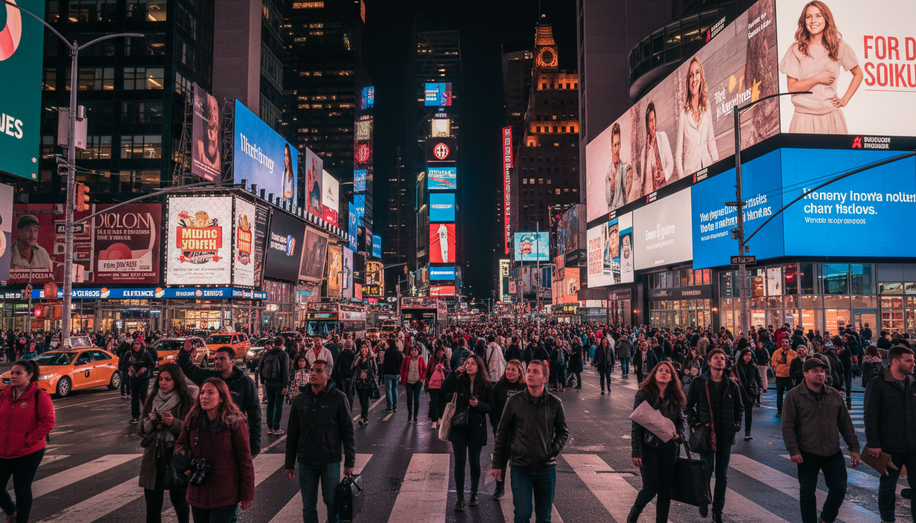
Out-of-home advertising is undergoing a fundamental transformation. Rather than passively displaying messages to pedestrians, leading brands are turning sidewalks, transit hubs, and public spaces into interactive playgrounds where consumers actively participate in branded experiences. This shift toward gamification in OOH advertising represents one of the most compelling developments in the industry, fundamentally changing how brands capture attention and drive measurable results.
The appeal of gamification lies in its ability to convert passive viewers into active participants. Traditional outdoor advertising treats public spaces as static billboards, but today’s audiences demand interaction, surprise, and control. By incorporating games, puzzles, and challenges into OOH campaigns, brands create memorable encounters that leave lasting impressions. Gamification taps into our natural desire for achievement, curiosity, and reward, transforming the mundane act of walking down a street into an opportunity for engagement.
Several brands have pioneered innovative approaches to gamified OOH campaigns. Nike’s “Reactland” sidewalk activation invited passersby to participate in an AR-powered running game using their smartphones, allowing players to race a digital avatar down branded sidewalks while testing new shoes. The campaign generated substantial social engagement and strong product trial lift, demonstrating how play can drive both brand awareness and consumer action. Similarly, Netflix’s promotion for “Stranger Things” placed QR-coded sidewalk markers across major U.S. cities, launching an AR clue or character animation as part of a gamified scavenger hunt that directed users to physical prize locations. The strategy proved wildly successful, with fans sharing their experiences widely across social networks.
The mechanics of gamified OOH take many forms. Step challenges encourage pedestrians to follow paths of sidewalk decals to win discounts, while trivia trails unlock brand messages at each marker using smartphone scans or QR codes. Spin-the-wheel spots transform sidewalk decals into QR-triggered prize spinners, allowing users to instantly win rewards. More sophisticated campaigns leverage augmented reality, overlaying 3D characters, virtual try-ons, and immersive product demos onto physical placements. A fitness brand might launch an AR workout tutorial from a sidewalk spot outside a gym, while clothing brands deploy sidewalk mirrors with AR filters for virtual try-ons.
The Dallas Cowboys demonstrated the appeal of gamified OOH through interactive “Pose with the Pros” kiosks installed in ATT Stadium concourses. Fans selected up to five favorite players, and AR technology overlaid their images around the individual, creating shareable photos for social networks. In the Netherlands, PLUS supermarkets transformed the town into a real game board, allowing residents to play Monopoly and make offers about streets and buildings as an outdoor advertising activation.
Beyond entertainment value, gamified OOH campaigns deliver quantifiable business results. ALDI Danmark’s “Spot the Difference” summer game, advertised through owned marketing channels, attracted nearly 15,000 visitors in just ten days and achieved a remarkable 74.2% conversion rate, with players spending an average of one minute and thirty seconds engaging with the game. Mondelēz International’s gamified campaign for Oreo in London encouraged customers to download a mobile app and play minigames in bus shelters, building brand loyalty while offering grand prize incentives.
The effectiveness of gamified OOH stems from multiple factors. These campaigns generate deeper engagement as users spend more time interacting with content. Movement, play, and touch boost memory, leading to better brand recall than static advertisements. Crucially, every interaction is trackable—QR scans, AR sessions, and social shares provide measurable metrics that traditional outdoor advertising cannot offer. Additionally, because these campaigns exist in public spaces, they generate organic visibility among non-participants, amplifying brand reach far beyond direct interactions.
For brands considering gamified OOH campaigns, success requires strategic placement in high-foot-traffic zones near schools, cafes, gyms, or parks where target audiences congregate daily. Promotion through local influencers and social teasers encourages discovery, while dynamic QR codes and custom AR filters enable comprehensive tracking of engagement and conversions.
As consumer expectations continue to evolve, the integration of gamification into out-of-home advertising represents not merely a trend but a fundamental reimagining of how brands communicate in public spaces. By transforming passive exposure into active participation, gamified OOH campaigns create the kind of memorable, shareable experiences that modern audiences seek and reward with their attention, engagement, and ultimately, their loyalty.