
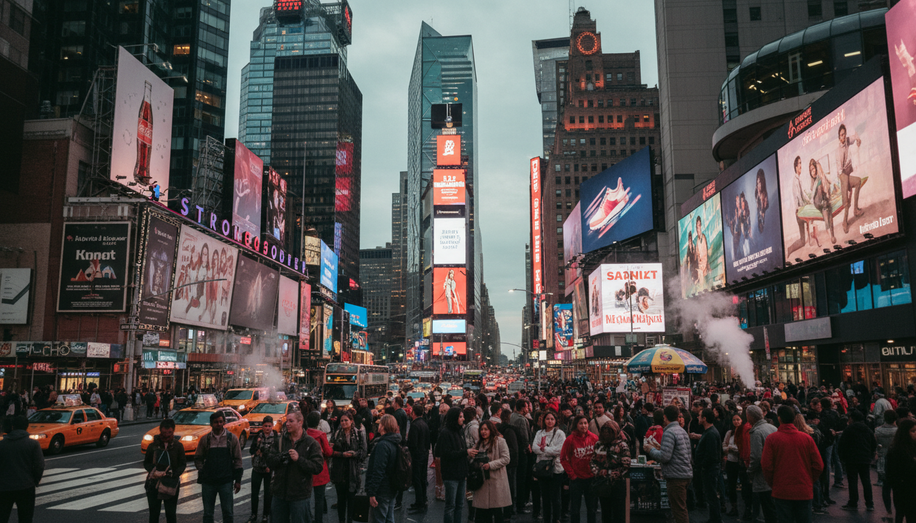

In the dim glow of early 20th-century roadsides, billboards stood as silent sentinels, hand-painted with bold proclamations that captivated passing motorists. These static giants, evolving from rudimentary posters to lithographically printed spectacles, marked the humble beginnings of out-of-home advertising. Yet, as technology surged forward, they transformed into pulsating canvases of real-time persuasion, adapting messages to the whims of weather, crowds, and consumer data.
The journey from wood and paper to pixels began tentatively in the late 1990s, when the first digital billboards flickered to life. These pioneers, often low-resolution with pixel pitches as coarse as 34 millimeters, allowed advertisers to swap campaigns instantly without the labor of repainting or reprinting vinyl wraps. By 2001, Lamar Advertising unveiled a landmark installation, heralding an era where screens could cycle through multiple ads like a visual playlist, boosting revenue for operators while dazzling urban skylines from Times Square to Tokyo. No longer confined to single, unchanging images, these displays introduced motion—fading transitions, animated graphics, and time-sensitive promotions that turned passive glances into lingering stares.
This digital leap addressed a core limitation of static billboards: their inability to evolve with the moment. Early adopters experimented with partial digitization to cut costs, but rapid advancements in LED technology soon delivered high-definition clarity visible even in harsh sunlight. Energy-efficient LEDs, paired with solar power in some installations, not only sharpened visuals but also nodded to sustainability amid growing environmental scrutiny. Suddenly, a billboard could showcase a vibrant Coca-Cola cascade in 3D or shift from sunny beachwear to rain gear based on local forecasts, making ads feel eerily prescient.
The 2010s ignited a data-driven revolution, propelled by programmatic buying platforms that automated ad purchases in real time. Advertisers could target demographics by location, time of day, or even traffic patterns, bidding for inventory like digital traders on a stock floor. Integration with mobile devices amplified this precision; passersby scanning a QR code might unlock augmented reality overlays, blending the physical billboard with virtual experiences. Facial recognition, though controversial, emerged on select screens, tweaking content for a viewer’s apparent age or expression—promoting family deals to parents or nightlife to revelers.
Mobile billboards accelerated this dynamism, tracing roots to horse-drawn carriages but exploding with digital trucks in the 21st century. These roving LED behemoths deliver geo-fenced campaigns, circling events or high-traffic zones with tailored urgency, unmoored from fixed locations. Challenges like high costs and public skepticism faded as affordability grew, paving the way for interactive spectacles: a truck displaying live sports scores or weather-responsive pleas for hot coffee during chills.
Today, artificial intelligence and machine learning propel billboards into hyper-personalized realms. Screens analyze anonymized crowd data to prioritize messages, fostering what experts call “digital precision” in out-of-home advertising. Programmatic DOOH ecosystems now encompass kiosks, transit panels, and immersive urban networks, where ads adapt not just reactively but predictively—anticipating rush-hour fatigue with energizing visuals or evening commutes with dinner specials. Metrics from digital out-of-home analytics reveal soaring effectiveness: dynamic content boosts recall by up to 40% over static peers, as viewers engage longer with evolving narratives.
Yet this evolution isn’t without tension. Critics decry energy demands and privacy intrusions from surveillance tech, prompting innovations like low-power displays and opt-in interactions. Regulators in cities worldwide balance spectacle against light pollution, while advertisers grapple with content overload in a fragmented attention economy.
Looking ahead, the billboard’s next metamorphosis promises even greater seamlessness. Augmented and virtual reality will invite audiences to “step into” ads via smartphones, while AI-orchestrated networks synchronize citywide campaigns in symphony. Weather-responsive, data-fueled messaging will become table stakes, ensuring relevance in an era where irrelevance equals invisibility. From Burma-Shave’s roadside rhymes to neural-networked spectacles, billboards endure as mirrors of technological ambition, proving that in advertising, stillness is obsolescence.
This dynamic renaissance underscores a profound truth: billboards no longer shout into the void. They listen, adapt, and converse, turning fleeting exposures into lasting connections that redefine out-of-home impact.