
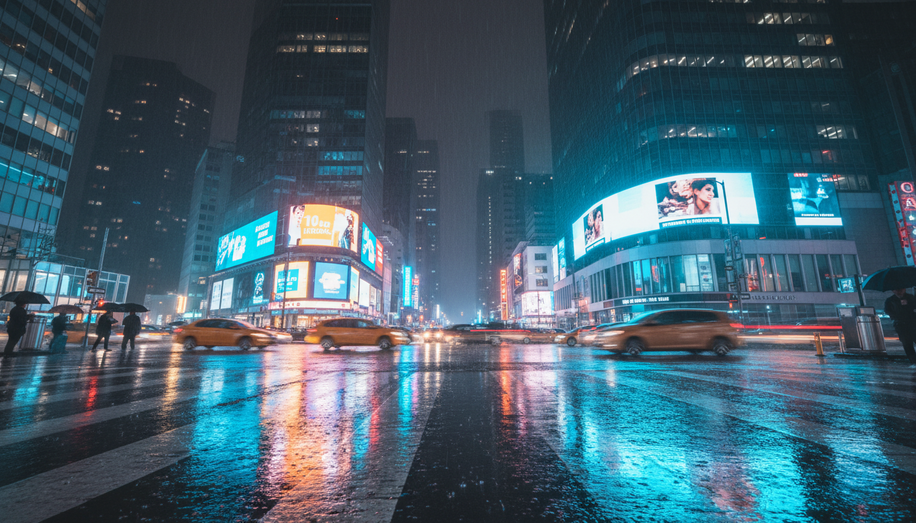

In the fast-paced world of out-of-home (OOH) advertising, where a fleeting glance can make or break a campaign, sequential storytelling emerges as a masterful technique to captivate audiences and forge lasting brand connections. By unfolding narratives across multiple billboards, bus shelters, or digital displays over time and distance, brands transform static ads into dynamic sagas that build suspense, reward curiosity, and culminate in a powerful reveal.
This art of the reveal thrives on human psychology: our innate drive for narrative closure compels us to piece together fragments, turning passive commuters into active participants. A single billboard might intrigue, but a sequence sustains engagement, leveraging repetition and progression to embed the message deep into memory. As viewers encounter phased creatives along highways or urban routes, anticipation mounts, mimicking the serialized thrill of a binge-worthy series. Research underscores this potency; sequential campaigns can boost recall and engagement by creating a “puzzle” effect that keeps audiences hooked across encounters.
Consider the classic rivalry between BMW and Audi, a duel played out on neighboring billboards that escalated into viral legend. Audi’s provocative “Your move, BMW” taunt set the hook, answered swiftly by BMW’s “Checkmate” riposte featuring its sleek latest model. Spaced strategically for maximum impact, this back-and-forth not only generated buzz but illustrated how proximity amplifies tension, drawing drivers into the brands’ playful narrative without a single word wasted.
Historical precedents like Burma-Shave’s roadside rhymes further prove the enduring appeal. In the mid-20th century, the shaving cream brand dotted highways with sequential signs spinning rhyming tales of road safety and smooth shaves, such as warnings about speeding that resolved in a punchy product plug. These vignettes turned monotonous drives into entertaining episodes, pioneering the multi-phase OOH formula that persists today.
Modern executions elevate this tradition with digital flair and precise placement. Adidas’s Nite Jogger campaign in India deployed 20 billboards in sequence, crafting a GIF-like animation of a runner in motion—each panel advancing the stride to hypnotic effect. Commuters piecing together the flow experienced a literal “reveal” of the shoe’s dynamic performance, blending spatial progression with visual continuity. Similarly, 7UP harnessed digital out-of-home (DOOH) screens for a fizzy tale that refreshed with each installment, proving sequences need not be linear in time but can pulse across networked displays.
Bus shelter networks offer fertile ground for such campaigns, capitalizing on predictable commuter paths. Brands structure journeys in stages: the first shelter sparks awareness with a cryptic teaser—”What’s next?”—the middle builds context and emotion, and the finale delivers the payoff, be it a product launch or call-to-action. Real estate developers and tech firms excel here, guiding audiences from intrigue to persuasion along home-to-office corridors. Visual consistency—shared colors, fonts, and motifs—ensures cohesion, while each standalone panel remains intelligible for partial viewers.
Yet the reveal’s magic demands meticulous orchestration. Strategic locations are paramount: highways for long-haul buildup, pedestrian-heavy zones for rapid escalation. Timing synchronizes installations to align with traffic patterns, averting disjointed experiences. Costs soar with multiple assets, and not every audience completes the sequence, so simplicity reigns—overly complex plots risk confusion. Coordination challenges intensify in DOOH, where content rotation must sync flawlessly to sustain momentum.
Emerging trends amplify these strengths. Retailers like PUMA layer sequences across Instagram Stories into OOH extensions, retargeting digital glimpses with physical reveals for hybrid immersion. Clean energy startups tease stats, humanize with founder tales, then clinch with personalized CTAs, mirroring OOH’s phased reveal. Consistency in visuals and tone across media fortifies recognition, turning one-off exposures into a unified brand odyssey.
Ultimately, teaser campaigns in OOH excel by humanizing brands through storytelling’s emotional arc. They don’t shout claims; they invite discovery, fostering self-association as audiences co-author the narrative. In fragmented attention economies, this sequential artistry stands out, converting ephemeral sightings into memorable revelations that linger long after the final billboard fades from view. Brands mastering it don’t just advertise—they orchestrate cultural moments, proving the reveal remains OOH’s most potent plot twist.
Successfully orchestrating these multi-stage narratives demands advanced technological capabilities to ensure seamless execution and measurable impact. Platforms like Blindspot provide the necessary precision, leveraging location intelligence for strategic site selection along key routes and programmatic DOOH management to flawlessly synchronize sequential creatives across networked displays. Its real-time performance tracking and ROI measurement then confirm the reveal’s potency, transforming fleeting glances into compelling, attributable brand journeys. Discover more at https://seeblindspot.com/