

The outdoor advertising industry is undergoing a significant transformation as brands and agencies embrace sustainable materials and practices to address growing environmental concerns. This shift represents not merely a response to regulatory pressure, but a fundamental reimagining of how the medium operates—from the materials used to create displays through to the energy systems that power them.
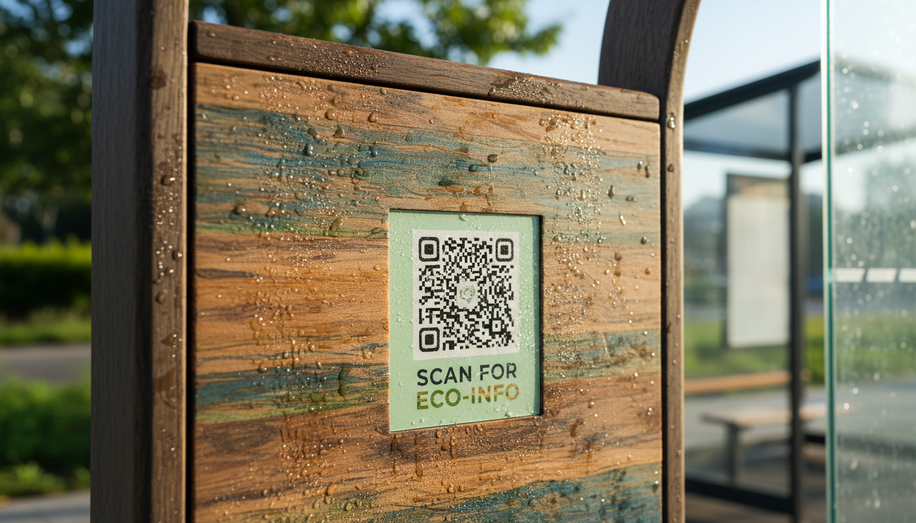
For decades, outdoor advertising relied heavily on traditional vinyl and PVC-based materials that persist in the environment for centuries. Today, this dependency is shifting decisively toward alternatives that maintain visual impact while dramatically reducing environmental footprint. Brands are increasingly replacing traditional PVC banners with non-PVC options including recyclable polyethylene films, bamboo, and biodegradable paper. These materials offer comparable durability and aesthetic appeal while being substantially easier to recycle or naturally decompose. The transition extends to printing processes as well, where companies are adopting latex and water-based UV inks that drastically reduce harmful compound emissions compared to solvent-based alternatives. This shift ensures that entire billboards and banners can be recycled more effectively, closing the waste loop rather than perpetuating it.
Beyond material selection, the industry is harnessing technology to reduce operational environmental impact. Digital out-of-home (DOOH) formats powered by solar panels represent one of the most innovative developments in sustainable outdoor advertising. Companies like JCDecaux have begun powering digital screens with renewable energy, substantially cutting operational emissions while maintaining visibility. When combined with LED technology and smart dimming systems, digital displays consume far less power than traditional lighting while preserving advertiser effectiveness. This convergence of renewable energy sources and efficient display technology transforms digital billboards from energy-intensive infrastructure into genuinely sustainable advertising platforms.
The most compelling innovations, however, actively restore rather than merely reduce harm. Living billboards featuring moss or vertical gardens are increasingly appearing in urban centers worldwide. These displays absorb CO₂, filter particulate matter from the air, and create visually striking elements that capture consumer attention while delivering tangible environmental benefits. Such approaches demonstrate that sustainability and creative impact need not be opposing forces—instead, they can reinforce each other.
Industry-wide coordination is accelerating this transition. GroupM and the Indian Outdoor Advertising Association have launched a dedicated task force aiming to ensure that 50 percent of all out-of-home advertising sites use recyclable materials by 2027. This initiative includes promoting sustainable materials like polyethylene fabric, establishing renewable energy implementation roadmaps, and introducing national take-back programs to keep billboard waste from landfills. Pioneering brands including ICICI, Blinkit, and Septo are already piloting these solutions, demonstrating commercial viability alongside environmental responsibility.
For advertisers seeking to contribute to this sustainability movement, several strategic approaches prove effective. Green messaging campaigns that align brands with eco-conscious consumer values strengthen both environmental and commercial objectives. Partnerships with local businesses on shared eco-friendly advertising boards reduce resource consumption while building community connections. Additionally, working exclusively with out-of-home providers committed to sustainable practices ensures that advertiser commitment translates into measurable environmental impact.
The transformation of outdoor advertising reflects a broader industry recognition that the medium’s future depends on environmental stewardship. By systematically replacing traditional materials with sustainable alternatives, integrating renewable energy systems, and embracing innovations like living billboards, the out-of-home sector is proving that large-scale visual communication need not come at the planet’s expense. As consumer expectations for corporate environmental responsibility continue intensifying, brands that pioneer these sustainable practices position themselves not just as responsible corporate citizens, but as genuine innovators within the advertising landscape itself.