
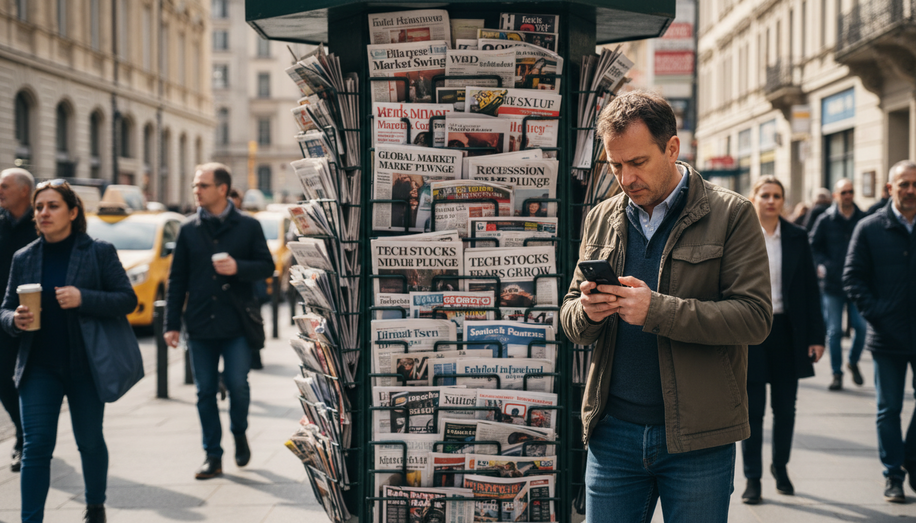

Premium publishers are diving headfirst into partnerships with prediction markets like Kalshi and Polymarket, platforms that let users wager on everything from Oscar winners to geopolitical flashpoints, all under the guise of data-driven insights. Publishers such as Dow Jones, CNN, CNBC, and Yahoo Finance have signed on, touting the appeal of rich user data from these betting interfaces, even as the technology blurs the line between informed forecasting and outright gambling. For out-of-home advertisers eyeing media tie-ups, these deals signal a lucrative new revenue stream—but one fraught with regulatory pitfalls, addiction risks, and questions about journalistic integrity.
The pitch is seductive. Prediction markets function as crowd-sourced oracles, aggregating bets into probabilistic forecasts that often outperform polls or experts. Kalshi and Polymarket, the duopoly dominating the space, have exploded in popularity by expanding gambling’s frontier beyond sports into “event contracts” on elections, awards, and even hypothetical military actions. Publishers see gold in the data: real-time sentiment on news events, user engagement metrics, and behavioral patterns that could supercharge targeted advertising. Imagine OOH campaigns dynamically adjusting based on market odds for the next big election or Super Bowl upset—billboards flashing live probabilities to drive foot traffic or app downloads. Financial outlets, already cozy with betting giants like DraftKings and FanDuel, view these platforms as the next evolution, legitimizing their ads through high-profile integrations.
Yet the “what could go wrong” question looms large. Legality tops the list. These markets operate in a gray zone, with platforms like Polymarket facing U.S. scrutiny for offshore crypto-based betting, while Kalshi pushes CFTC-approved contracts in limited jurisdictions. Publishers partnering up risk regulatory backlash if markets are reclassified as unlicensed gambling. Incumbents like FanDuel and DraftKings have preemptively restricted prediction offerings to states without legal sportsbooks, highlighting how distribution hinges on “regulatory perimeters” rather than pure demand. As the 2026 FIFA World Cup approaches—hosted across North America—platforms anticipate a surge, with Robinhood already reporting $300 million in annual revenue from event markets, its fastest-growing line. A single enforcement action could tank partnerships, leaving publishers holding the bag for tainted ad inventory.
Data privacy emerges as another flashpoint. Publishers claim the hook is analytics, but users wagering personal funds generate sensitive profiles: betting habits, risk tolerance, political leanings. In an era of tightening GDPR and CCPA rules, mishandling this could invite lawsuits or fines. OOH players integrating such data for hyper-local campaigns—say, transit ads tailored to local election odds—must navigate consent and opt-out mandates, all while platforms like Opinion Labs experiment with zero-knowledge proofs to verify settlements without exposing user info. Trust is fragile here; thin liquidity or disputed payouts could erode confidence, turning valuable data streams into liabilities.
Addiction risks amplify the stakes. Prediction markets “vastly expand the scope of gambling,” transforming passive news consumers into active bettors on daily headlines. What starts as a fun Oscar pool escalates to wagers on foreign policy, potentially fueling problem gambling at scale. Sportsbooks like DraftKings seeded their platforms with millions of users via existing KYC rails, instantly injecting liquidity—but also normalizing betting within media ecosystems. Publishers advertising these features risk accusations of predatory promotion, especially as super-apps from PayPal or Amazon eye integrations blending news, investing, and wagers. For OOH, this means campaigns that glamorize odds could draw fire from advocacy groups, mirroring backlash against sports betting billboards.
Journalistic ethics add a layer of unease. When CNBC runs Polymarket odds alongside market coverage, does it enhance reporting or compromise it? Prediction markets thrive on liquidity and settlement reliability, yet disputes over outcomes—like ambiguous event definitions—could undermine credibility. Publishers positioning these as “data tools” sidestep the gambling label, but advertisers must weigh halo effects against potential boycotts from audiences wary of media monetizing misinformation through bets.
The 2026 outlook underscores consolidation risks. With Kalshi’s valuation doubling to $11 billion and mainstream players like Robinhood scaling up, standalone markets seek media distribution to build liquidity from scratch. Those passing the World Cup “stress test”—handling peak loads without scandals—will dominate, while others fade. Publishers betting big now could lock in advantages, but early movers face the brunt of regulatory evolution. Sports prediction markets are already “booming beyond politics,” per industry watchers, setting the stage for broader dominance.
For OOH advertisers, the opportunity is tantalizing: immersive, real-time campaigns leveraging market probabilities to captivate urban audiences. Yet the pitfalls—legal volatility, data breaches, ethical quagmires—demand caution. Partnerships promising data riches today could unravel tomorrow, leaving brands exposed in a landscape where regulatory moats trump innovation. As prediction markets embed deeper into media, publishers and their ad partners must ask not just what’s possible, but what’s prudent. The house always wins, but in this game, the real wager is on survival.
In this high-stakes environment where regulatory sands shift and public trust is paramount, OOH advertisers need robust tools to navigate risk responsibly. Blindspot’s programmatic DOOH campaign management provides the agility for dynamic content delivery, while its real-time performance tracking and audience measurement ensure campaigns remain compliant and effective, allowing brands to leverage OOH’s potential while mitigating significant legal and reputational exposures. https://seeblindspot.com/