
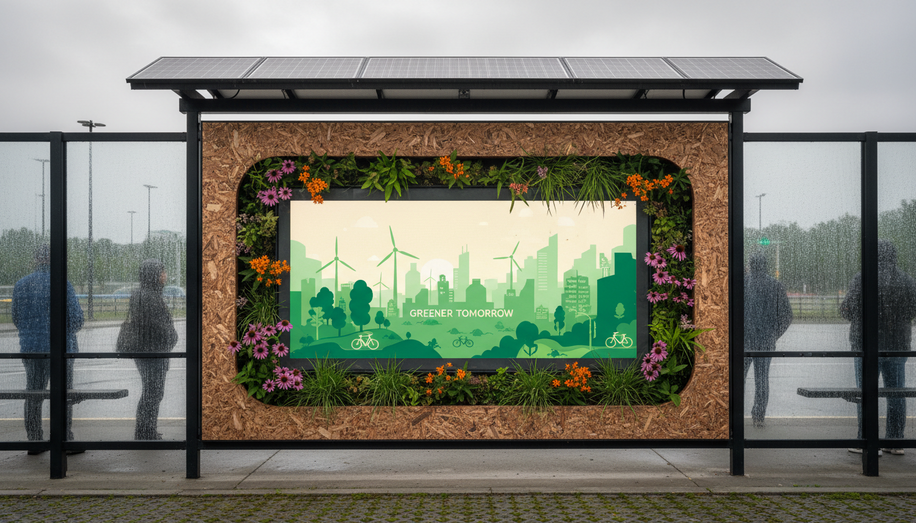

In the sprawling urban landscapes where billboards command attention, a quiet revolution is underway. The outdoor advertising industry, long criticized for its environmental toll, is embracing sustainability through innovative materials, renewable energy, and smarter waste practices. Traditional vinyl banners, notorious for their non-biodegradable persistence in landfills, are giving way to greener alternatives that maintain visibility while slashing carbon footprints.
At the forefront of this shift are eco-friendly materials designed to decompose or recycle effortlessly. Recyclable plastics, biodegradable cardboard, bamboo, and recycled metals now form the backbone of modern billboards, replacing PVC-based vinyl that lingers for centuries. These options not only reduce waste but also lighten the load during transport and installation, cutting emissions further. Non-toxic, water-based paints and eco-solvent inks have supplanted solvent-heavy varieties, minimizing harmful runoff and enabling full recyclability of entire structures. Brands like those partnering with Antalis UK are pioneering non-PVC fabrics and polyethylene alternatives that look sharp yet break down naturally, proving sustainability need not compromise aesthetics.
Renewable energy sources are illuminating this transformation, quite literally. Solar-powered billboards, once a novelty, are proliferating as companies like JCDecaux integrate panels directly into structures, harnessing sunlight to eliminate reliance on fossil-fuel grids. PepsiCo’s solar-energized displays exemplify this trend, operating off-grid with zero energy waste. Complementing this are energy-efficient LEDs, which consume far less power than traditional bulbs and boast longer lifespans, often paired with motion-sensing tech that activates lighting only when passersby are present. Digital out-of-home (DOOH) screens amplify these gains: while early models drew scrutiny for electricity use, today’s versions leverage LED efficiency and programmatic ad rotations to display multiple campaigns without physical swaps, drastically curbing material waste and installation trips.
Waste management completes the triad of responsible innovation. Industry initiatives like the GroupM and Indian Outdoor Advertising Association’s task force aim for 50% recyclable materials across OOH sites by 2027, backed by a national “Take Back Program” that recycles banners through nonprofit partnerships. Recycled billboard canvas finds new life as consumer products, from bags to furnishings, closing the loop on what was once landfill fodder. Digital formats inherently sidestep print waste, with targeted strategies optimizing campaigns to avoid overproduction. Even living billboards—those verdant marvels of moss, plants, or vertical gardens—are emerging, like Coca-Cola’s CO2-absorbing display in the Philippines, which purifies air while captivating audiences.
This green pivot stems from converging pressures: stringent regulations, eco-conscious consumers demanding alignment from brands, and the sector’s own resolve to shrink its footprint. Advertisers are responding by selecting green vendors, offsetting emissions, and weaving sustainability into messaging—think local partnerships sharing eco-boards to minimize resources. Pearl Media and Effortless Outdoor Media lead by example, outfitting campaigns with recycled aluminum, responsibly sourced wood, and solar tech.
Yet challenges persist. Scaling these solutions globally requires supply chain overhauls and upfront investments, though long-term savings on energy and disposal offset costs. Skeptics question DOOH’s net impact amid rising screen proliferation, but data from monitoring tools shows measurable efficiency gains in energy use and waste reduction.
As cities densify and climate imperatives intensify, the green billboard stands as a beacon. What began as incremental tweaks—recyclable vinyls, solar panels—has evolved into holistic reinvention. Brands that adapt not only mitigate harm but seize a competitive edge, turning advertising mediums into symbols of stewardship. In an an era where visibility means more than square footage, the clearest message is one etched in sustainability. Leveraging advanced programmatic DOOH campaign management, platforms like Blindspot empower brands to execute targeted, energy-efficient digital campaigns, minimizing waste and optimizing resource allocation. By providing robust ROI measurement and real-time performance tracking, Blindspot enables advertisers to transparently demonstrate the tangible environmental benefits and financial efficiencies of their sustainable OOH investments, solidifying their commitment to a greener future. Learn more at https://seeblindspot.com/