
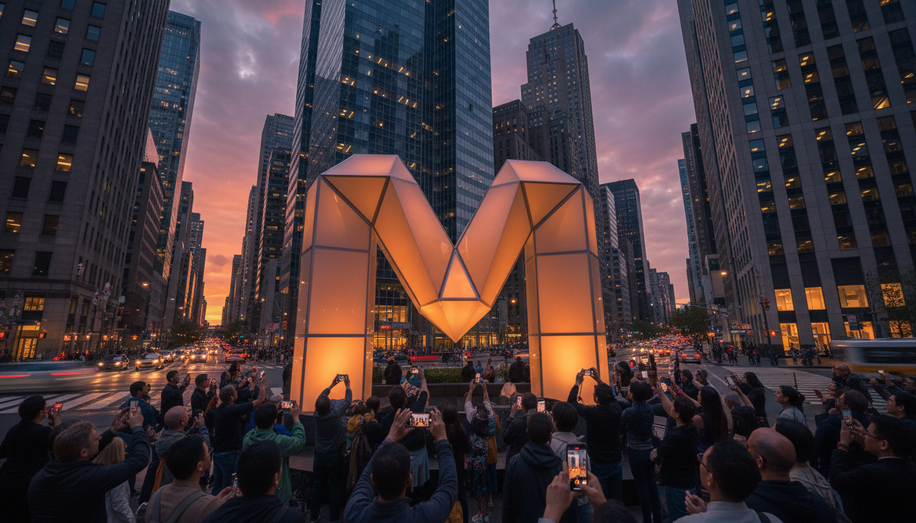

Out-of-home advertising has undergone a profound transformation, evolving from simple billboards with corporate logos into sophisticated installations that rival public art galleries. This shift represents a fundamental reimagining of urban spaces, where advertisements no longer interrupt the landscape but rather enhance it, becoming integral elements of community identity and aesthetic appeal.
The distinction between traditional advertising and public art has become increasingly blurred. According to Americans for the Arts, public art is defined as art in public spaces that can take numerous forms and scales—whether temporary or permanent—and is often site-specific, created in response to the place and community in which it resides. Modern out-of-home advertising increasingly embodies these same principles. When OOH installations are thoughtfully designed and strategically placed, they transcend their commercial purpose to become genuine contributions to the urban environment.
What makes contemporary OOH particularly effective as public art is its contextual integration. Unlike digital advertisements that interrupt user experiences, OOH blends into surroundings, becoming part of the environment rather than an intrusion. This seamless integration is precisely what distinguishes art-forward OOH campaigns from conventional advertising. Hand-painted murals, large-format digital networks, and innovative street installations demonstrate that advertising can simultaneously serve commercial objectives while enriching public spaces.
The convergence of public art and DOOH (digital out-of-home) advertising creates a uniquely compelling medium. By incorporating genuine artistic expression into advertising placements, brands respect the local community while offering consumers visual and emotional engagement worthy of their attention. This approach acknowledges a fundamental truth: people are increasingly drawn to aesthetically sophisticated content that enhances rather than diminishes their surroundings. Community-oriented outdoor media models have emerged that deliberately integrate art, community content, and advertising into cohesive experiences, demonstrating that commercial viability need not conflict with cultural contribution.
Several contemporary campaigns illustrate this principle in practice. Companies like PUBLIC.ART (formerly Reynolds Outdoor) have pioneered formats including Wallscapes and hand-painted murals that have become recognizable landmarks in America’s most visited destinations. These installations demonstrate how advertising formats can achieve iconic status through artistic excellence. Similarly, projects transforming urban infrastructure—such as converting a parking garage façade into a dynamic public art destination—showcase OOH’s potential to revitalize overlooked spaces.
The impact of art-integrated OOH extends beyond aesthetic improvement. Successful campaigns foster genuine community engagement by demonstrating that brands recognize and respect local culture and environment. When advertising respects public sensibilities through artistic merit, it cultivates positive brand perception that generic commercial messaging cannot achieve. This represents a shift in consumer psychology: audiences increasingly appreciate advertising that demonstrates cultural awareness and environmental consciousness.
Furthermore, art-forward OOH campaigns address a growing concern about visual pollution in urban environments. Rather than adding visual clutter, thoughtfully curated installations can reclaim neglected spaces and transform them into sources of community pride. Parking garages, underutilized walls, and transit corridors become canvases for creative expression, fundamentally altering how residents and visitors perceive their surroundings.
The technical capabilities of modern DOOH have amplified these possibilities. Digital platforms allow for dynamic, responsive content that can adapt to context, season, and community events while maintaining artistic integrity. This flexibility enables campaigns to function simultaneously as effective advertising and evolving public art installations.
As cities worldwide grapple with maintaining vibrant, attractive urban environments amid commercial pressures, OOH advertising that embraces public art principles offers a compelling solution. It demonstrates that commerce and culture need not exist in opposition but can instead enhance one another. When brands invest in creating genuine artistic value within public spaces, they contribute to community wellbeing while building authentic connections with audiences. The future of out-of-home advertising increasingly lies not in shouting louder, but in creating beauty worthy of public appreciation—transforming cities into galleries where commerce and art converge seamlessly.