
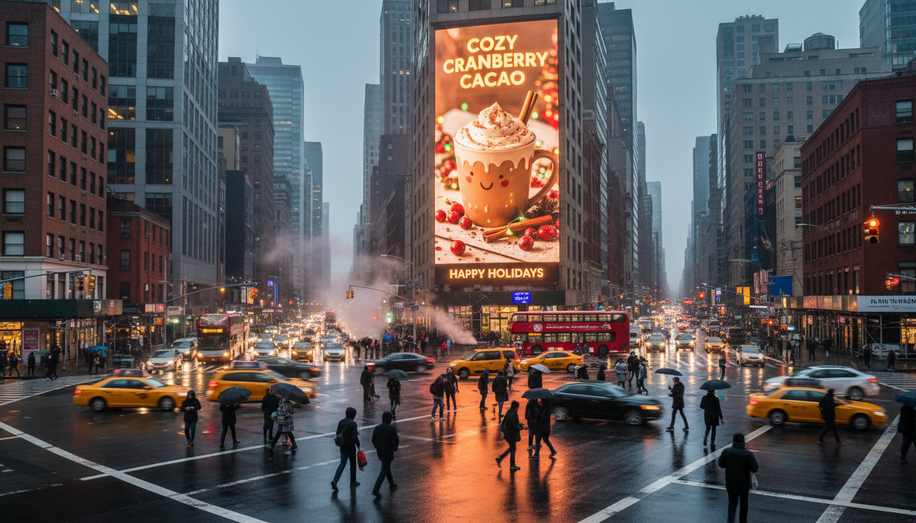

Out-of-home advertising has emerged as a powerful tool for brands seeking to maximize impact during seasonal shifts and calendar-driven shopping moments. Unlike digital channels that can be scrolled past or skipped, outdoor advertising delivers bold, consistent messaging that captures consumers precisely when they’re in the mindset to act on seasonal needs and desires. The key to success lies in understanding consumer behavior patterns tied to specific times of year and positioning OOH strategically within those windows.
Seasonal marketing fundamentally works because it aligns brand messaging with what consumers are already thinking about, celebrating, or preparing for. As summer fades and fall arrives, household routines shift dramatically—school schedules reshape daily commutes, earlier sunsets influence shopping patterns, and families begin preparing for holidays. For marketers, this cyclical change presents a natural window to meet audiences at critical decision-making moments. Back-to-school campaigns, for instance, resonate powerfully because families are actively seeking solutions for new routines and organizational challenges. OOH placements along school routes and transit corridors during morning commutes reach parents and students when seasonal urgency is highest.
The strategic advantage of OOH in seasonal campaigns extends beyond timing to channel integration and geographic precision. Autumn brings heavier commuter traffic with more predictable patterns than summer travel, making this an ideal period for digital billboards, transit shelters, and place-based screens to reach people on the move. Dynamic creative capabilities allow marketers to update offers in real time based on weather conditions, time of day, or local events, ensuring messaging remains perpetually relevant. This adaptability transforms static advertising into responsive marketing that reflects the immediate environment and consumer mood.
Multiple seasonal moments throughout the year warrant distinct OOH strategies. Spring brings opportunities to promote home services, tax preparation, and garden supplies aligned with seasonal cleaning and renewal mindsets. Summer opens doors for Fourth of July promotions, vacation packages, and early back-to-school preview campaigns that get ahead of the buying curve. Fall campaigns can leverage back-to-school messaging, Halloween promotions, and Thanksgiving preparation themes, all reinforced through earth tones and cozy imagery that make outdoor placements feel timely and contextually appropriate. Holiday campaigns represent perhaps the most lucrative seasonal window, with consumers beginning gift planning and holiday preparation well before December, making early November an optimal launch point for exclusive deals and gift guides.
Effective seasonal OOH campaigns extend beyond traditional billboards to include street furniture advertising, LED billboard trucks, bus and train ads, and interactive displays. Street furniture placements like benches, kiosks, and digital displays positioned in high-density locations during peak shopping periods such as Black Friday and Cyber Monday provide added exposure precisely when consumer foot traffic and purchase intent peak. Research demonstrates that 73 percent of consumers view digital out-of-home ads favorably, with 76 percent taking action after seeing these messages, validating the format’s effectiveness during high-stakes shopping seasons.
Integration across channels amplifies seasonal OOH effectiveness. Coordinating email marketing, social media campaigns, and connected TV messaging to match the visual palette and messaging of outdoor creative reinforces brand recall and creates a cohesive consumer journey from screen to shelf. Geotargeting enables brands to retarget people who encounter billboards with complementary mobile messages, creating multiple touchpoints that build awareness and drive conversion. Dynamic retargeting during seasonal peaks ensures personalized messaging reaches interested consumers repeatedly, reducing the effort required to achieve conversion compared to audiences without prior engagement.
Planning represents the critical foundation for seasonal OOH success. Brands must start campaigns well in advance, understanding when consumers enter buying mindsets for specific calendar events—holiday campaigns typically require weeks of advance planning before key dates like Black Friday. This forward-thinking approach ensures creative is optimized, placements are secured, and supporting digital infrastructure is aligned before seasonal demand peaks.
As consumer behavior continues to shift in response to seasonal transitions, out-of-home advertising’s ability to deliver timely, consistent, and contextually relevant messaging positions it as indispensable for brands capitalizing on calendar-driven opportunities. By understanding specific seasonal moments and integrating OOH strategically within broader marketing ecosystems, brands transform natural consumer transitions into measurable growth and lasting loyalty.