
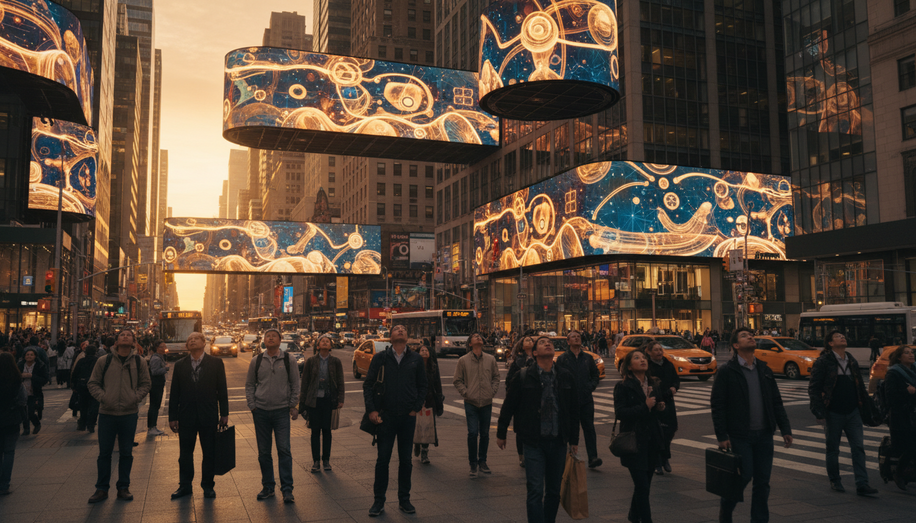

Out-of-home advertising has long served as a medium for reaching consumers in public spaces, but its potential extends far beyond individual placements. When executed strategically across multiple locations and over time, OOH campaigns can function as a powerful narrative tool, building compelling brand stories that deepen audience engagement and foster meaningful connections. This approach transforms billboards, transit ads, and street-level activations from static messages into chapters of a larger story that unfolds across the urban landscape.
The foundation of effective OOH storytelling lies in understanding location context and audience behavior. By strategically targeting areas with high foot traffic and populations aligned with the brand’s mission, advertisers can ensure their message reaches the right people at the right moment. When a brand thinks and acts quickly to leverage cultural moments in creative ways, outdoor advertising becomes part of the broader conversation happening in real time. This contextual awareness allows brands to craft narratives that resonate with specific audiences in specific places, making each placement feel intentional and relevant rather than generic.
Successful OOH storytelling often relies on emotional connection. Whether through humor, nostalgia, or inspiration, the most memorable outdoor campaigns tap into feelings that transcend typical product messaging. Nostalgia, in particular, proves powerful in this medium—tapping into well-known moments from popular culture creates immediate emotional resonance with diverse demographics, especially when repeated exposure across public transport and high-traffic spaces reinforces brand recall. A series of interconnected OOH placements can build on these emotional foundations, with each new location offering a different perspective or progression of the brand narrative.
The practice of human-centric storytelling strengthens OOH campaigns significantly. Brands that focus on real people—whether customers, employees, or community members—rather than product features create stories that mirror audience experiences and aspirations. REI’s #OptOutside campaign demonstrates this principle by encouraging people to prioritize outdoor experiences over consumption, resonating deeply with audiences who value adventure and nature connection. When OOH campaigns feature authentic stories of real people achieving milestones or embracing brand values, they create multiple touchpoints where audiences can see themselves reflected in the narrative.
Environmental and outdoor brands have particularly mastered the art of OOH storytelling as part of broader brand narratives. Patagonia, for instance, has woven environmental activism throughout its messaging across multiple channels, using storytelling to establish itself as a brand with purpose beyond profit. The North Face similarly connects its products to meaningful experiences and personal growth through exploration-centered narratives positioned across social media, digital, and physical spaces. These brands understand that a single billboard or transit ad is merely one chapter; the true power emerges when multiple placements reinforce consistent themes and values.
Immersive OOH experiences represent an evolution in how brands use physical space to tell stories. HOKA’s 48-hour transformation of a Manhattan block into a Joshua Tree-inspired desert landscape created a memorable narrative moment that generated buzz far beyond those who experienced it directly. Such bold activations function as focal points in a broader storytelling strategy, creating shareable moments that extend the brand narrative into social conversations and earned media.
The most sophisticated OOH storytelling strategies recognize that different locations serve different narrative purposes. Urban centers with heavy foot traffic might introduce a campaign theme, transit stations provide repeated reinforcement through daily commuter exposure, and flagship experiential activations deliver emotional climaxes that cement the brand message. Each placement builds on previous ones, creating a cumulative narrative effect that deepens over time.
As audiences increasingly move through fragmented media landscapes, OOH’s persistent physical presence offers unique storytelling advantages. Unlike digital ads that can be scrolled past or skipped, outdoor placements demand attention through their sheer physicality and permanence. When brands leverage this advantage by crafting multi-location narratives grounded in authentic human stories and emotional resonance, they transform ordinary advertising space into platforms for meaningful brand narratives that engage audiences not just once, but repeatedly across their daily journeys through the city.