
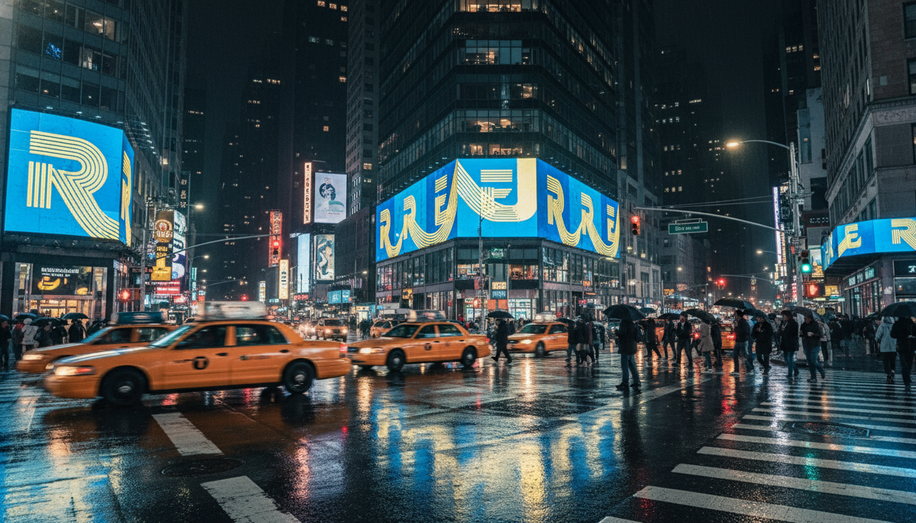

Out-of-home advertising occupies a unique position in the marketing landscape: it reaches audiences in their daily environment, demanding attention through scale, creativity, and strategic placement. When combined with the art of brand storytelling, OOH transforms from a simple awareness tool into a narrative medium that can engage audiences across multiple touchpoints and time. The most compelling OOH campaigns don’t rely on a single message; they unfold like chapters in a book, revealing deeper brand purpose with each location encountered.
Emotional Connection as Foundation
The power of OOH storytelling begins with emotional resonance. Successful outdoor advertising often tells a story or connects on an emotional level, whether through humor, nostalgia, or empathy. This emotional engagement creates stronger and longer-lasting impressions, driving brand recall and affinity in ways that functional messaging alone cannot achieve. When brands craft narratives rather than simply broadcasting product features, they invite audiences to participate in something meaningful.
Consider how outdoor brands have pioneered this approach. Finisterre, the Cornish cold-water surfing brand, built its narrative around shared love of the sea, capturing the power of outdoor adventure through stills and video that connect people with feelings of wildness and freedom. By tethering each campaign to an authentic outdoor experience, the brand communicates beyond lycra and waterproofing specifications—it communicates belonging to a community.
The Sequential Narrative Opportunity
OOH advertising’s geographic distribution creates an inherent advantage for sequential storytelling. Unlike digital ads confined to individual screens or print campaigns bound within a single publication, OOH exists across urban and geographic space. A brand might position complementary messages on billboards separated by city blocks or neighborhoods, allowing consumers to encounter different chapters of a narrative as they move through their environment.
This sequencing need not be coincidental. Sophisticated campaigns can leverage multiple locations to build narrative momentum. Volvo Penta demonstrated this potential by creating an innovative video campaign featuring young women surfers travelling to the Lofoten archipelago in Norway, reaching younger audiences through aspirational storytelling that generated reach, engagement, and brand loyalty. In an OOH context, such a narrative could unfold across transit stations, highway billboards, and urban displays—each location revealing another stage of the journey.
Authenticity and Community Resonance
The most effective OOH storytelling remains grounded in authentic experience. Stories that are deeply rooted in the reality of a community provide authentic and human voice that encourages engagement with the brand. This authenticity extends beyond imagery; it requires genuine connection to audience values and lived experience.
Mailchimp exemplified this principle by spotlighting Black and LGBTQIA+ entrepreneurs through their storytelling approach. When OOH amplifies real stories of real people from communities brands serve, the advertising transcends commercial messaging and becomes cultural participation. Whether featuring children in Kolkata or real small business owners, this community-anchored approach redefined brand value propositions by highlighting forward-thinking and responsible approaches.
Immersive and Experiential Extensions
The most ambitious OOH storytelling moves beyond static messages to create immersive environments. HOKA transformed a Manhattan city block into a living Joshua Tree-inspired landscape for 48 hours, creating an immersive experience complete with native flora, heat, wind, and rocky terrain to celebrate their new trail shoe launch. Such executions blur the boundary between advertising and experience, allowing audiences to inhabit the brand narrative rather than merely observe it.
Measurement Through Engagement
The proof of narrative effectiveness in OOH appears in audience response. Krab Kettle’s first billboard featuring a giant crab extension with high-contrasting colors and clear copy about their fresh seafood market achieved immediate results, while directional billboards for Egg River Café positioned sustained brand recall that drove consistent customer visits. These outcomes suggest audiences don’t merely tolerate OOH storytelling—they respond to it.
OOH advertising’s evolution into a storytelling medium reflects broader recognition that audiences crave meaning beyond transaction. By layering narrative across locations, grounding stories in authentic community experience, and occasionally creating immersive extensions of brand narratives, advertisers can transform urban landscapes into canvases for compelling stories that resonate long after viewers pass by.