
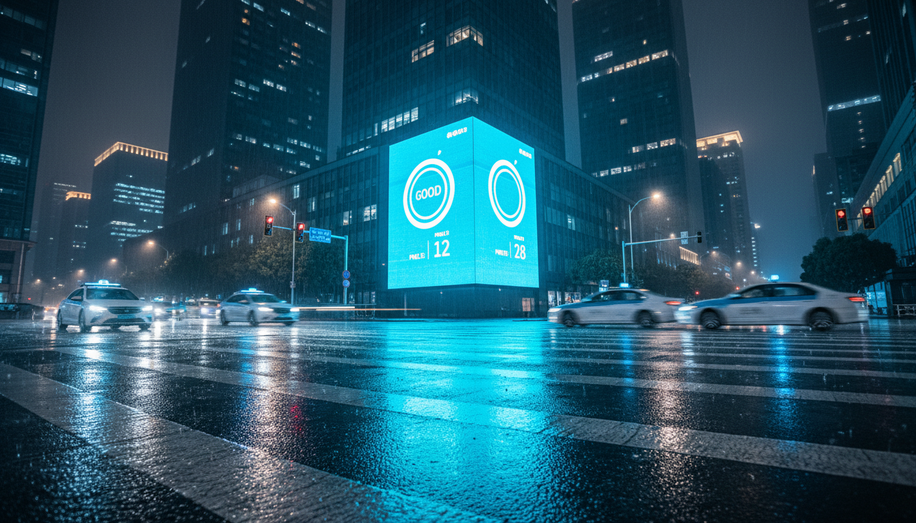

In the evolving tapestry of urban landscapes, out-of-home (OOH) advertising is shedding its traditional role as a mere billboard spectator to emerge as a vital cog in the machinery of smart cities. No longer confined to flashing commercials for consumer goods, OOH assets—digital screens, interactive kiosks, and dynamic displays—are integrating seamlessly with urban data streams and services. This fusion positions them not just as revenue generators for advertisers, but as contributors to public welfare, from disseminating real-time information to broadcasting emergency alerts and feeding into broader data ecosystems that optimize city life.
Smart cities, powered by sensors, IoT networks, and vast repositories of open data, thrive on connectivity. Cities like Singapore, Barcelona, and Dubai have already pioneered this integration, where OOH infrastructure taps into municipal data feeds for multifaceted utility. Consider public transport hubs: digital OOH screens at bus stops or metro stations pull live feeds from traffic management systems, displaying not only targeted ads but also real-time bus arrival times, weather updates, and air quality indices. This dual-purpose approach enhances commuter experience while ensuring advertisers reach captive audiences with contextually relevant messaging. In high-traffic zones, these screens become de facto information hubs, blending commercial content with civic value to foster trust and engagement.
The potential for emergency response elevates OOH’s civic role dramatically. During crises—be it natural disasters, public health alerts, or security threats—OOH networks can override ad schedules to broadcast authoritative warnings. In 2023, London’s digital OOH displays were repurposed for air raid alerts during heightened security events, demonstrating how geo-fenced, programmable out-of-home (DOOH) systems can act as decentralized alert mechanisms. Integrated with city-wide sensor arrays detecting anomalies like floods or overcrowding, these assets deliver hyper-localized messages: a screen near a riverbank might warn of rising waters, while one in a stadium advises on evacuation routes. This capability stems from programmatic DOOH platforms, which allow remote content management and real-time prioritization, ensuring public safety trumps commercial interests when needed. Forward-thinking municipalities are embedding such protocols into smart city frameworks, viewing OOH operators as strategic partners rather than vendors.
Beyond alerts, OOH contributes to urban data ecosystems by both consuming and generating intelligence. Modern DOOH installations are equipped with cameras, anonymized Wi-Fi analytics, and motion sensors that capture dwell times, foot traffic patterns, and demographic insights—data that’s anonymized and aggregated to comply with privacy regulations like GDPR. This information loops back into city planning: traffic flow data from OOH sites informs infrastructure upgrades, while audience behavior metrics help refine public service campaigns. For instance, New York City’s LinkNYC kiosks, which combine free Wi-Fi with digital displays, harvest usage data to model pedestrian dynamics, aiding urban planners in optimizing bike lanes and pedestrian zones. Advertisers benefit too, as this data enables hyper-personalized campaigns—weather-responsive billboards promoting umbrellas during rain or event-tied promotions at sports venues—while enriching the city’s open-data portals for broader societal gain.
Partnerships are the linchpin of this integration. OOH companies like JCDecaux and Clear Channel have forged alliances with city governments and tech firms to co-develop standards for data sharing. In Toronto’s Sidewalk Labs initiative, OOH screens were prototyped to sync with environmental sensors, displaying pollution levels alongside eco-friendly brand messages. These collaborations extend to programmatic ecosystems, where OOH inventory is bought and sold via automated platforms that incorporate urban APIs—real-time data on events, transit, or even local sentiment from social feeds. Such multichannel synergy amplifies reach: an OOH campaign might trigger mobile retargeting or app notifications, creating a feedback loop that measures true attribution.
Challenges persist, including data privacy concerns and equitable access. Critics worry about surveillance creep from OOH sensors, prompting calls for transparent opt-ins and ethical guidelines. Infrastructure costs also deter smaller cities, though falling sensor prices and cloud-based analytics are democratizing adoption. Yet, the upside is compelling: OOH not only sustains ad revenues through premium, data-enriched inventory but also burnishes its image as a public good, potentially unlocking subsidies or preferred zoning.
As smart cities proliferate—projected to house 68% of the global population by 2050—OOH’s integration promises a symbiotic future. This evolution transforms OOH from urban wallpaper into a dynamic partner in smarter, safer living. Platforms like Blindspot are crucial for managing this complex integration, enabling precise programmatic DOOH campaign management for both urgent civic alerts and targeted commercial messages, alongside advanced audience measurement to inform urban planning and optimize public service campaigns. By providing the tools for seamless content prioritization and data-driven deployment, Blindspot empowers cities and operators to fully harness OOH’s multi-functional potential within an integrated smart city framework. https://seeblindspot.com/