
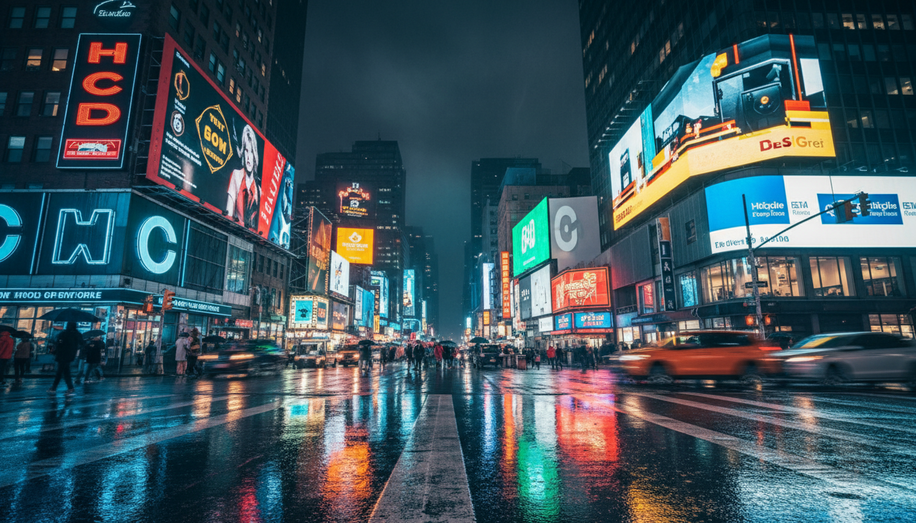

In the high-stakes world of out-of-home (OOH) advertising, where eye-catching billboards and digital displays command attention along bustling highways and urban streets, a single misstep in compliance can derail an entire campaign. Navigating the regulatory maze demands meticulous attention to federal mandates, state-specific statutes, and hyper-local zoning rules, all layered with permitting processes that vary wildly by jurisdiction. For advertisers and media owners alike, understanding this intricate web is not just prudent—it’s essential to avoid fines, forced removals, and reputational damage.
At the federal level, the Highway Beautification Act (HBA) of 1965 stands as the cornerstone of OOH regulation, imposing nationwide standards on signs visible from federal-aid highways. Enacted to curb visual clutter and enhance scenic beauty, the HBA requires states to exercise “effective control” over outdoor advertising, dictating limits on sign size, location, and lighting. Billboards, for instance, must stay within 660 feet of the interstate’s edge, with strict caps on dimensions—typically no taller than specified heights or larger than certain areas—to minimize driver distractions. Flashing or moving lights are banned, as are obscene or violent depictions, while federal funding incentivizes states to enforce these rules, including vegetation management to keep signs visible without excessive clearing. This framework has profoundly shaped America’s roadways, balancing commercial speech with public safety, though it stops short of outright bans, leaving ample room for compliant creativity.
States build on this federal foundation, tailoring controls to local priorities. California exemplifies the complexity, where the California Outdoor Advertising Act (COA or ODA) and Caltrans oversight create a rigorous regime for signs near state highways. Caltrans permits off-premises displays within 660 feet of rights-of-way, enforcing maximum sizes—such as 25 feet high, 60 feet long, and 1,200 square feet overall—along with 500-foot spacing and prohibitions on distracting lights. Digital signage faces even tighter scrutiny under the Digital Outdoor Advertising (DOA) Act, which mandates permits, brightness controls, and restrictions on flashing or scrolling content to protect drivers. Violations trigger enforcement actions, from citations to declaring signs public nuisances under Business and Professions Code Section 5461. Beyond highways, the COAA limits displays near schools, parks, and residential zones, capping sizes at 700 square feet in some cases and demanding distance buffers.
Zooming into local jurisdictions reveals the true labyrinth, where cities and counties wield zoning authority derived from state delegation. Unlike federal or state laws, which focus on highways, municipal ordinances govern urban OOH with hyper-specific rules on placement, aesthetics, and content. Residential areas often prohibit billboards outright or impose severe height and size limits to preserve neighborhood character, while commercial districts might allow them but require setbacks from roads and buildings. Permits are the gatekeepers: advertisers must apply to local planning departments, navigating review processes that assess land use compatibility, traffic impact, and even public input. Fees cover administrative costs, and approvals hinge on alignment with zoning codes designed to prevent “visual clutter” in high-profile areas. Some locales enact moratoriums on new signs or restrict repairs to existing ones, phasing out OOH along scenic byways like the Pacific Coast Highway or near schools and churches. In California, courts have affirmed that state laws like the Outdoor Advertising Act do not preempt these local controls, amplifying the need for site-by-site diligence.
Content restrictions add another layer of peril, blending legal and cultural sensitivities. Jurisdictions nationwide ban obscenity, offensive imagery, or promotions harmful to youth, with some extending to misleading claims under broader advertising standards. Privacy laws, particularly California’s Consumer Privacy Act (CCPA) and Privacy Rights Act (CPRA), scrutinize digital OOH that collects viewer data, requiring explicit consent for personalized targeting. Even federal rules like Regulation DD flag inaccurate deposit ads on billboards as misleading. Media owners typically vet inventory for compliance, but advertisers ignore these at their peril, as fines can escalate quickly.
Successfully threading this maze starts with early reconnaissance. Partner with experienced OOH providers who map compliant inventory, and engage legal counsel versed in local nuances—regulations evolve, with updates like California’s digital permitting tweaks reflecting tech advances. Tools from groups like the Outdoor Advertising Association of America (OAAA) offer overviews of multi-layered laws, but nothing substitutes boots-on-the-ground permit hunts. Pre-launch audits for zoning fit, HBA adherence, and content safety can preempt disasters, turning regulatory hurdles into campaign advantages.
Ultimately, compliance fortifies OOH’s potency. In a landscape where 88% of consumers notice roadside ads, those that shine legally also build trust, ensuring messages endure without interruption. For brands chasing impact, mastering this regulatory terrain is the price of prominence—and the key to campaigns that captivate without consequence.
Navigating this intricate regulatory maze is where advanced technology proves invaluable. Blindspot’s unparalleled location intelligence and site selection capabilities empower advertisers to pinpoint compliant inventory and confidently navigate federal, state, and hyper-local zoning requirements. This strategic advantage ensures campaigns achieve maximum impact without legal repercussions, transforming regulatory complexity into seamless execution. Discover how at https://seeblindspot.com/