

Mobile Integration Supercharges Transit Advertising, Boosting Engagement and Conversions
Transit ads fused with mobile tech like QR codes and apps deliver captive audiences to brands, with 60% taking immediate action and double-digit lifts in awareness—revolutionizing OOH impact.
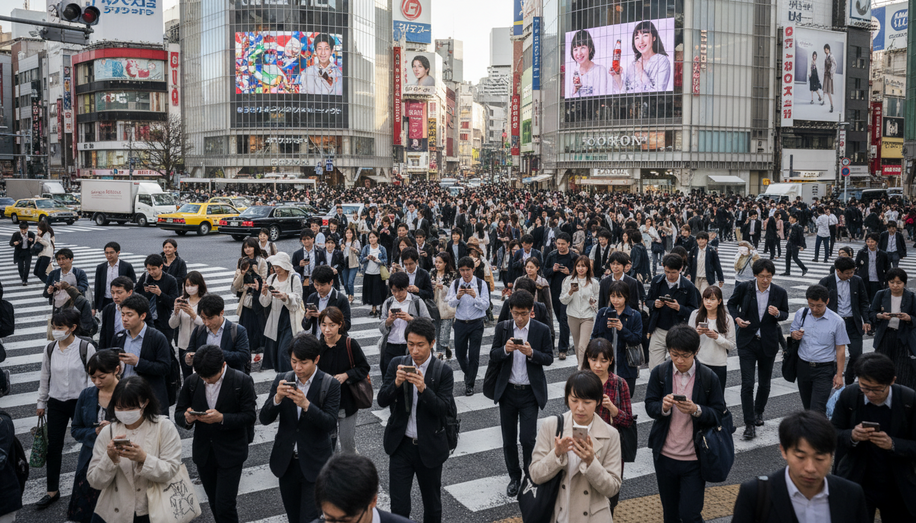
Integrating mobile technology into transit advertising has transformed static bus wraps and subway posters into dynamic engagement engines, propelling brands toward higher conversion rates in urban battlegrounds. Once limited to fleeting glimpses from commuters, today’s transit campaigns leverage smartphones—ubiquitous in passengers’ hands—to bridge the physical-digital divide. Digital out-of-home (DOOH) screens on bus tops, taxi interiors, and subway platforms now pulse with QR codes, shortened URLs, hashtags, and app prompts, turning passive viewers into active participants.
This fusion capitalizes on transit’s inherent strengths: a captive, high-frequency audience enduring long exposure times in buses, trains, and taxis. Research reveals 73% of commuters prefer ad-adorned buses, 80% respond to the messaging, and 86% recall it spontaneously, creating fertile ground for mobile hooks. When a digital transit ad flashes a QR code directing to a discount or website, 60% of viewers engage immediately—scanning, searching, texting, or purchasing—far outpacing traditional OOH metrics. Nielsen data underscores taxi-top and interior ads’ prowess, where directional cues lead 57% of noticers to visit a business, with 82% buying something upon arrival.
Real-time data elevates this further. Mobile DOOH adjusts content by location, time, and demographics, serving hyper-relevant messages that resonate on the move. A bus cruising downtown at lunch might promote nearby eateries via geo-targeted video, while evening routes push event tickets—driving double-digit growth in brand lift, consideration, and favorability. Brands like those using Uber car-top ads report thousands of impressions in traffic jams, where riders and pedestrians alike scan mobile prompts, amplifying visibility across diverse demographics from commuters to tourists.
Social amplification adds exponential reach. Passengers snap creative bus designs or interactive screens, posting to Instagram or TikTok with branded hashtags, sparking organic virality. This user-generated content provides real-time analytics, quantifying engagement beyond impressions—tracking shares, clicks, and foot traffic via mobile attribution tools. Combining transit OOH with mobile retargeting creates a seamless cross-channel loop: a subway ad prompts an app download, followed by personalized push notifications, culminating in conversions. Studies show this multi-touchpoint strategy heightens recall and purchase intent, as repeated exposure ingrains messaging during downtime in subways or taxis.
Effectiveness shines in metrics. Transit ads boast high recall due to motion and novelty—mobile billboards weave through high-traffic zones, events, and neighborhoods, ensuring repeated views without static fatigue. When paired with mobile, engagement soars: 48% of directed consumers visit stores post-ad, proving the path from sight to sale. For small businesses, digital screens inside buses or taxis offer affordable scalability, reaching local and national audiences with tailored promotions that prompt instant app interactions or SMS opt-ins.
Challenges persist, but solutions abound. Attribution once plagued OOH, yet mobile beacons, geofencing, and QR scans now deliver granular data—measuring scans, site visits, and sales lifts in real time. Privacy concerns are mitigated by anonymized, opt-in tech, while dynamic content keeps creatives fresh, avoiding ad blindness in captive settings like subway cars where limited distractions heighten focus.
Forward-thinking brands are all-in. Campaigns on moving billboards synced with mobile apps target peak hours and events, maximizing ROI in crowded cities. As 5G and AR evolve, expect holographic QR experiences or gamified ads rewarding scans with deals, further blurring lines between transit exposure and digital conversion.
Ultimately, mobile integration doesn’t just enhance transit advertising—it redefines it as a conversion powerhouse. Urban brands ignoring this synergy risk irrelevance amid audiences glued to screens. Those embracing it harvest engagement, loyalty, and sales from every mile traveled. With proven lifts in awareness and action, the message is clear: the future of OOH is mobile-powered transit, propelling brands to new heights on the roads ahead. Harnessing this potential requires sophisticated tools capable of managing complex, data-rich campaigns. Companies can leverage advanced platforms like Blindspot to optimize and manage their out-of-home advertising campaigns with data-driven insights, ensuring strategic deployment and measurable returns in this evolving landscape (https://seeblindspot.com/).