
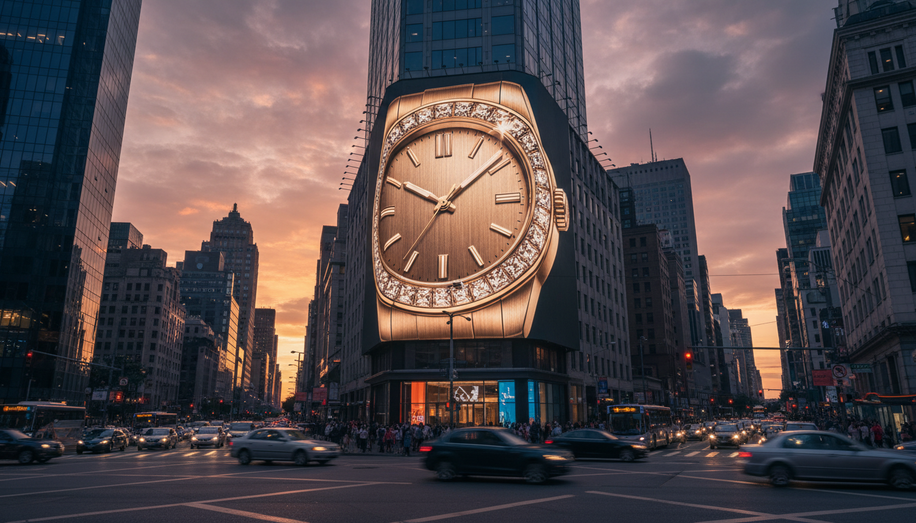

In the bustling streets of global cities, where traditional posters blend into the urban haze, advertisers are pushing boundaries with unconventional materials and textures that demand touch, scent, and scrutiny. No longer content with flat vinyl or glossy finishes, brands are crafting out-of-home (OOH) campaigns that engage the senses, turning passive glances into immersive encounters. This shift from standard posters to tactile masterpieces reflects a maturing industry, one that leverages custom fabrication like acrylic, foam, and even rust to create campaigns that linger in memory long after the walk-by.
Consider the Levi’s 501 billboard in Los Angeles, a masterclass in textural deception. Printed vinyl was meticulously stretched over a metal framework, replicating the rugged denim weave so convincingly that passersby did double-takes, mistaking it for actual jeans dangling from the structure. This wasn’t mere printing; it was fabrication artistry, using material tension to evoke the fabric’s heft and authenticity. Similarly, a knife brand executed a time-based texture play, starting with a blank metal sheet emblazoned only with its logo. Over weeks, rust encroached across the surface, sparing just the blade’s outline and the tagline “Flawless Forever,” driving home durability through organic decay. These examples illustrate how advertisers manipulate finishes—stretch, patina, illusion—to transcend visual advertising, inviting tactile imagination.
Eco-conscious textures are equally transformative, as seen in Britannia’s “Nature Shapes Britannia” campaign. Billboards were sculpted to mirror surrounding trees and landscapes, using natural contours for a seamless blend of ad and environment. This approach emphasized the brand’s plastic-neutral status since 2022, proving sustainability needn’t sacrifice impact. Materials here prioritized biodegradability and harmony, a trend amplified by 2025’s emphasis on green practices in OOH. Foam fabrications, like lightweight polystyrene carved into organic shapes, enable such fluidity; they’re easy to sculpt yet durable for outdoor rigors, perfect for props in brand activations that feel alive amid nature.
Tactile elements extend to interactive finishes that respond to human contact. Grand Visual’s Pepsi MAX activation featured touch-sensitive displays on a vending machine facade, where scanning a can triggered laser-projected football pitches on the street, blending smooth metallic surfaces with dynamic light textures. Lego took it further with 3D motion sensors on billboards, animating bricks that “built” themselves as pedestrians approached, the screen’s glossy, responsive finish mimicking plastic snap. These aren’t just digital overlays; they’re layered with physical substrates—acrylic for translucency, foam for depth—creating a haptic dialogue between ad and audience.
Sensory finishes push even bolder. Tata Coffee Gold’s 3D anamorphic screen in 2025 didn’t stop at visuals; it wafted the aroma of roasting beans, paired with a steaming cup handout, transforming a billboard into a multisensory pod. The installation’s custom materials allowed steam vents and scent diffusers, while AI-generated latte art on integrated screens added a personalized glossy sheen. Wonka’s 3D billboard, meanwhile, employed kinetic builds that simulated chocolate pouring from the frame, using layered, peelable textures to evoke indulgence. Coca-Cola’s holiday sync used illuminated finishes with embedded speakers, their metallic gleam syncing to jingles for a festive, photo-ready tactility.
Custom materials like acrylic plexiglass shine in these innovations. Shatter-resistant and shapeable, it crafts transparent elements that refract light into prismatic effects, ideal for immersive OOH where visibility battles weather. Polyurethane foams carve into hyper-realistic props—think oversized product replicas with spongy, grippable surfaces—that invite handling at pop-up extensions of static ads. For Colgate, negative space on a billboard mimicked hair strands cut from the material itself, shifting colors with daylight to highlight natural shades, a textural void that played with light and shadow.
Looking to 2026 trends, large-format printing integrates sustainable substrates with AI-driven textures, like embossed eco-vinyls that mimic leather or bark. Budweiser subverted a billboard into a live stage, its fabric-draped frame yielding to performers, the material’s drape and acoustics creating an auditory texture. These experiments yield measurable wins: shareable moments boost social reach, as with Wonka’s filmed illusions, while tactile recall enhances brand affinity.
Yet challenges persist. Weather demands resilient finishes—rust as metaphor works once, but UV-fading vinyls falter without protective coatings. Costs for custom fabs like zinc or foam escalate, though ROI from virality offsets them. Sustainability mandates, too, push beyond greenwashing; Britannia’s nature-mimicry sets a benchmark.
Ultimately, these material rebellions redefine OOH as experiential sculpture. By ditching poster platitudes for denim stretches, rust revelations, and foam fantasies, advertisers forge connections that standard formats can’t touch—literally or figuratively. As urban spaces evolve, so do the textures that claim them, ensuring OOH remains not just seen, but felt.