
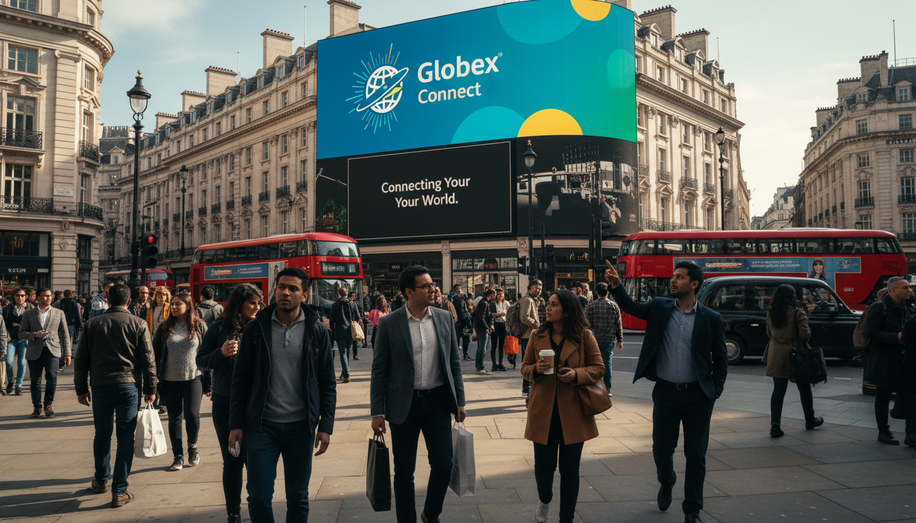

In the high-stakes world of out-of-home (OOH) advertising, location reigns supreme as the linchpin of campaign success. Far from being a mere logistical detail, precise geographic targeting transforms billboards, transit ads, and street furniture into precision instruments that deliver messages to the right eyes at the right moment, amplifying reach and resonance in ways digital channels often can’t match. Brands that harness location data don’t just cast a wide net—they reel in highly relevant audiences, driving measurable lifts in brand awareness, foot traffic, and conversions.
The foundation of effective location marketing begins with a deep dive into audience demographics and behaviors. Understanding who the target consumers are—their age, income, profession, gender, and daily rhythms—allows advertisers to predict where they congregate most frequently. For instance, a fitness apparel brand might zero in on gyms, sports stadiums, or running trails, where health-conscious individuals are already primed for motivational messaging. This isn’t guesswork; it’s data-driven intelligence gleaned from mobility patterns, routine commutes, and leisure habits. Analyzing consumer psychology further refines the approach: What routes do they take to work? Where do they unwind on weekends? Such insights reveal high-impact zones, ensuring ads interrupt daily life at peak relevance rather than blending into the urban blur.
Geographic targeting elevates this process from intuitive to scientific. By mapping locations against audience hotspots, brands create hyper-local campaigns that feel personal and timely. A coffee chain could dominate commuter-heavy highways with morning specials, while a pizza delivery service near a stadium touts post-game deals, invoking local landmarks like “Soho’s best slice tonight” to forge instant connections. Digital OOH takes this further with dynamic capabilities, adjusting content based on real-time traffic flow or footfall data—metrics that quantify pedestrian volume and vehicle movement to pinpoint optimal timing and placement. High-traffic intersections or busy downtown strips might command premium rates, but the payoff in impressions justifies the investment, often outperforming lower-visibility spots.
Visibility and contextual relevance compound these advantages. Ads must command attention from afar, unhindered by obstructions like trees or buildings, while aligning with the environment. Bus shelters capture waiting commuters in captive moments, lamp posts hit eye-level for urban pedestrians, and university-adjacent billboards engage students with tailored promotions. Advanced tools like programmatic OOH platforms integrate GPS, Wi-Fi, and IP data for geotargeting, even extending to traditional media by plotting signs on maps to fill visibility gaps or rotate creatives across sites. Lind Media’s patented spring technology exemplifies innovation here, enabling seamless poster swaps across neighborhoods or cities without new production costs, scaling geographic strategies efficiently.
Yet, location marketing’s true power lies in its ability to boost campaign effectiveness through precision and relevance. Studies and practitioner insights consistently show that well-placed OOH yields wider reach and stronger brand recall than scattershot efforts. For local businesses, it’s particularly cost-effective, targeting demographics in their natural habitats—parents near schools, young professionals in trendy districts—while fostering urgency with event-tied messaging. Enhanced engagement follows: Contextual cues referencing nearby events or landmarks spike conversions, as audiences respond to ads that mirror their immediate world.
Challenges persist, of course. Privacy concerns demand ethical data handling, especially with location signals from mobile devices, and costs can escalate in premium zones. Accuracy hinges on robust analytics; outdated footfall data or misread traffic patterns can dilute impact. Still, forward-thinking agencies mitigate this through consultative planning: assessing client goals first—be it awareness, store visits, or events—then layering in demographics, traffic studies, and creative adaptability.
Brands leading the charge are already reaping rewards. Athletic wear giants position near malls and arenas, beverage companies blanket stadium vicinities, and retailers dominate college corridors. Even beyond billboards, guerrilla tactics on staircases or street art extend geographic reach creatively, provided they tie back to audience movement. As OOH evolves with digital overlays and AI-driven placement, location data will only grow more pivotal, turning static spaces into dynamic conversation starters.
Ultimately, in an era of fragmented media, location marketing restores OOH’s primal strength: unavoidable, ambient influence tailored to where life happens. Brands that master it don’t just advertise—they inhabit their audience’s world, ensuring every glance converts to action.