
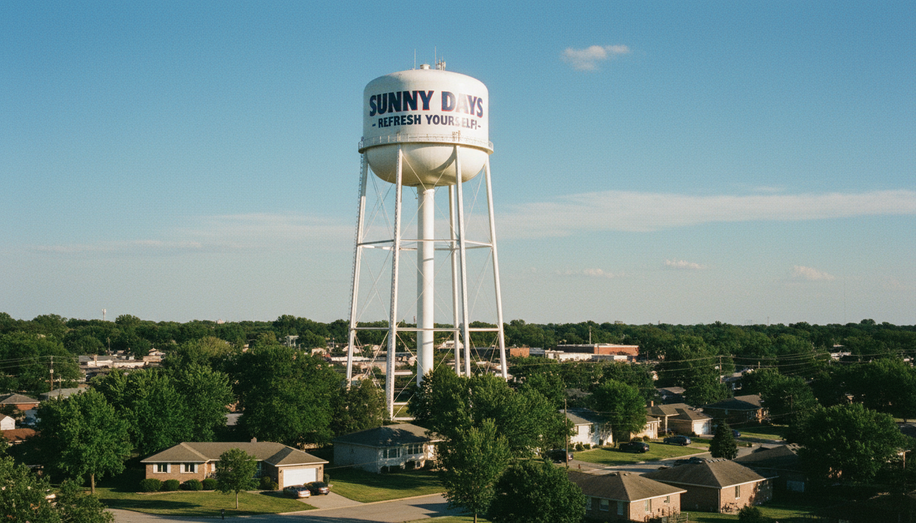

The most successful out-of-home advertising campaigns today are abandoning traditional billboards and bus shelters for spaces that interrupt the everyday and create lasting impressions. As brands compete for attention in increasingly saturated markets, innovative location strategies have become the differentiator between campaigns that fade into the background and those that generate viral moments and measurable business results.
The shift toward unconventional locations reflects a fundamental change in how consumers engage with outdoor media. Rather than passive exposure to standardized advertisements, brands are activating spaces that align with consumer behavior, environmental context, and cultural moments. Public transportation hubs exemplify this strategy, providing what media strategists call “captive audiences” during wait times. A beverage brand’s weather-triggered digital billboard campaign in transit stations demonstrated this potential, delivering a 20 percent sales increase in targeted areas. By placing contextually relevant messaging where commuters are already present and receptive, brands maximize both visibility and engagement.
Museums and cultural venues represent another emerging frontier for OOH advertising. These locations attract what industry observers describe as “culturally engaged audiences,” making them ideal for brands seeking alignment with innovation and sophistication. When outdoor LED billboards are positioned near technology or science museums, the contextual relevance enhances ad effectiveness and creates lasting impressions on visitors primed to engage with forward-thinking brands.
Environmental integration has proven particularly powerful in driving campaign success. The Corona beer campaign in Brighton exemplifies this approach, using the sun’s position to reveal messaging only during a specific 15-minute window, creating scarcity and novelty. Similarly, Britannia’s unconventional decision to position billboards where trees would partially obscure messaging reinforced the campaign’s harmony-with-nature narrative. These examples demonstrate that breaking industry norms by challenging standard practices can lead to more meaningful brand communication.
Weather-triggered digital out-of-home campaigns have introduced a new dimension of precision targeting. Rain-X launched a campaign that activated advertisements only during rainfall, ensuring their message appeared precisely when drivers most needed the product. Aperol took this concept further, using programmatic technology to activate ads exclusively during ideal “summer cocktail weather” conditions above 66 degrees Fahrenheit, with strategic placement near social hubs and high-traffic areas. This data-driven approach transforms outdoor advertising from a static medium into a responsive channel that speaks directly to immediate consumer needs.
Immersive and experiential installations have transcended traditional advertising boundaries. Nike’s 3D digital billboard in Tokyo featured a periodically opening shoebox revealing different Air Max designs, creating suspense that transformed a local campaign into a global social media phenomenon. McDonald’s “walk thru” billboards in London neighborhoods during the pandemic allowed consumers to purchase items directly through the billboard structure, combining convenience with novel brand experience. These installations acknowledge that modern consumers seek interaction, not just observation.
Event-driven location strategy represents yet another avenue for innovation. Apple’s Olympic advertising campaign capitalized on heightened public interest and increased foot traffic during the Games, demonstrating how aligning outdoor campaigns with major cultural moments amplifies reach and relevance. This approach requires marketers to actively seek out moments of heightened audience attention and position inventory accordingly.
The most compelling recent examples share common characteristics: they consider audience context, leverage data and technology for precision, and respect the spaces they occupy rather than simply dominating them. Whether through gamification at supermarkets in small Dutch towns, Lego-themed bus stop installations that match their surroundings, or mobile digital billboards deployed strategically around shopping centers during peak seasons, successful unconventional OOH campaigns treat locations as integral to messaging rather than mere vessels for ads.
As the medium continues evolving, the distinction between traditional and unconventional locations becomes increasingly blurred. The future of out-of-home advertising belongs to brands willing to think beyond standardized placements and instead craft experiences that feel organic to their environments while delivering measurable business results. Navigating this evolving landscape requires sophisticated tools to identify, activate, and measure truly impactful OOH opportunities. Platforms like Blindspot empower brands to embrace this future, leveraging advanced location intelligence and programmatic DOOH campaign management to pinpoint unconventional, contextually relevant placements and deliver precision-targeted messaging. This ensures not only creative resonance but also quantifiable business results, transforming innovative OOH strategies into a cornerstone of modern marketing success, as detailed at https://seeblindspot.com/