
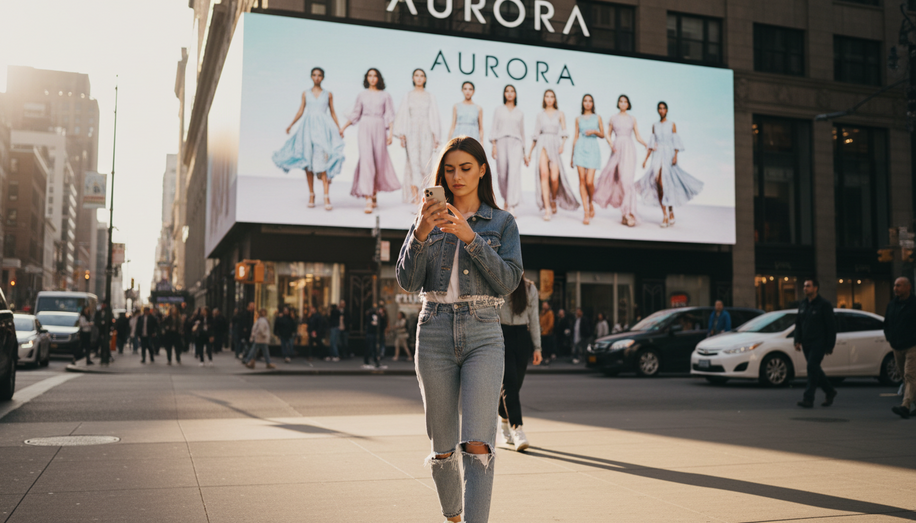

In the evolving landscape of advertising, out-of-home (OOH) campaigns are transcending static billboards to become dynamic portals that fuse physical presence with digital virality, largely through strategic influencer partnerships. Brands are increasingly enlisting influencers not just as online endorsers but as bridges between tangible street-level displays and immersive social media ecosystems, amplifying reach while fostering authentic engagement. This integration, often powered by digital OOH (DOOH) technology, allows campaigns to evolve in real time, responding to audience interactions and turning passersby into active participants.
Consider Coca-Cola’s collaboration with Selena Gomez, a masterclass in synchronization. Billboards emblazoned with the pop star’s image dotted high-traffic urban zones, while she simultaneously flooded her social channels with promotional content. The result was a surge in brand awareness and sales, as her digital followers sought out the physical ads, snapping photos and sharing them online, effectively extending the billboard’s footprint exponentially. Similarly, Nike targeted fitness communities by featuring local influencers on billboards near gyms and running paths. These influencers complemented the displays with social posts of their routines using Nike gear, urging followers to hunt down the ads in person. This tactic not only boosted local engagement but wove the brand into everyday physical experiences, blending community ties with national messaging.
Beauty brand Glossier took this further by starring avid bloggers on billboards in New York and Los Angeles. The influencers generated behind-the-scenes buzz on social media, from shoot reveals to teaser videos, driving foot traffic to the ads and online conversions via exclusive discount codes. The campaign’s genius lay in its seamless loop: physical sightings prompted digital shares, which funneled users back to e-commerce, spiking sales. These examples illustrate a core strategy—positioning influencers as the human element that humanizes OOH, transforming passive viewing into interactive storytelling.
Outdoor brands have particularly excelled in this hybrid model, leveraging influencers whose lifestyles align intrinsically with rugged, real-world adventures. Patagonia’s 2017 Lake District initiative partnered with retailers like George Fisher to deploy outdoor bloggers, runners, photographers, and climbers. These influencers donned Patagonia gear during authentic exploits—hiking, fell running, family outings—documenting via high-quality photos, videos, and blogs shared across social platforms and the retailer’s channels. The content reached 134,358 targeted individuals through precise social ads, emphasizing sustainability efforts like NGOs Fix the Fells and Nurture Lakeland without feeling forced. This not only elevated brand reputation but created remarketable audiences for future pushes, proving influencers’ power to authentically embed products in physical narratives.
YETI, the rugged cooler titan, scaled this approach by cultivating 15 ambassador communities from fishing to skate culture by 2023. Influencers didn’t merely promote; they embodied the brand through genuine video stories of outdoor pursuits, cross-pollinating with video marketing to forge emotional connections. The strategy underscores how OOH can pair with such content: imagine billboards of these ambassadors in adventure hubs, geotagged for social discovery, prompting user-generated check-ins and shares. Ortlieb’s waterproof gear launch echoed this, with a three-month influencer blitz via Lyon Equipment. Creators tested packs in wild swims and hikes, their real-time content colliding with potential OOH placements at trailheads or coastal spots, redefining product durability for outdoor enthusiasts.
The mechanics of success hinge on deliberate synergy. Brands start by aligning influencers with campaign goals—selecting those whose audiences match OOH demographics, using AI tools for vetting, outreach, and tracking. DOOH elevates this: dynamic screens can swap creative based on influencer posts or real-time data, as seen in campaigns where celebrities like Sway Calloway appeared on Times Square billboards, live-streaming calls to action that exploded online. Eco-brands like Patagonia amplify impact further; pairing activist Leah Thomas with sustainability-focused OOH drove 150% engagement lifts, while Allbirds’ Chris Hemsworth tie-in yielded 80% sales jumps, blending physical ads with value-driven digital amplification.
Challenges persist, from ensuring content authenticity to measuring cross-channel ROI, yet metrics like earned media value and footfall attribution tools are closing the gap. Agencies like Get Hyped report million-view hauls for adventure brands, converting influencer content into leads via Amazon traffic, hinting at OOH’s role in priming physical discovery. For destinations, Panama City Beach’s InstaMeet hosted ten influencers for bespoke itineraries and live chats, their posts turning beach billboards into interactive guides.
Ultimately, influencer-OOH partnerships thrive by dissolving digital-physical divides, crafting campaigns where streets become social feeds and influencers the connective tissue. As DOOH proliferates, brands that treat influencers as creative co-pilots—infusing lived experiences into ads, as Nike did with Serena Williams—will dominate. Heinz’s Ed Sheeran collaboration, though not OOH-specific, exemplifies this: letting influencers steer ideas yields resonant, shareable magic. In 2026, with audiences craving tangibility amid screen fatigue, this blend isn’t just effective—it’s essential for cutting through noise and building lasting loyalty.
Mastering the intricate synergy between physical OOH and dynamic influencer ecosystems requires robust tools for precision and proof. Blindspot offers the location intelligence to strategically pinpoint OOH placements that amplify influencer reach, coupled with programmatic DOOH management to dynamically evolve creative in real time with social buzz. This empowers brands not only to seamlessly bridge digital and physical worlds but also to meticulously track real-time performance and attribute cross-channel ROI, proving the essential value of these integrated campaigns. Explore the possibilities at https://seeblindspot.com/