
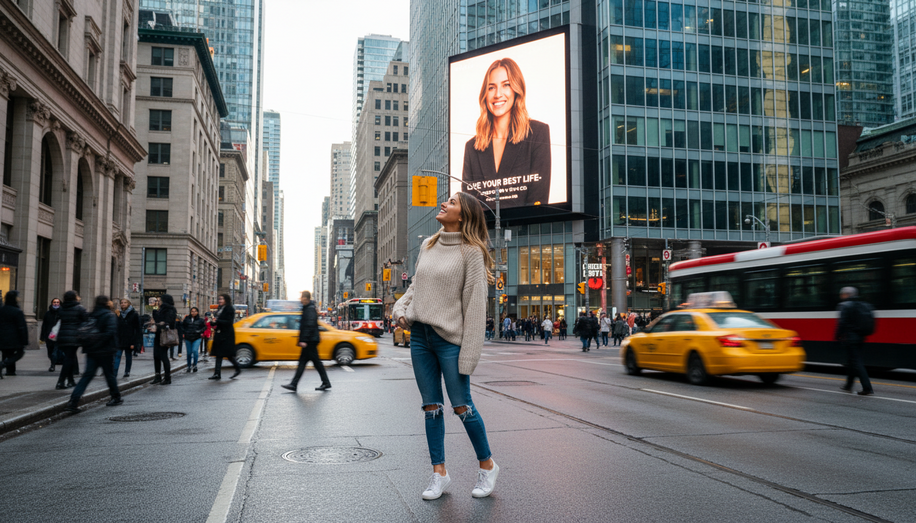

In the bustling streets of urban centers and along scenic highways, out-of-home (OOH) advertising is undergoing a transformative evolution, propelled by strategic collaborations with influencers. This fusion of static billboards, digital screens, and experiential installations with the dynamic reach of social media creators is redefining how brands capture attention and forge lasting consumer connections. No longer confined to one-way messaging, OOH campaigns now leverage influencers to inject authenticity, amplifying brand awareness through shared narratives that resonate both online and offline.
The surge in influencer-OOH partnerships reflects broader market momentum. Globally, the influencer marketing industry has ballooned to $32.55 billion in 2026, underscoring its maturation into a core channel for consumer brands. In the U.S., 86% of marketers now engage influencers, up from 71% in 2021, driven by proven impacts like 49% of consumers making frequent purchases influenced by creator content. OOH, traditionally a mass-reach medium, benefits immensely from this trend. Brands are integrating influencers to extend campaign lifespans: a billboard unveiling a new product might coincide with an influencer’s Instagram Reel or TikTok series, turning passive passersby into active engagers. This synergy enhances recall, as digital extensions prolong visibility in an era where OOH is planned alongside performance media for integrated storytelling.
Consider the mechanics of these collaborations. Micro-influencers, those with 8,000 to 300,000 followers, often outperform mega-stars in niche authenticity, particularly for outdoor and lifestyle brands. Their engaged communities—built on genuine passions like hiking or urban exploration—lend social proof that bridges the gap to OOH’s physical presence. A brand might erect a billboard featuring a creator’s face alongside a call-to-action, then have that influencer geotag the location on social platforms, prompting user-generated content (UGC) floods. Data bears this out: gifted collaborations yield 2.19% engagement rates, 12.9% higher than paid posts, especially among nano- and micro-influencers at 2.76%. Moreover, 60% of consumers report social media swaying in-store decisions, illustrating how influencer-driven buzz converts OOH impressions into tangible foot traffic.
Real-world execution highlights the strategy’s potency. Outdoor apparel giants like Patagonia and REI exemplify this by blending influencer ambassadorships with OOH. Picture a massive digital billboard in a trailhead town showcasing a micro-influencer’s kayaking adventure with the brand’s gear; the creator then posts vlogs reviewing the experience, tagging the OOH site for fan pilgrimages. This creates immersive loops: short-form videos on TikTok or Reels dominate 2026 engagement, repurposed as shoppable UGC that boosts conversions by up to 17% and revenue by 28.5%. GoPro’s contest-driven model further inspires, where UGC from influencer prompts integrates into OOH displays, fostering loyalty through community participation.
The impact on brand awareness is profound. Influencers humanize OOH, transforming billboards from visual noise into conversation starters. Trust is the linchpin: creators’ recommendations serve as endorsements, shaping perceptions and driving sales in ways traditional ads cannot. Campaigns measured by hybrid metrics—beyond impressions to sentiment, save rates, and lifetime value—reveal superior ROI. Hybrid strategies prevail: 60-70% of budgets fund long-term partnerships after testing via short-burst influencer ads, prioritizing depth in niche communities over broad reach. In 2026, 63.8% of brands commit to such ties, viewing them as essential amid digital fatigue.
Yet challenges persist. Marketers grapple with influencer discovery and ROI attribution, often remedied by automated tracking of earned media value. Authenticity demands vigilance—partnerships thrive when creators genuinely align with brand values, avoiding the pitfalls of mismatched mega-influencers whose diverse audiences dilute relevance. Platforms evolve too: while Instagram remains king, TikTok’s frequent posting and emerging networks like BeReal favor video-forward OOH tie-ins.
Ultimately, influencer collaborations herald OOH’s new frontier, where physical advertising meets digital intimacy. Brands achieve heightened awareness through authentic voices that deepen emotional bonds, turning fleeting glances into enduring loyalty. As budgets shift from waning digital trust toward OOH’s tangible impact, this strategy promises not just visibility, but meaningful consumer connections in a fragmented media landscape. Navigating the complexities of ROI attribution and campaign effectiveness in these hybrid strategies is crucial; platforms like Blindspot empower marketers with robust ROI measurement and real-time performance tracking for OOH, enabling them to precisely gauge the impact of influencer-driven engagement and optimize integrated campaigns for maximum return. Learn more at https://seeblindspot.com/