
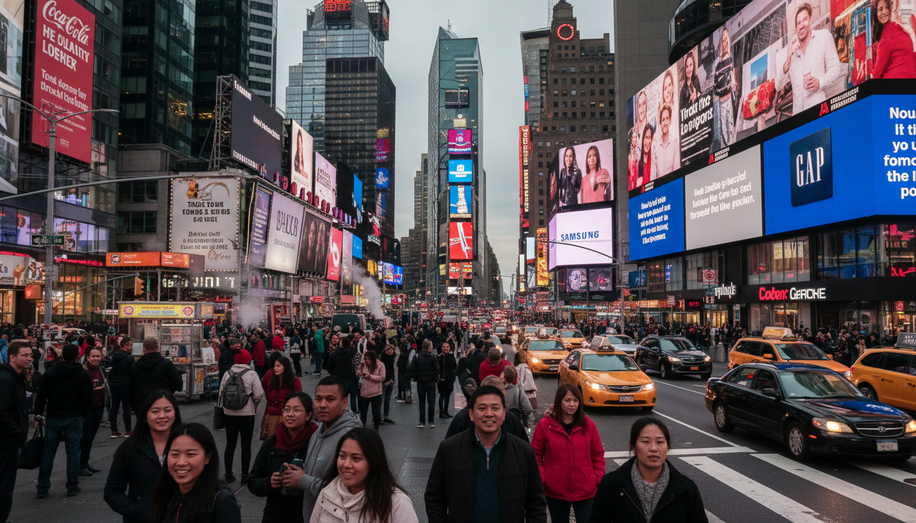

Environmental Graphics: Sculpting Urban Identities Through Bold Place Branding
Environmental graphics, from OOH installations to immersive signage, redefine urban spaces by weaving visual narratives that foster community pride, guide navigation, and amplify local branding for lasting impact. (148 characters)
In cities worldwide, environmental graphics are emerging as powerful architects of urban identity, transforming mundane streets and public realms into vibrant expressions of place branding. These designs—encompassing out-of-home (OOH) installations, murals, wayfinding systems, and architectural overlays—do more than decorate; they communicate stories, evoke emotions, and anchor communities to their environments. By blending graphic artistry with architecture, interior, and landscape elements, they create cohesive experiences that elevate urban branding beyond logos and slogans, turning physical spaces into memorable destinations.
Consider the role of OOH graphics in placemaking, a process that leverages existing assets to enhance environments for residents and visitors alike. Large-scale wall graphics, dimensional signage, and interactive displays fill otherwise bland urban voids with brand-centered narratives, sparking interest and fostering a sense of belonging. In public buildings like universities, hospitals, and museums, these elements not only simplify navigation but also instill brand awareness, reinforcing institutional values while making spaces more welcoming and engaging. For urban planners and city marketers, this translates to stronger place branding: a city’s visual language becomes its signature, drawing tourists, investors, and talent by signaling vitality and uniqueness.
Hyperlocal design takes this further, infusing graphics with cultural motifs, traditions, and community-specific touches that resonate deeply. Artwork mirroring local heritage—think murals depicting indigenous patterns or historical vignettes—creates immersive experiences that regenerate neighborhoods at a granular level. This approach contributes to urban regeneration by building emotional connections; residents feel seen, while visitors gain an authentic taste of the locale. In retail-heavy districts, such as Central Florida’s innovative marketplaces, environmental graphics like high-contrast witty messaging and custom illustrations extend brand missions across touchpoints, from shelf signage to packaging, ensuring scalability and bold presence. The result? Spaces that stand out in crowded markets, driving loyalty through visual storytelling that aligns with evolving consumer demands for authenticity.
Functionality underpins this aesthetic power. Environmental graphics excel in wayfinding, linking signage to the community’s narrative for intuitive navigation that builds confidence. Unlike traditional signs, which merely direct, these integrated systems—dimensional logos on building facades, corridor cues, or exterior OOH displays—connect people to their surroundings, shaping perceptions of the built environment. In corporate lobbies or transit hubs, they provide critical information while enhancing emotional resonance, making environments feel unique and memorable. Businesses increasingly allocate budgets here, viewing OOH and interior graphics as cost-effective tools for brand perception, especially in hybrid work eras where physical spaces must compete with digital realms.
The social ripple effects amplify their branding impact. Designers wield environmental graphics as platforms for change, raising sustainability awareness or spotlighting social justice through visually compelling messages that inspire action. In urban contexts, this means OOH installations that educate on local eco-initiatives or amplify community voices, fostering engagement and positive transformation. For Gen Z consumers, who prioritize relatability—note that 32% of their transactions occur via mobile apps—these graphics bridge digital-physical divides, creating consistent, immersive experiences that evolve with trends. Transdisciplinary collaboration with architects and landscape experts ensures graphics not only captivate but authentically embody a city’s values, from retail storefronts to public plazas.
Real-world examples underscore the potency. Retail innovator The Good Pour used environmental graphics to embed its charitable mission into every spatial element, from wall murals to shelf details, crafting an unforgettable destination that reinforces brand loyalty. Similarly, corporate spaces gain from branded interiors that inform employees of company history while delighting visitors, proving graphics’ versatility across sectors. In urban branding, cities like those experimenting with hyperlocal hues see boosted regeneration: graphics become tools for identity reinforcement, making locations recognizable and enjoyable.
Challenges persist, particularly adapting to shifting behaviors amid digital saturation. Yet, by prioritizing clarity, storytelling, and innovative engagement, environmental graphics future-proof urban identities. They influence how people move, feel, and remember spaces, extending impact beyond walls into social media shares and word-of-mouth buzz.
Ultimately, in an era of fleeting digital ads, OOH-driven environmental graphics offer permanence and tactility, sculpting urban brands that endure. Cities investing here don’t just beautify—they cultivate pride, connectivity, and economic vitality, proving that thoughtful visuals are the lifeblood of modern place branding. As urban landscapes evolve, these graphics will lead, turning concrete jungles into canvases of collective identity.
(Word count: 712)