

Harnessing Data Analytics for Sharper, Smarter DOOH Campaigns
Meta description: How advanced data and analytics are transforming DOOH from broad-reach media into a precision, outcomes-driven channel that boosts ROI and accountability.
Digital out-of-home has always sold itself on scale and impact. Now, with advanced data analytics layered in, DOOH is evolving into a precision tool that can rival digital display in its ability to target, optimise and prove performance.
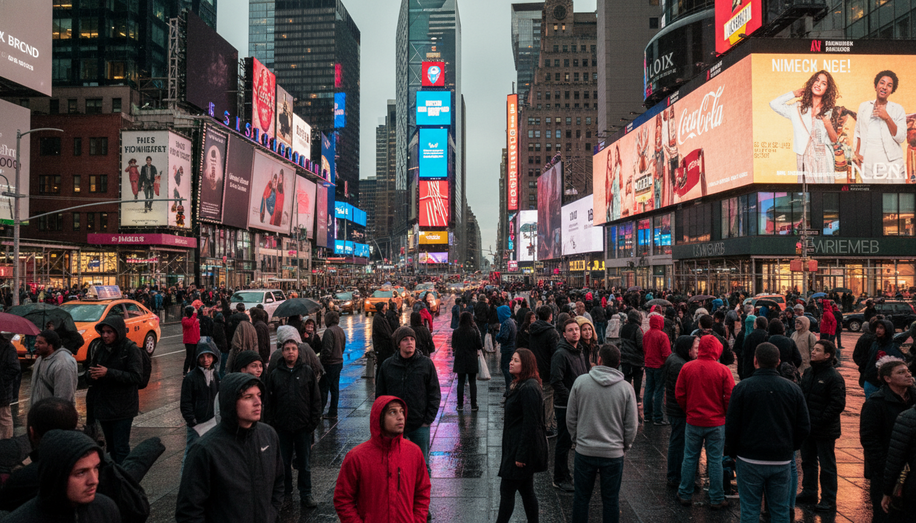
The shift is driven by a richer understanding of who is in front of screens, when, and in what context. By analysing mobility data, audience demographics, traffic patterns and real-world behaviours, DOOH platforms can move beyond buying panels by postcode and start planning against audiences, intent and outcomes. Instead of simply asking “where is the screen?”, marketers are asking “who is likely to be here, and what are they ready to do?”
Location data is the backbone. Networks are increasingly using mobile location signals around their screens to define “exposed audiences” – anonymised devices that have passed within a defined geofence while an ad was playing. These exposure datasets can then be enriched with third‑party behavioural and affinity segments, or matched to advertisers’ first‑party data, to build more granular targeting strategies. The result is a DOOH plan that looks less like a site list and more like an audience-buy across multiple environments.
The same data also powers a new level of accountability. By separating exposed devices from a matched “control” group that did not encounter the campaign, advertisers can run robust lift studies to understand incremental impact on store visits, website traffic or conversions. Attribution partners combine mobile location, pixels and transaction data to connect DOOH exposure with actions further down the funnel, turning what was once an awareness-only medium into a measurable performance driver.
Contextual intelligence is another piece of the puzzle. DOOH CMS and ad serving platforms now integrate real-time feeds such as weather, traffic and event data, enabling rules-based, dynamic delivery. A travel brand can weight spend toward airport and commuter screens when flight searches spike; a QSR can trigger creative near drive‑thrus when the temperature drops or at key meal times. Pearl Media notes that tailoring messages based on factors such as time of day, location and even weather meaningfully lifts engagement because ads feel more relevant to the immediate surroundings.
Audience analytics deepen that contextual layer. By monitoring impressions, dwell time and interaction signals such as QR scans or touch engagements, networks are building detailed performance profiles at the screen and creative level. Confirm Media highlights how metrics like impressions, dwell time, audience demographics and conversion rates help brands identify which messages and placements are actually driving action, and which are wasting budget. Those insights loop directly back into media optimisation, creative refinement and future planning.
Programmatic pipes are accelerating all of this. With programmatic DOOH, audience, context and performance data can be used in near real time to adjust bids, pacing and screen selection, much like online display. Vistar Media argues that data-driven DOOH lets marketers plan around where people are, who they are, where they go and when they are most likely to engage, without sacrificing reach. The promise is “precision at scale”: still accessing mass audiences in public spaces, but using data to make every impression more deliberate and accountable.
Advanced analytics are also reshaping how success is defined. Attention metrics – not just exposure – are gaining ground as brands look for more meaningful indicators of impact. Companies like Captivate are combining audience validation with attention measurement and attribution KPIs to give advertisers confidence that their messages are both seen and acted upon, rather than relying on historic circulation estimates. This move from exposure-based to outcome-based evaluation aligns DOOH with broader cross-channel measurement trends.
For media owners and advertisers, the commercial implications are significant. Pearl Media points out that richer analytics and more efficient targeting reduce wasted impressions and physical production costs, driving higher ROI. Underperforming creatives or locations can be quickly identified and dialled down, while high-performing segments get more investment. Over time, that optimisation compounds, turning DOOH from a “set and forget” buy into a continuously tuned performance channel.
There are, of course, challenges. Data quality and interoperability remain uneven, and privacy regulations demand rigorous anonymisation and consent management for location-based targeting. Yet the direction of travel is clear. As infrastructure, real-time data and analytics become more tightly integrated, DOOH is operating less like traditional outdoor and more like a responsive, digital channel embedded in the physical world.
For brands, the opportunity lies in treating DOOH as a fully-fledged, data-driven component of the omnichannel mix. That means bringing first‑party data strategies into OOH planning, aligning DOOH targeting with broader audience frameworks, and insisting on attribution and optimisation as standard. For media owners, it means investing in analytics capabilities, data partnerships and dynamic delivery to meet those expectations.
The poster has gone programmatic. The networks are becoming data platforms. And the winners in this next phase of DOOH will be those who can harness advanced analytics not just to reach people in the real world, but to reach the right people, in the right moment, with measurable results to prove it.