
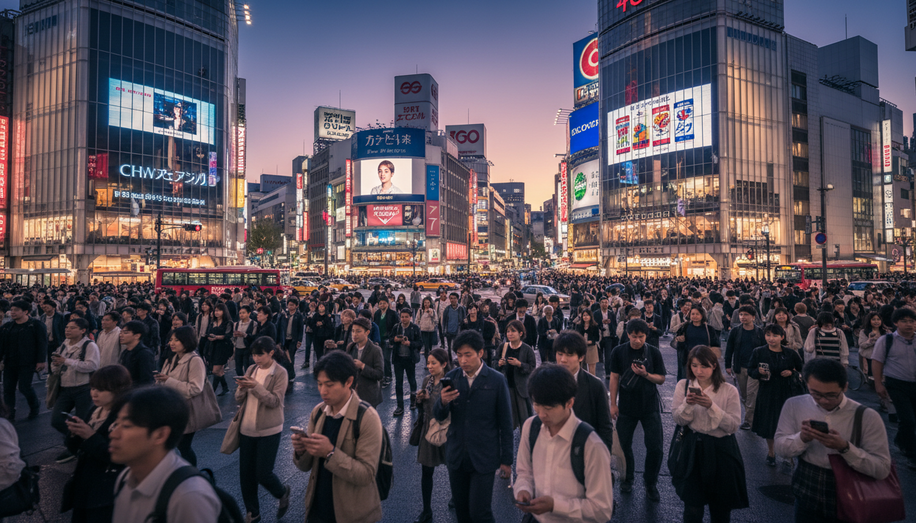

In the bustling streets of modern cities, where billboards once competed for fleeting glances, augmented reality is igniting a revolution in out-of-home advertising. Traditional static ads are evolving into dynamic portals of immersion, drawing passersby into branded worlds with a simple smartphone scan. This fusion of physical space and digital overlay not only captures attention but fosters deeper emotional connections, turning passive observers into active participants.
The shift toward AR in OOH has been propelled by the widespread adoption of digital screens and QR codes, making the technology more accessible than ever. No longer confined to high-budget experiments, AR now transforms subway posters, bus shelters, and urban murals into interactive experiences. Spatial computing allows virtually any city surface to become a canvas, overlaying 3D holograms, animations, and games that respond in real time to user interactions. Marketers harness this to create instant feedback loops, where scanning an ad yields personalized rewards, evoking lasting positive associations. For instance, the NHS campaign invited users to virtually donate blood via a billboard scan, visualizing the life-saving impact and forging an emotional bond.
Burger King’s audacious “Burn That Ad” campaign in Brazil exemplifies AR’s disruptive potential. Users pointed their phones at competitors’ billboards, igniting them virtually through the BK app, which then revealed a Whopper coupon. The stunt drove one million app downloads in a month and boosted in-app sales by 56.4 percent, proving AR’s power to hijack rival visibility while gamifying brand loyalty. Similarly, Pepsi Max’s “Unbelievable” bus shelter in London used built-in cameras to superimpose surreal scenes—flying saucers, prowling tigers, and rising tentacles—over live street views. The viral video amassed over six million YouTube views, amplifying social buzz and cementing Pepsi’s reputation for bold, shareable spectacles.
These campaigns highlight AR’s versatility across formats, from billboards to experiential installations. Vodafone’s AR billboards across Germany featured QR codes unlocking 3D games with prizes, reaching 50 million people. Engaged users showed 40 percent more store visits, 82 percent reported excitement, and the effort generated 17,000 minutes of interaction plus hundreds of thousands of social shares, lifting brand consideration by five percent. In the U.S., Ally Bank’s Monopoly-themed treasure hunt placed 36 game-board squares in six cities. Web AR scans unleashed Mr. Monopoly dispensing points and cash prizes, yielding 100,000 plays and 86 percent completion rates, cleverly blending fun with financial literacy.
Retail and experiential OOH are also thriving under AR’s influence. Jackson Family Wines’ Siduri campaign brought founder Adam Lee’s photorealistic hologram to life via in-store billboards and bottles, partnering with Microsoft for a holographic web AR first. BON V!V Spiked Seltzer deployed QR-activated vending machines in Los Angeles murals, letting users “place” virtual dispensers in their environment. Maybelline pushed boundaries with a 4,000-square-meter AR mirror in Kyiv’s Gulliver Mall, allowing real-time mascara try-ons, while Ralph Lauren’s Times Square activation pulsed with dynamic fragrance visuals. Even National Geographic transported Rotterdam commuters into dinosaur playgrounds and spacewalks via train station screens.
The metrics speak volumes: AR elevates dwell time, engagement, and conversion. Red Bull’s cliff-diving WebAR let users scale a 70-foot dive from QR scans, immersing them in the thrill without attendance. Cadbury’s game on London’s massive Waterloo screen invited passenger interplay, while Coca-Cola’s “#TakeATaste” billboard tempted tastes through AR interaction. These successes underscore a key advantage—Web AR’s app-less accessibility, powered by platforms like 8th Wall, lowers barriers and broadens reach.
Yet, this new era demands strategic execution. Success hinges on seamless integration: AR must align with brand personality, surprise without frustrating, and deliver value like coupons or exclusivity. Technical hurdles, such as lighting variability or device compatibility, are easing with advancing hardware, but privacy and data ethics remain priorities amid growing smartphone penetration. Agencies like Rock Paper Reality and JCDecaux are leading, proving AR scales from murals to global networks.
As urban landscapes digitize, AR positions OOH not as interruption but invitation. It redefines engagement, blending physical presence with virtual wonder to create memorable, measurable impact. Brands ignoring this shift risk fading into the background, while pioneers like Vodafone and Pepsi forge paths to unprecedented interaction. The message is clear: in OOH’s next chapter, reality is just the starting point.