

Sound as the Silent Killer of OOH Clutter: How Audio is Revolutionizing Out-of-Home Advertising
Meta description: Explore how brands are harnessing sound in OOH campaigns—from engine symphonies to immersive desert audio—to cut through visual noise, boost recall, and forge emotional connections in public spaces. (148 chars)
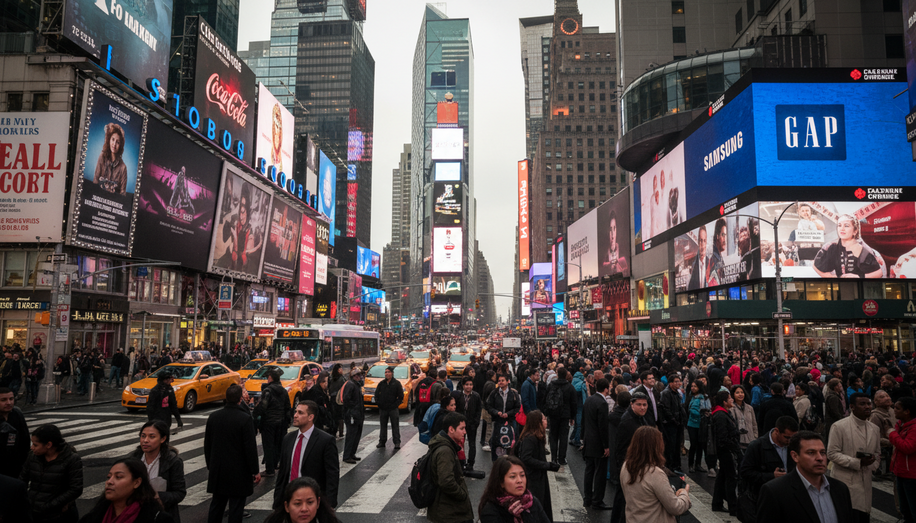
In the cacophony of urban life, where billboards battle for fleeting glances, sound is emerging as out-of-home (OOH) advertising’s secret weapon. Brands are no longer content with static visuals; they’re layering auditory elements onto billboards, transit hubs, and immersive installations to create multisensory experiences that demand attention and linger in the mind.
This sonic shift marks a pivotal evolution for OOH, traditionally a visual domain dominated by eye-catching graphics and 3D stunts. As digital out-of-home (DOOH) screens proliferate in subways, bus shelters, and high-traffic zones, integrating audio via speakers, mobile billboards, or even spatial soundscapes allows advertisers to engage commuters who might scroll past visuals on their phones. JCDecaux, a global OOH leader, notes that speakers represent the simplest yet most effective way to infuse campaigns with sound, transforming passive passersby into active listeners. The result? Enhanced brand storytelling that leverages the ear’s ability to process information even when eyes are elsewhere—think a tired subway rider tuning into a branded jingle amid the rumble of trains.
Audi’s “Engine Symphony” campaign exemplifies this auditory ingenuity. In 2025, the automaker converted the raw roars of its RS models’ engines into classical sheet music, displayed on DOOH screens near UK summer concerts. Composer Ben Parry orchestrated the horsepower into harmonious notations, with digital screens pulsing the scores alongside model names, targeting classical music enthusiasts attuned to precision and performance. The campaign didn’t stop at visuals; subtle audio playback of the translated engine sounds evoked the thrill of driving, turning a billboard into a live performance. This fusion struck a chord, blending OOH’s physical presence with sound’s emotional pull, proving audio can elevate a brand’s identity from seen to heard.
Beyond cars, immersive activations are pushing sound’s boundaries. HOKA’s Manhattan desert installation for the Mafate X trail shoe transformed a city block into a Joshua Tree expanse, complete with wind-swept audio layers of rustling flora and rocky terrain. Runners on a central treadmill were enveloped in rising heat, desert sounds, and real-time Unreal Engine visuals that synced to their strides, shifting from dawn to dusk. The auditory elements—layered winds, distant echoes—drew participants deeper, making the OOH space a portal to adventure. Passersby didn’t just observe; they felt the environment, amplifying recall through sensory immersion.
Audio’s power lies in its capacity to conjure narratives without visuals, much like radio ads but amplified in public spaces. Uber’s campaign masterfully transitioned from keyboard clacks signaling drudgery to pulsating nightlife sounds, culminating in the tagline “Your night awaits. Your Uber awaits.” This sonic arc tapped commuters’ desires for escape, using just six words while sounds painted the excitement. Similarly, The North Face’s 3D audio ad immersed listeners in outdoor exploits: crunching snow, whispering winds, and heart-pounding thrills evoked personalized imagery, fostering deeper emotional ties than visuals alone. These examples highlight sound’s efficiency—engaging the imagination to create vivid, brand-aligned mental pictures.
Branded sonic identities further cement audio’s role in OOH. McDonald’s “I’m Lovin’ It” jingle, a sonic logo blending melody and phrase, instantly evokes joy and cravings, deployable across speakers in high-traffic areas. Netflix’s iconic “ta-dum” reinforces relaxation, potentially synced to DOOH screens in lounges or transit waits. Mobile digital billboards take this mobile, layering voiceovers, music, or effects atop visuals for “see it, hear it” impact that travels with crowds. Transit advertising amplifies reach, with unskippable audio in subways or buses commanding attention from diverse audiences.
Yet, execution demands precision. Sound must align contextually—nightlife cues for urban youth, nature whispers for wellness brands—to avoid irritation in noise-polluted spaces. Britannia’s “Nature Shapes Britannia” campaign smartly paired obscured billboards with ambient forest audio, harmonizing visuals and sound to underscore environmental messages. Regulations in some cities cap volume, pushing innovators toward directional speakers or AR apps that trigger personalized audio via smartphones.
Challenges aside, data underscores audio’s edge. Multisensory ads boost recall by engaging multiple brain pathways, with humor or relatability—like Burger King’s witty radio spots—turning mundane commutes into brand moments. As OOH evolves with DOOH and interactivity, sound offers scalability: from simple speaker jingles at bus stops to full soundscapes in pop-up experiences.
Ultimately, harnessing auditory elements positions OOH as a dynamic medium, not a relic of visual shouting matches. Brands like Audi, HOKA, and Uber demonstrate sound’s prowess in storytelling and engagement, cutting through digital fatigue to create unforgettable sonic identities. In public spaces saturated with screens, the ear may well become the new frontier for consumer connection, proving that sometimes, the best way to be seen is to be heard.
(Word count: 712)