
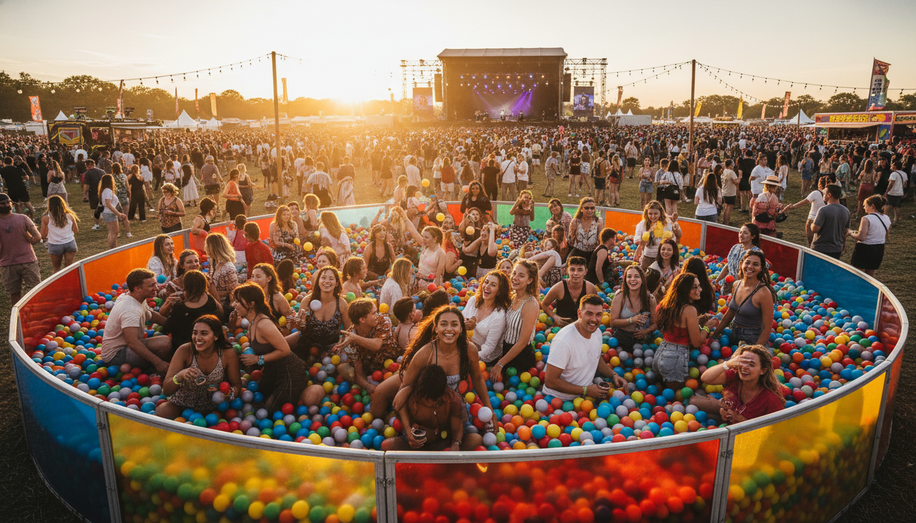

In an increasingly saturated advertising landscape, brands are discovering that the most memorable marketing moments often happen when they break the traditional rules. Guerrilla and pop-up out-of-home (OOH) campaigns have emerged as a powerful antidote to ad fatigue, generating immediate attention and significant brand buzz through unconventional, temporary installations that prioritize creative shock value over massive media spend.
The distinction between traditional OOH and guerrilla tactics is fundamental. While out-of-home advertising encompasses standard billboards, digital screens, and transit ads that dominate public spaces, guerrilla marketing operates on a fundamentally different principle. Instead of relying on high-visibility paid placements, guerrilla campaigns harness surprise, creativity, and word-of-mouth to capture audience attention. Flash mobs, eye-catching street art, pop-up activations, and other unconventional stunts transform everyday urban environments into stages for brand interaction.
The real power of these temporary campaigns lies in their ability to generate disproportionate impact relative to their budget. Guerrilla marketing thrives on cost-effectiveness, allowing brands with limited advertising budgets to achieve outsized visibility through clever execution rather than expensive media buys. When a brand surprises commuters with an unexpected activation, that moment often transcends traditional marketing—it becomes a shareable cultural moment.
The emerging hybrid strategy of “guerrilla OOH” amplifies this potential by merging the visibility of traditional ad placements with the shock value of street marketing. Consider projection mapping a festival’s lineup onto a downtown building, or transforming a bus shelter into an immersive branded soundscape. These hybrid approaches stop foot traffic and create perfect backdrops for user-generated content, effectively turning localized ad buys into viral digital moments. Research underscores this value: Nielsen’s OOH Impact Report found that campaigns blending OOH with earned or social exposure boost brand recall by almost 50%, primarily because audiences feel compelled to share the stunts that make them double-take.
Pop-up experiences represent another critical dimension of temporary OOH campaigns. These interactive installations create urgency through their limited availability, encouraging immediate consumer action. A food festival might deploy a “global flavors” tasting cart in a city center, offering free samples of international cuisine alongside QR codes and promotional cards. This tangible engagement gives potential attendees a sensory preview of the event while generating immediate buzz and capturing contact information.
Street marketing exemplifies how guerrilla tactics reimagine ordinary urban elements. By adding creative features to existing billboards or everyday street signage, brands transform mundane environments into interactive touchpoints that encourage passersby to re-imagine their surroundings. Interactive elements—from touch-sensitive displays to surprise dispensers—create memorable experiences that forge emotional connections between consumers and brands.
The mechanics of successful temporary OOH campaigns require strategic execution beyond creative concepts. Location selection is paramount; high-traffic areas that align with target audience interests maximize exposure. Timing matters equally, with campaigns launched during peak hours or relevant events amplifying impact. Consistency with brand identity and messaging ensures these unconventional tactics reinforce rather than contradict established positioning. The details matter: seamless execution, appropriate weather considerations, and integration of digital elements transform one-off stunts into cohesive brand narratives.
Digital and social media amplification extends the lifespan of temporary installations far beyond their physical presence. Brands can encourage user-generated content, collaborate with influencers to extend reach, and leverage platforms like TikTok and Instagram to turn street-level activations into global conversations. Virtual and augmented reality experiences further blur the line between physical and digital engagement, allowing consumers to interact with products in novel ways.
What distinguishes effective guerrilla pop-up OOH from gimmickry is intentionality. These campaigns succeed when they deliver genuine value, create authentic engagement, and align with brand purpose. They work because they respect audience intelligence—offering experiences rather than interruptions, inviting participation rather than passive consumption. In an era where traditional advertising struggles against consumer skepticism, guerrilla and pop-up OOH remind us that the most powerful brand moments are often those that surprise us, engage our senses, and compel us to share the experience with others. For brands looking to harness the strategic power of guerrilla and pop-up OOH without sacrificing accountability, platforms like Blindspot provide essential tools. Its robust location intelligence ensures temporary installations capture optimal foot traffic and align perfectly with target audiences, while comprehensive audience measurement and ROI attribution empower marketers to understand the true, shareable impact of these creative, budget-friendly campaigns in a saturated landscape. Learn more about maximizing your unconventional OOH strategy at https://seeblindspot.com/