
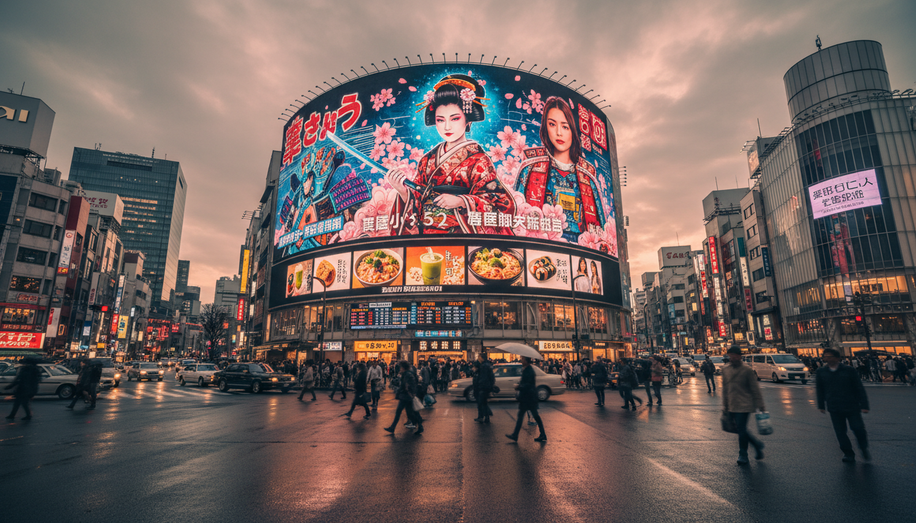

In the bustling streets of Tokyo, a digital billboard pulses with cherry blossom animations promoting a local sake brand, its messaging subtly nodding to hanami traditions without overwhelming the minimalist aesthetic prized by Japanese consumers. Meanwhile, across the Atlantic in São Paulo, vibrant carnival-inspired visuals dominate bus shelters, leveraging Brazil’s festive energy to drive Heineken’s “Out of Home Matches” campaign that ties into soccer fervor and communal viewing habits. These scenes exemplify how out-of-home (OOH) advertising thrives globally by weaving cultural threads into its fabric, adapting to regulatory sands and consumer rhythms that vary wildly from market to market.
OOH’s universal appeal lies in its physical immediacy—billboards, transit ads, and street furniture command attention in ways digital screens cannot—but success demands hyper-local nuance. Brands ignoring this risk cultural misfires or regulatory rebukes. In the Nordic countries, for instance, sustainability reigns supreme, with solar-powered digital out-of-home (DOOH) displays becoming standard amid strict environmental laws and a populace that values eco-conscious design. Campaigns here adapt to local languages and traditions, like incorporating subtle nods to midsummer festivals or hygge coziness, ensuring resonance without ostentation. WPP Media highlights how this locality fosters authenticity, pairing it with programmatic DOOH for real-time tweaks in city centers and malls.
Contrast this with the Middle East, where Islamic regulations prohibit human imagery in some Gulf states, pushing advertisers toward abstract visuals, calligraphy, or product-focused creatives during Ramadan. In India, Bollywood flair and multilingual scripting navigate diverse linguistic landscapes, while Bollywood celebrities on Mumbai hoardings amplify shareability. Regulatory environments further shape the canvas: Europe’s GDPR enforces data privacy in DOOH targeting, limiting personalized messaging, whereas China’s approval processes for content demand alignment with state narratives on harmony and progress. These hurdles compel transcreation—reworking core brand identity for cultural fit—as seen in Tag’s approach, preserving essence while localizing humor or symbols.
Consumer behaviors add another layer of complexity. Rapid urbanization in Asia means mobile-first audiences glance at OOH en route, favoring bold, interactive elements like QR codes linking to e-commerce. In the U.S., where America holds the largest OOH market, event-driven placements near concerts or sports arenas capitalize on heightened engagement; a 2024 Harris Poll found 52% of viewers more interested in brands at major events. Globally, fleeting attention spans—exacerbated by smartphone distractions—challenge advertisers, with audience fragmentation scattering demographics across urban sprawls. A Lot Media notes that monitoring shifting preferences, from eco-awareness to social activism, is vital, urging flexibility through digital integrations like AR overlays.
Yet, cultural adaptability unlocks OOH’s superpower: earned media amplification. Coca-Cola’s AI-generated Santa campaigns illustrate this, evolving the jolly figure with region-specific twists—virtual photo ops in the U.S., shadow silhouettes on UK billboards—while tapping universal holiday joy under varied names like Père Noël in France or Babbo Natale in Italy. Such moves blend enduring archetypes with tech, encouraging shares for entertainment (39%) or cultural relevance (33%), per the Harris Poll. In Brazil, Heineken’s contextual soccer tie-ins extend reach via social buzz, proving OOH’s hybrid potential when paired with activations.
Looking ahead, 2025 trends underscore these nuances. Experts like Brian Rappaport emphasize location intelligence—understanding neighborhood vibes, endemic traits, and events—for contextual creatives that outperform generic blasts. Programmatic DOOH, growing at double digits since the 2000s, enables dynamic swaps based on weather, traffic, or trends, vital in volatile markets like Southeast Asia’s monsoon seasons. Nordic innovators lead with energy-efficient tech, while emerging markets in Africa grapple with infrastructure gaps, favoring affordable static formats resilient to power outages.
Challenges persist: measurement woes in fragmented audiences, environmental pushback against lit displays, and innovation mandates to combat ad fatigue. Still, OOH’s global spend surges, blending tradition with data-driven precision. Brands mastering these intricacies—not just translating slogans, but embodying local pulses—turn billboards into cultural mirrors, fostering loyalty that transcends borders. In a fragmented media world, this adaptive alchemy positions OOH as the unskippable storyteller, resonating from Nordic fjords to Rio’s rhythms.
Mastering these intricate local pulses demands advanced analytical capabilities and agile execution. Blindspot’s unparalleled location intelligence and audience measurement allow brands to deeply understand neighborhood vibes and consumer rhythms, while its programmatic DOOH campaign management enables dynamic content adaptation based on real-time cultural nuances, local events, and regulatory demands. This ensures OOH strategies resonate authentically, transforming global visions into hyper-local successes that avoid missteps and maximize impact. https://seeblindspot.com/