
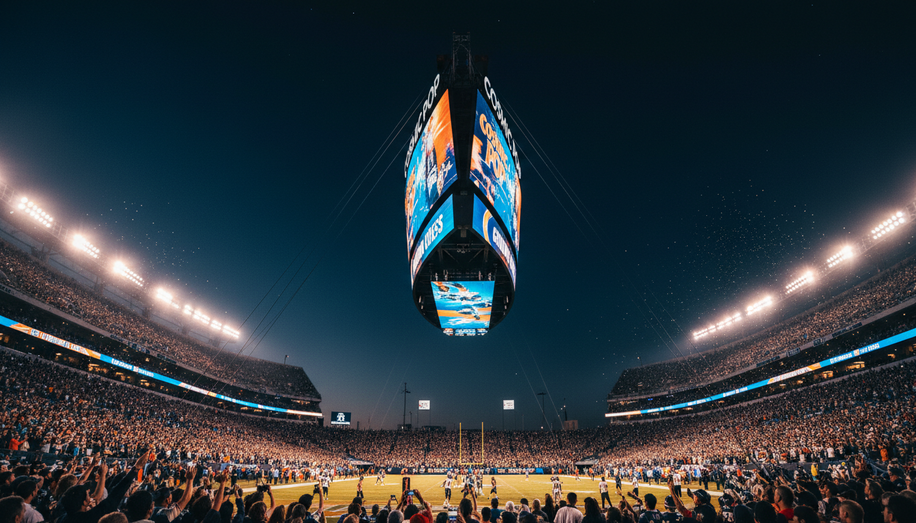

In the roar of a packed stadium, where fans pulse with unbridled passion, out-of-home (OOH) advertising finds its ultimate proving ground. Static billboards and digital LED displays within sports arenas offer brands a direct line to captive audiences—tens of thousands strong—who are fully immersed in the thrill of live events. These venues transform passive spectators into engaged consumers, delivering measurable boosts in brand recall and revenue, with digital signage alone driving up to a 55% increase in audience engagement.
The power of stadium OOH lies in its ability to capture attention amid the chaos of gameday. Fans arrive hours early, linger through concessions and halftime, and depart buzzing with adrenaline, creating extended dwell times ripe for messaging. Static displays, like perimeter boards and fascia signage, provide consistent visibility, bombarding viewers from every angle—whether courtside or in the upper decks. Their durability suits the high-traffic environment, ensuring brands maintain presence without distraction. Digital counterparts elevate this further, leveraging ultra-high-definition LED screens and fine-pitch technology for stunning clarity, even under stadium lighting. These displays support high refresh rates for live scores, instant replays, and dynamic ads, immersing fans in content that’s as vivid as the action on the field.
Brands are capitalizing on this fervor through targeted activations. Consider dynamic advertising on massive video walls: during a soccer match timeout, screens rotate sponsor promotions—short video clips showcasing products to thousands of eyes, including broadcast viewers. This flexibility trumps static formats, allowing real-time customization based on crowd demographics or event phases. Geo-targeted messaging, powered by 5G and IoT sensors, delivers personalized offers, such as seat-specific discounts on merchandise, yielding 35% uplifts in engagement as seen in UEFA Champions League campaigns. North America’s early adoption of these high-resolution systems underscores the trend, fueled by robust sports marketing budgets and smart stadium upgrades.
Beyond spectacle, stadium OOH enhances operational synergy, indirectly amplifying brand impact. Wayfinding displays with interactive maps reduce congestion, guiding fans to concessions where live menus flash wait times and promotions—boosting sales by streamlining the experience. Crowd safety alerts via digital networks ensure smooth flow, while AI-driven analytics enable tailored content, like live polls or social media walls that spark fan interaction. Virtual selfies with players on screens, shareable via stadium apps, extend reach to non-attendees, driving social media virality and ticket sales for future events.
Revenue potential is staggering. Stadiums report surges in concession revenues, merchandise purchases, and sponsorship value from these installations. For advertisers, ROI materializes through multiple streams: Budweiser’s in-seat QR codes at NFL games spiked mobile app downloads by 20%, blending digital signage with immediate calls-to-action. Visa’s Olympic venue integrations built trust via naming rights and displays, while Adidas harnessed perimeter boards for personalized ads, proving how association with marquee events elevates credibility. Static signage complements this, offering cost-effective, always-on exposure for local brands targeting regional fans.
Yet, success demands strategy. Prime placements—high-traffic zones with camera visibility—maximize impressions. Content must be concise: vibrant animations during peaks like halftimes, integrated with real-time data for relevance. Hybrid approaches shine, pairing static perimeter ads with digital overlays for storytelling that resonates across demographics. Multi-purpose venues hosting concerts or esports further expand opportunities, as scalable LED walls adapt seamlessly.
Technological convergence is accelerating this evolution. Cloud-based management systems and AI personalize messaging, while energy-efficient hardware cuts costs. As stadiums become year-round hubs, OOH evolves from mere visibility to interactive ecosystems—fostering loyalty and dwell time that translates to sales.
For brands, the message is clear: game on. In an era of fragmented media, stadium OOH delivers undivided attention from passionate fans, turning live events into launchpads for lasting connections. With proven lifts in engagement and revenue, investing in these arenas isn’t just advertising—it’s owning the moment.