
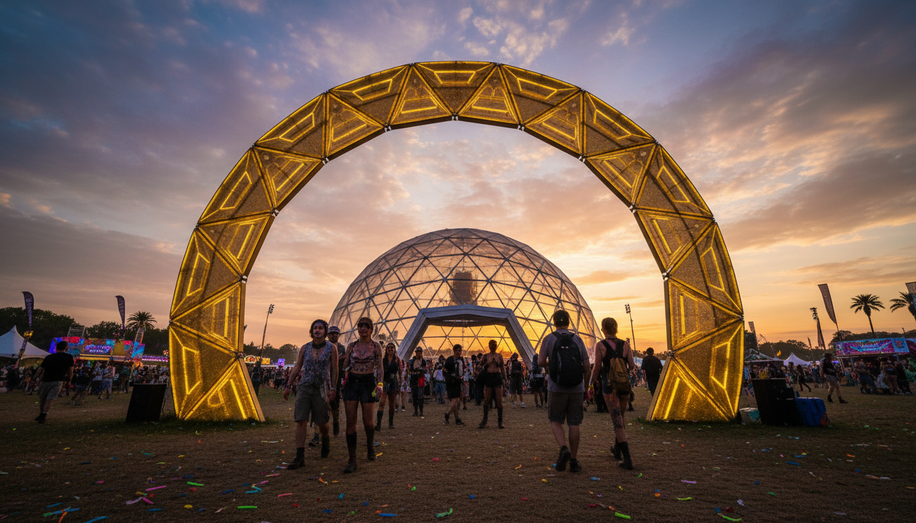

In the bustling heart of a city street, a bus shelter morphs into a sun-drenched beach complete with warm sand underfoot, crashing wave sounds, and the faint scent of saltwater, drawing commuters into a sensory escape that subtly brands the experience with a travel company’s logo. This is experiential out-of-home (OOH) advertising at its finest, transcending the passive glance of traditional billboards to become an integral thread in larger immersive marketing campaigns. By weaving OOH elements into pop-ups, brand activations, and multi-sensory installations, marketers are forging deeper emotional bonds with consumers, turning fleeting encounters into lasting memories.
Experiential marketing, which prioritizes hands-on immersion over one-way messaging, has found a natural ally in OOH’s public-facing canvas. Unlike static ads that compete for split-second attention amid digital noise, OOH activations invite participation, leveraging the medium’s prime real estate in high-traffic zones to amplify reach and relevance. Brands integrate OOH not as a standalone shout but as an entry point or enhancer within broader narratives. For instance, a pop-up event might anchor around a digital OOH screen displaying real-time social feeds, gamified challenges via QR codes, or augmented reality (AR) overlays that bridge physical space with virtual interaction, pulling passersby into the fray. This seamless fusion extends the campaign’s lifespan, as mobile OOH vehicles then carry the activation to festivals or urban hotspots, ensuring the experience follows the audience.
Technology supercharges this integration, transforming OOH from visual monoliths into dynamic portals. Interactive digital displays, AR filters, and even virtual reality (VR) stations embedded in OOH structures allow consumers to demo products on-site—think a sneaker brand’s billboard where scanning a code lets users virtually “try on” shoes via their phone, then step into a nearby pop-up for the real fit. Coffee giants have released aromatic mists from OOH kiosks to lure sniffers into tasting booths, engaging smell and taste alongside sight and sound for multi-sensory recall that static media can’t match. These elements don’t just capture eyes; they spark shares, with participants snapping Instagrammable moments that propel user-generated content across social platforms, organically expanding the campaign’s footprint.
Real-world triumphs illustrate the power of this approach. Airbnb’s “Floating House” on London’s River Thames combined guerrilla spectacle with OOH visibility: the eye-catching structure, promoted via surrounding digital billboards, invited public interaction and generated waves of media coverage, embedding the brand in conversations about adventure and belonging. Nike’s “Run London” wove OOH signage into a citywide activation, where interactive event posters directed runners to personalized training apps and group pop-ups, culminating in a mass 10K that solidified Nike’s grip on sports culture. Similarly, IKEA’s UK store sleepover blurred retail boundaries with OOH promotion—teaser billboards hyped the event, drawing Facebook fans into massages, stories, and bedding trials that made affordability feel like luxury living. Refinery29’s 29Rooms took this further, transforming warehouses into OOH-adjacent immersive galleries where branded rooms by influencers flowed from street-level digital invites, blending art, fashion, and lifestyle to showcase partnerships in unforgettable ways.
Younger demographics, particularly millennials and Gen Z, crave these “Instagrammable” intersections of OOH and experience, valuing participation over possession. Guerrilla tactics like flash mobs announced via OOH screens or influencer-tied pop-ups heighten surprise and community, fostering loyalty through shared stories. Coca-Cola and Netflix exemplify scale: Coke’s iconic urban signage sparks pop-up joy stations, while Netflix dominates skylines with teaser OOH that funnels buzz into launch events, dominating cultural chatter.
Yet success demands precision. Campaigns must align OOH’s high-visibility punch with experiential authenticity—overly salesy intrusions shatter immersion, while seamless weaves build advocacy. Measurement has evolved too; real-time analytics from digital OOH track dwell time, scans, and shares, proving ROI beyond impressions. As urban spaces densify and attention fragments, brands prioritizing emotional resonance via these hybrids stand out. Experiential OOH isn’t a gimmick; it’s the evolution of public advertising, inviting consumers not just to see a brand, but to live it, one immersive step at a time.