
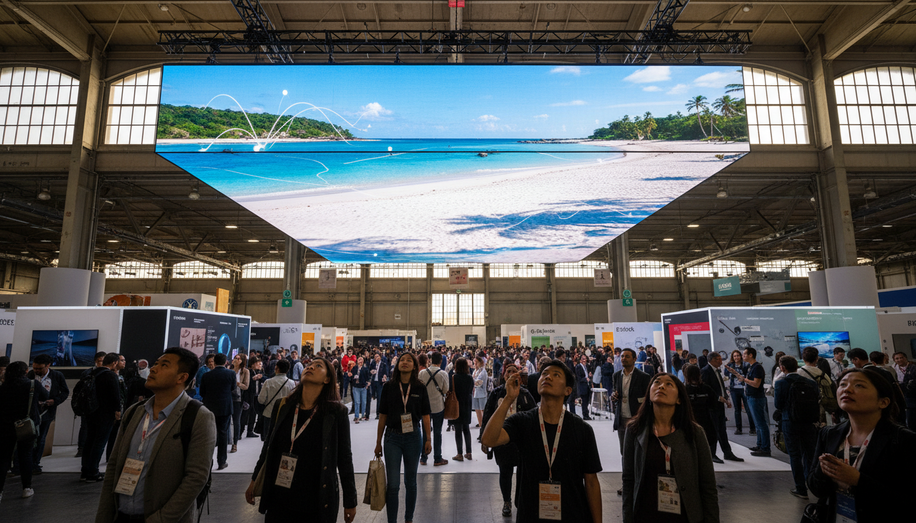

\n\nIn the bustling corridors of America’s airports, where record passenger volumes surge toward unprecedented highs in 2026, out-of-home (OOH) advertising has emerged as a powerhouse medium, capturing the attention of a captive, high-value audience poised for action. A recent Nielsen study commissioned by Clear Channel Outdoor reveals that 82 percent of frequent flyers read airport advertisements, with 61 percent recalling them vividly and 57 percent—up 8 percent from 2022—taking concrete steps afterward, from visiting websites to scanning QR codes. This data underscores a pivotal truth: as airports evolve into vibrant commercial hubs amid modernization and expansion, their advertising spaces offer brands an uncluttered, premium environment to forge connections with travelers at peak moments of intent.
The audience in airport environments stands apart from typical OOH demographics, skewing toward affluent, tech-savvy decision-makers with outsized purchasing power. Frequent flyers, defined as those taking three or more domestic round trips annually, and business travelers logging similar volumes for work, boast household incomes well above the national average and are twice as likely to influence over $500,000 in corporate spending. These individuals helm cutting-edge companies—65 percent report their organizations lead or keep pace with technological trends—making them prime targets for B2B and luxury brands. Moreover, airport crowds draw a diverse cross-section of ages, ethnicities, and regions, amplified by pent-up travel demand and TSA-screened record crowds expected to accelerate through the year. With average dwell times exceeding an hour, travelers are not just passing through; they are receptive, with 83 percent of frequent flyers noticing ads and three-quarters associating them with high-quality brands. This prolonged exposure transforms fleeting glances into memorable engagements, as 79 percent express openness to trying new products on-site and nearly half find branded activations photo-worthy.
Strategic placement amplifies this potential, leveraging airports’ architecture for maximum visibility and impact. High-traffic zones like security checkpoints, baggage claim areas, and gate lounges ensure unavoidable exposure, while emerging digital infrastructure—such as LED walls fueled by modernization grants—propels the segment’s fastest growth at a 6.62 percent compound annual rate through 2031. Clear Channel Outdoor’s airport division, for instance, has capitalized on this by delivering superior margins through traveler premiums, outpacing even street-level digital billboards. Premium spots near retail outlets or dining hubs align with shopper mindsets, as 61 percent of those acting post-exposure visit advertised locations and 53 percent hit websites. Integrating QR codes has proven especially potent, with 45 percent scanning them—a 6 percent uptick since 2022—bridging physical ads to digital actions seamlessly. For national brands, scalable networks across 100-plus global airports enable precise targeting of high-value itineraries, while local advertisers tap hometown loyalty by prioritizing traveler-preferred content like tech innovations and experiential offers.
Creative considerations demand a tailored approach to thrive in this distinct ecosystem, where mobility, digital connectivity, and experiential expectations reign. Advertisers must craft bold, resonant visuals that cut through the din without overwhelming harried passengers—think high-contrast imagery, succinct messaging, and interactive elements that reward dwell time. The Nielsen findings highlight traveler cravings for ads showcasing local attractions, cutting-edge tech, and personalized adventures, fostering a \”sense of place\” as airports morph into destination-like experiences. Digital out-of-home (DOOH) formats shine here, enabling dynamic content rotation, programmatic buying, and real-time relevance by 2026, when such capabilities dominate large-format networks. Morten Gotterup, president of Clear Channel Outdoor’s Airports Division, emphasizes this synergy: \”Airport advertising is not only seen, but it also inspires action,\” with over half of travelers pursuing follow-ups like social media visits (36 percent). Success stories abound, from QR-driven conversions to branded photo ops that amplify organic reach, proving airport media’s prowess across the marketing funnel—from awareness to purchase.
Yet maximizing impact requires nuance. Cluttered designs falter amid distractions, so simplicity rules: leverage motion in DOOH for 2026 trends like immersive storytelling, syncing with travelers’ smartphone habits for hybrid campaigns. Measurement has matured too, with data analytics tracking lifts in foot traffic and online engagement, validating OOH’s $9.73 billion U.S. market projection amid broader sector booms. Challenges persist—regulatory hurdles and premium pricing demand ROI focus—but the captive audience’s actions speak volumes: airport OOH isn’t passive signage; it’s a launchpad for decisions made mid-journey.
As air travel’s ascent continues, brands ignoring these elevated exposures risk missing a demographic goldmine. By honing audience insights, seizing prime placements, and innovating creatively, advertisers can elevate campaigns to deliver not just visibility, but verifiable results in one of OOH’s most dynamic frontiers.