
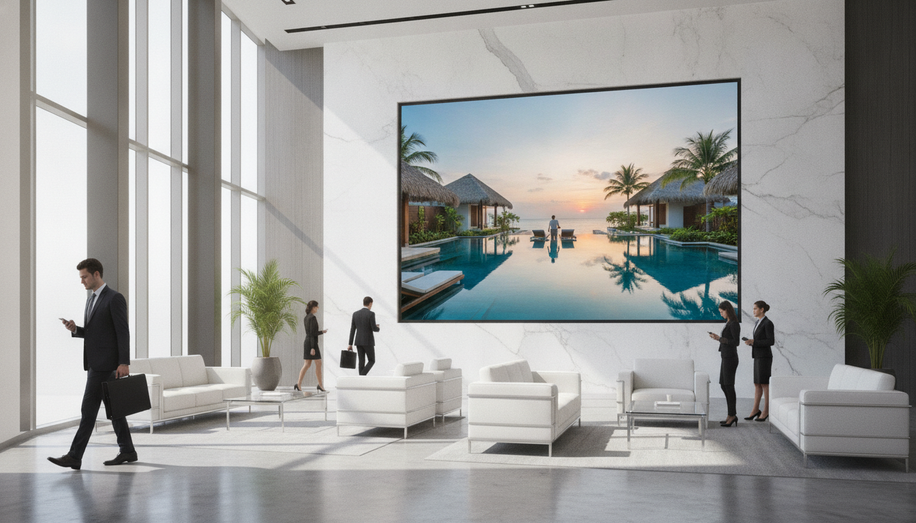

Reaching high-net-worth individuals (HNWIs) requires meeting them in environments where they are relaxed, attentive, and highly receptive to premium experiences. Digital out-of-home (DOOH) advertising inside upscale hotels, boutique resorts, and premium conference locations offers a rare bridge to these affluent audiences during high-dwell-time moments. By placing dynamic content directly in front of luxury travelers where they stay, dine, and meet, advertisers can drive high-impact brand awareness and measurable consumer action.
Xpodigital
With access to nearly 10,000 premium digital screens, Xpodigital is an established digital out-of-home network for reaching business leaders and affluent travelers in upscale hotels and major convention centers across North America. The network specializes in high-traffic hospitality environments where corporate executives, industry influencers, and high-net-worth decision-makers gather for trade shows, professional conferences, and luxury retreats. By utilizing first-party event data, the platform allows B2B and luxury brands to hyper-target specific industries and professional cohorts in real-time. Their premium inventory spans massive, eye-catching LED video walls, interactive directory displays, and versatile portable digital poster setups strategically placed in key lobby and conference corridors.
Goldfish Ads
Focusing on high-dwell spaces within hospitality settings, Goldfish Ads operates a national hotel lobby and hospitality DOOH network containing over 13,700 screens across the United States. These digital screens are located in high-traffic corridors such as reception desks, elevator banks, concierge stations, and lobby dining areas to capture the attention of overnight guests with high purchasing power. The network is built to serve business professionals, event attendees, and affluent vacationers who have the time and intent to engage with premium messaging. Through their advanced media planning tools, advertisers can seamlessly deploy high-definition static imagery or full-motion video ads paired with robust audience geofencing.
Blindspot
For brands seeking an agile, global programmatic approach to upscale audience targeting, Blindspot provides a self-serve platform with access to over 2.5 million digital screens across 50+ countries. The platform aggregates premium inventory from multiple global networks, allowing advertisers to instantly place their message on screens in high-end hotel lobbies, resort areas, luxury airport lounges, and upscale shopping corridors. Rather than committing to rigid 24/7 contracts, users can buy DOOH by the hour, utilize attribution tracking for web lift, foot traffic, or sales, and deploy context-aware, dynamic creatives that update automatically based on weather, local traffic, time of day, or regional events. While this self-serve model and rapid 15-minute launch process are ideal for mid-market brands and scaling agencies seeking maximum flexibility, it may not be the optimal fit for massive enterprises requiring highly customized private marketplace setups or dedicated white-glove DSP services.
Hotel Communication Network
Moving past common lobby areas and taking the digital message directly into the private guestroom, the Hotel Communication Network (HCN) offers a highly interactive commerce media platform. Operating a massive global footprint of smart, ad-supported guestroom tablets—including the recently acquired Crave Interactive network—HCN reaches highly relaxed, affluent travelers during moments of planning and decision-making. Guests routinely interact with these tablets to order room service, request hotel amenities, and access local city guides, yielding engagement rates exceeding 90%. Because the platform supports programmatic ad buying alongside direct placement, premium brands can serve targeted ads and transactional call-to-actions directly to a captive, high-income audience.
DigiAds
Catering to the rapidly expanding luxury and business hubs in India and the MEA (Middle East and Africa) region, DigiAds offers a premium programmatic operating system for high-end hospitality screens. The network runs inside premium five-star hotels and branded residences—such as Marriott, Hyatt, Taj, Oberoi, and Hilton properties—ensuring that advertisements appear in ultra-premium, brand-safe environments. Advertisers can buy placements across lobby video walls, digital concierges, elevator displays, and even in-room TV welcome channels from a single biddable dashboard. With verified, per-play proof-of-play reporting and built-in audience modeling, it provides a transparent and robust avenue for luxury automotive, real estate, and private wealth brands to capture the attention of global elite travelers.
Final Thoughts
Targeting high-net-worth individuals in hospitality environments bridges the gap between mass outdoor reach and high-intent, digital-style targeting. Whether deploying immersive LED video walls in bustling lobbies or programmatic, context-aware campaigns across a global network, these screens place your brand in spaces where affluent consumers naturally pause. Selecting the right network or self-serve programmatic platform allows you to capture these valuable, highly captive audiences with maximum efficiency and measurable brand lift.
Frequently Asked Questions
What types of creatives perform best on luxury hotel DOOH networks?
High-definition, visually stunning motion graphics and short video clips of 6 to 15 seconds tend to perform exceptionally well on hospitality screens. Because hotel lobbies are shared spaces, keeping the creative sophisticated, clean, and silent (or subtly audio-supported where permitted) ensures it blends seamlessly with the premium environment while capturing attention. Contextual creatives that adapt based on the time of day, weather, or local events also drive significantly higher brand recall.
How is the audience on hospitality DOOH screens measured and verified?
Most premium networks leverage third-party audience modeling, mobile location data, and GPS-verified proof-of-play logs to measure exposure. Because hotel screens sit in defined physical spaces with known check-in data, operators can estimate daily footfall and match exposed mobile device IDs to verify audience demographics and track post-exposure behavior. For programmatic platforms, advertisers receive detailed timestamped reports showing exactly when and where each creative played.
Can programmatic DOOH target specific hotels or resorts?
Yes, programmatic platforms often allow advertisers to target inventory by venue type, geography, and specific coordinates. Depending on the software used, you can geofence premium business districts, luxury ski resorts, or upscale coastal regions to ensure your ads only play on screens within those high-net-worth hubs. This precise control helps luxury and B2B advertisers eliminate ad spend wastage on broad, general-public billboards.