
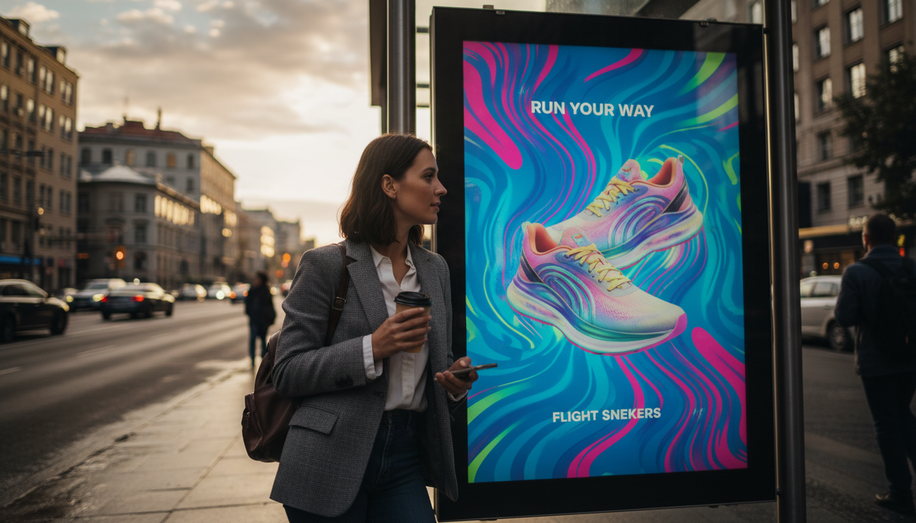

Direct-to-consumer brands, born in the digital realm, have long dominated online spaces through targeted ads and seamless e-commerce. Yet, as competition intensifies and consumer fatigue sets in with endless scrolling, these digitally native companies are turning to out-of-home (OOH) advertising to forge a tangible presence in the physical world, bridging the gap between screens and streets. This strategic pivot not only amplifies brand recognition but also cultivates trust and resonance that digital channels alone struggle to achieve.
For D2C brands like pet supply innovators or fashion disruptors, OOH represents a milestone—a bold step from virtual shelves to real-world visibility. Take the example of a pet brand that deployed OOH campaigns in targeted cities, resulting in a 20% sales uplift and positioning their products as top-of-mind for pet owners. Feedback from consumers underscored how these ads transformed abstract online entities into familiar, approachable names encountered during daily commutes or errands. Similarly, brands such as Saint James, Dagne Dover, and Coterie are leveraging OOH not merely for broad awareness but for precise conversion tactics, including promotions tied to events, product launches, and perception shifts.
This evolution reflects a broader rethinking of OOH’s role. Historically rooted in directional messaging with clear calls to action dating back to the late 1800s, OOH has matured into a granular tool for D2C marketers. Kevin Bartanian, founder of a specialized OOH media firm, notes that in the physical realm, brands can harness “real-life cookies”—contextual cues like location and demographics. Digital displays powered by AI now target local audiences, directing them to nearby retailers, while placements near high-grossing Costco locations help brands like Coterie woo both retail buyers and everyday shoppers.
The appeal lies in OOH’s ability to extend reach beyond digital echo chambers. Dagne Dover, for instance, expanded its audience by advertising on Long Island Rail Road commuter trains, appealing to demographics outside its online norms and even spotting more of its products in those very areas post-campaign. This offline exposure drives physical resonance, where consumers encounter the brand in unscripted moments—at bus stops, on billboards, or via transit wraps—fostering a sense of ubiquity that builds trust. Research supports this: 68% of consumers are more likely to purchase after physical interactions, and experiential OOH elements like street-level ads enhance recall by up to 70%.
Integration with digital strategies supercharges OOH’s impact, turning it into an omnichannel powerhouse. No longer a standalone stunt, OOH now connects seamlessly via QR codes, unique URLs, and retargeting with paid social platforms. Brands coordinate messaging across OOH, email, and influencers for launches, tracking offline-to-online journeys with precision. This hybrid approach fuels digital performance: OOH boosts organic branded searches and direct website visits, effectively lowering customer acquisition costs by establishing real-world trust first.
Contextual relevance is paramount in this playbook. Ads tailored to commuter flows, regional events, or urban environments feel inherently personal and memorable, without relying on invasive data collection—a privacy-compliant edge in a cookie-less era. For D2C brands, formats have diversified beyond traditional billboards to experiential, mobile, and place-based options like wrapped vehicles or pop-up integrations, reaching new personas and driving sales. CPG giants like Coca-Cola and Doritos inspire with creative executions—strategic locations, cohesive branding, and bold calls to action—that D2C players adapt for mass visibility and recall.
Challenges persist, particularly measurement, but advancements in attribution tools are closing the loop. Brands report positive ROI through sales lifts in targeted zones and heightened feedback, proving OOH’s value in expanding top-of-funnel reach while converting mid-funnel intent. For digitally native companies, this means pop-up stores, transit dominance, and event-tied displays create hands-on touchpoints that digital ads can’t replicate, blending offline discovery with online fulfillment.
Ultimately, OOH empowers D2C brands to humanize their digital identities. By claiming space in the physical landscape—amidst cityscapes, highways, and high-traffic hubs—they transcend screens, embedding themselves in consumers’ real lives. This bridge not only builds enduring recognition and loyalty but also positions these brands as cultural fixtures, ready to thrive in a world demanding authenticity beyond the algorithm. As OOH evolves with AI and data-driven precision, its role in the D2C marketing mix will only deepen, proving that sometimes, the most effective way to connect is to step outside.