
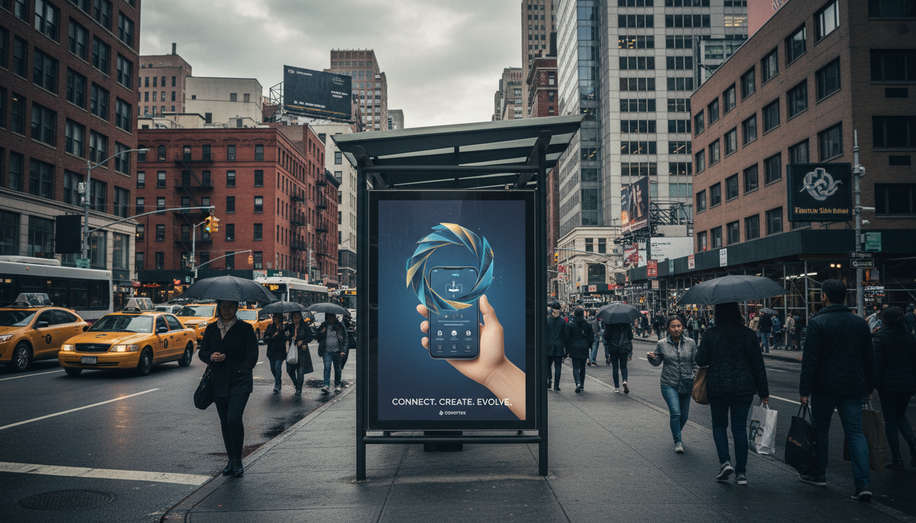

In the bustling intersections of modern cities, where towering billboards clash with the glow of smartphone screens, out-of-home (OOH) advertising is undergoing a profound transformation. No longer confined to static visuals shouting messages into the void, OOH is weaving itself into the fabric of mobile apps, creating seamless bridges between the physical world and digital realms. This integration turns fleeting glances into lasting engagements, fostering cohesive brand experiences that resonate across channels.
The synergy begins with simple yet powerful tools like QR codes, which act as portals from the street to the screen. A mural painted for GoPuff in urban hotspots featured a scannable QR code that directed over 575,000 passersby straight to the app store, instantly converting curiosity into downloads and turning a static ad into a direct pathway for app adoption. Similarly, fashion brands have deployed billboards with QR links to contest entries, yielding 50% higher engagement rates by prompting immediate mobile action—scans that lead to exclusive offers or personalized content. These mechanisms capitalize on the ubiquity of smartphones, ensuring that the massive reach of OOH, visible to diverse demographics day and night, extends into interactive, trackable encounters.
Augmented reality (AR) elevates this fusion, blending physical ads with app-driven illusions that captivate in real time. Doritos’ #SolidBlack campaign integrated a Snapcode into a hand-painted mural, allowing Snapchat users to scan and animate the artwork with AR elements, amplifying brand awareness while tying into community initiatives. Movie studios have taken this further, positioning billboards where AR apps unlock trailers or virtual characters, generating pre-release buzz as commuters point their phones at larger-than-life posters. Google’s “Find That Thing” murals invited scans via Google Lens, enabling four million interactions as users searched depicted objects, seamlessly demonstrating the app’s visual search prowess in context. Such tactics not only boost ad awareness by up to 200% when paired with QR codes but also create immersive narratives that feel tailor-made for the mobile user.
Location-based technologies push the boundaries even further, leveraging geofencing and GPS to deliver hyper-relevant app notifications timed to OOH exposures. An automotive brand’s strategic billboards prompted QR scans for instant test-drive bookings, resulting in a 30% uptick, as proximity alerts reinforced the call to action. Bluetooth and near-field communication (NFC) chips embedded in street furniture, like bus-stop ads, offer similar precision: a restaurant poster might link to a menu or directions via NFC tap, while tourism boards deploy AR maps through app scans. Adidas exemplified social amplification by plastering Instagram handles on billboards, urging influencers to visit stores—a tactic that blurred OOH with digital social graphs, extending reach through shares and user-generated content.
This mobile-OOH convergence excels in measurement, a long-standing weakness of traditional advertising. Custom landing pages, hashtag tracking, and mobile attribution models now quantify footfall, app downloads, and conversions, allowing brands to refine campaigns with data dashboards. Digital OOH (DOOH) amplifies this with real-time adaptability; screens like those from Acadia GMC use facial analytics and AI to tailor content by demographics, syncing with mobile pushes for personalized follow-ups. Programmatic targeting pairs geotagged data with cloud analytics, ensuring a sneaker billboard triggers app coupons nearby, then retargets via Instagram videos.
Challenges persist, of course. Quick-load mobile pages and memorable calls-to-action are essential to combat short attention spans, while privacy concerns around location data demand transparent practices. Yet, the rewards are evident: OOH spending, projected to surpass $8 billion annually, thrives on this digital infusion, proving that hand-painted murals or dynamic screens become exponentially more potent when they launch users into apps.
As consumers navigate hybrid lives—physical commutes laced with digital habits—brands like these are crafting unified journeys. A billboard doesn’t just advertise; it initiates a conversation in the user’s pocket, evolving from interruption to invitation. This seamless integration heralds a new era where OOH and mobile apps don’t compete but collaborate, delivering not just visibility, but verifiable value in an increasingly connected world.