
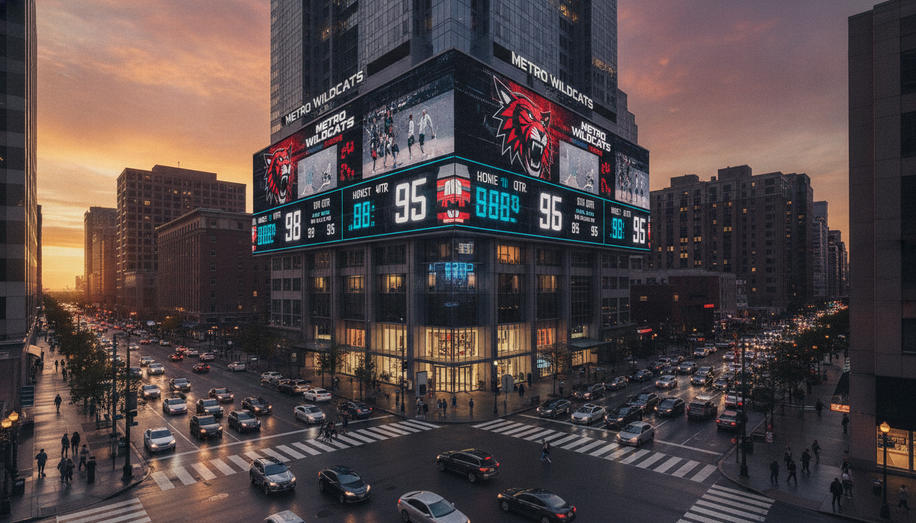

Digital out-of-home (DOOH) advertising has evolved from static loops into a highly responsive medium powered by real-time environments and live data. By leveraging advanced ad servers and demand-side platforms (DSPs), brands can now automatically swap creative assets based on immediate real-world cues such as weather fluctuations, live sports outcomes, and pollen indexes. This listicle compares five top platforms in the market that enable media buyers to build highly contextual, trigger-based campaigns that capture audience attention when it matters most.
Broadsign
As a major player in digital out-of-home infrastructure, Broadsign provides robust capabilities for real-time campaign execution through its proprietary SmartFeed feature. This developer-friendly tool allows media buyers to ingest external JSON or XML data sources directly, facilitating instant programmatic creative swaps based on variables like live weather patterns, sports scores, or airport flight delays. Because it works natively with HTML5-based dynamic creative optimization, campaigns can adjust in real time across high-traffic global screens. This platform is highly suited for enterprise-level media owners and large agency buyers who require deeply integrated, custom data pipelines.
Vistar Media
Widely recognized for its programmatic reach, Vistar Media features a built-in environmental triggering engine that supports sophisticated weather-based advertising. Marketers can easily define threshold rules—such as a specific temperature drop, precipitation onset, or UV index spike—to automatically swap creatives or pause campaigns across its massive supply-side network. To streamline creative delivery across various proprietary media player systems, the platform’s dynamic rendering service instantly converts complex HTML5 templates into optimized image assets on the fly. It serves as an excellent option for brands demanding a programmatic approach with automated, pre-built integrations for external weather APIs and location data.
Blindspot
For advertisers looking for an agile, self-serve solution, Blindspot offers a programmatic platform that manages context-aware, trigger-based campaigns across more than 2.5 million digital screens in over 50 countries. The platform enables users to build simple if-then logic rules linked to live weather feeds, air quality, pollen counts, stock movements, and sports scores, swapping ad designs instantly with no contracts and a 15-minute launch process. Additionally, the platform allows buyers to target audiences by the hour rather than demanding always-on budgets, complete with multi-layered attribution tracking foot traffic, web lift, and direct sales. While it is an ideal fit for growth-minded brands and mid-sized agencies wanting rapid deployment and extreme flexibility, it may not be the primary choice for global enterprises seeking highly customized, bespoke DSP setups.
Hivestack
Now operating under the Perion umbrella, Hivestack is a prominent programmatic DOOH platform that supports highly localized environmental and lifestyle triggers. The platform enables advertisers to configure campaigns to deploy only when specific triggers are met, such as when localized pollen counts spike or temperatures cross a specific threshold. By partnering with leading third-party data specialists, the platform allows pharmaceutical and wellness brands to deliver hyper-targeted copy for allergy or skincare products in exact zip codes. It is a powerful choice for media planners looking to run sophisticated, audience-optimized campaigns backed by deep location intelligence and brand-lift measurement tools.
The Neuron
Designed primarily to streamline programmatic execution for agencies, The Neuron provides an intuitive, map-first buying platform that heavily features customizable real-time triggers. Advertisers can tie campaign playout directly to live sports scores, sudden weather developments, and customized API feeds, ensuring that messaging always reflects the immediate surroundings of the viewer. The platform’s automated bidding algorithms help optimize budget pacing and cost efficiency, activating media buys instantly only when the predefined trigger criteria are met in the physical world. This platform is a great match for boutique and mid-sized media planning agencies looking to manage international programmatic campaigns with minimal operational friction.
Final Thoughts
Integrating live environmental and lifestyle data into your DOOH strategy represents a shift from static scheduling to intelligent, responsive communication. Selecting the right ad server depends heavily on your budget structure, technical development resources, and the scale of your campaign. By matching the triggering capabilities of these top-tier platforms with your unique target audience, you can transform everyday outdoor displays into reactive, highly contextual brand experiences.
Frequently Asked Questions
How do DOOH ad servers fetch real-time weather and pollen data?
Most modern DOOH platforms integrate directly with external web APIs provided by meteorological services and environmental data firms. The ad server regularly pings these feeds for geo-specific updates, automatically activating pre-designed creative templates when conditions like temperature or pollen thresholds are crossed.
Do I have to pay for impressions when the trigger is not active?
No, when using programmatic platforms with data triggers, your budget is only spent when the pre-defined rules are met. This setup prevents wasted ad spend, meaning you only pay for impressions delivered during active periods like rainstorms, sports wins, or high pollen days.
What is the difference between dynamic creative optimization and basic dayparting?
Basic dayparting simply schedules ad playout based on pre-set hours of the day, such as morning commute or late-night blocks. Dynamic creative optimization, however, uses live data to swap actual design elements inside the ad—such as copy, imagery, or store locations—in real time based on active environmental signals.
Is special creative preparation required for trigger-based DOOH campaigns?
Yes, advertisers must prepare multiple versions of their assets or use flexible HTML5 templates designed to pull in live text and images. Many platforms also offer rendering services to ensure these dynamic elements display correctly across different screen formats without manual testing.