
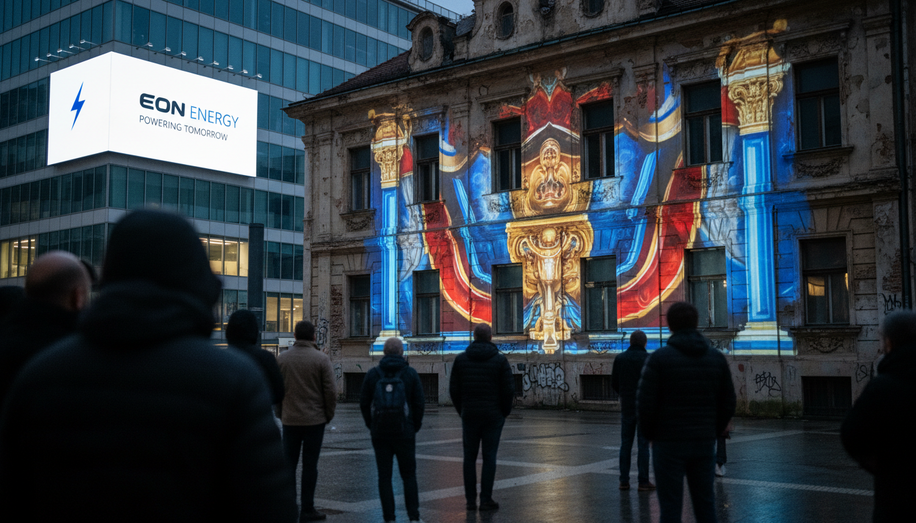

In the heart of bustling city squares and along vibrant thoroughfares, digital out-of-home (DOOH) advertising is evolving far beyond the familiar flat LED billboards that have long dominated public spaces. Cutting-edge technologies like volumetric screens, projection mapping, and transparent LEDs are transforming urban landscapes into immersive canvases, where advertisements don’t just inform but envelop passersby in dynamic, three-dimensional experiences. These innovations harness the power of light, motion, and interactivity to redefine how brands connect with audiences, turning everyday commutes into moments of wonder and engagement.
Volumetric screens represent a leap into the third dimension, creating illusions of floating holograms or solid objects that appear to defy gravity. Unlike traditional two-dimensional displays, these systems use layered LED arrays or rapid projection to render true 3D images viewable from multiple angles, captivating viewers as they walk by. In high-traffic areas like Tokyo’s Shibuya Crossing or New York’s Times Square, brands have deployed volumetric billboards to showcase products in startling realism—a leaping sports car that seems to burst from the screen or a swirling perfume bottle that invites onlookers to lean in closer. This technology leverages pixel-precise control and self-regulating brightness to ensure visibility day or night, even in adverse weather, expanding advertising reach without the constraints of flat surfaces. Advertisers benefit from remote programming via asynchronous systems, allowing real-time content swaps for events or promotions, making these displays as flexible as they are mesmerizing.
Projection mapping takes immersion a step further by turning entire buildings or urban structures into living, breathing advertisements. High-powered projectors cast vivid images onto irregular surfaces—facades, bridges, or even water features—morphing static architecture into storytelling spectacles. Imagine a historic skyscraper in London dissolving into a cascading waterfall for a beverage campaign, or a shopping mall in Dubai animating its exterior with dancing figures that sync to passing pedestrian traffic. This technique excels in creating narrative-driven experiences, where content adapts to environmental triggers like time of day or crowd density, delivered through robust content management systems (CMS) for seamless updates. Brands such as luxury retailers and entertainment venues have reported surges in social media shares, as smartphone-wielding audiences capture and amplify these spectacles, turning one-off views into viral phenomena.
Transparent LED displays offer a subtler yet equally revolutionary approach, blending seamlessly into their surroundings while delivering high-resolution visuals. These screens, embedded in glass windows or freestanding panels, allow light to pass through, maintaining transparency when idle and igniting with brilliant content on demand. Installed on storefronts, bus shelters, or office lobbies, they provide a “see-through” effect that preserves views of the cityscape behind them, eliminating the visual clutter of opaque billboards. A fashion brand might project ethereal models gliding across a department store window, visible from both sides, drawing commuters inward without obstructing sightlines. Their flexibility shines in diverse settings—from mobile advertising boats to fixed high-traffic installations—supported by internet connectivity for dynamic targeting based on geolocation or demographics. This format not only enhances urban aesthetics but also boosts engagement through interactive elements like QR codes, bridging physical spaces to mobile actions.
These technologies collectively elevate DOOH from passive viewing to active participation, incorporating augmented reality (AR) overlays that let pedestrians scan screens for virtual try-ons or extended narratives. A cosmetics campaign could enable users to virtually apply lipstick via their phone, while travel ads transport viewers to beaches through VR previews on volumetric setups. In sports arenas or transit hubs, transparent LEDs and projections sync with live events, displaying real-time scores alongside branded content, fostering emotional connections amid the thrill. The result is heightened relevance: coffee ads bloom near offices at dawn, evening promotions target residential flows, all powered by data analytics.
Yet, this shift demands strategic integration. Advertisers must pair hardware innovation with sophisticated CMS for remote control and performance tracking, where impressions are measured via publisher multipliers estimating viewer counts rather than mere screen plays. Costs recoup through dynamic revenue models, like shared screen rotations in large-format networks. Challenges persist—high initial investments and the need for weather-resilient setups—but the payoff is clear: campaigns that drive not just awareness but conversions, as immersive formats command longer dwell times and organic sharing.
As cities densify and attention fragments, these beyond-standard formats are reimagining public spaces as collaborative brand stages. Volumetric depths pull eyes from smartphones, projections animate the skyline, and transparent veils whisper invitations without shouting. In this new era, DOOH isn’t interrupting urban life—it’s enhancing it, forging indelible memories that propel brands forward.