
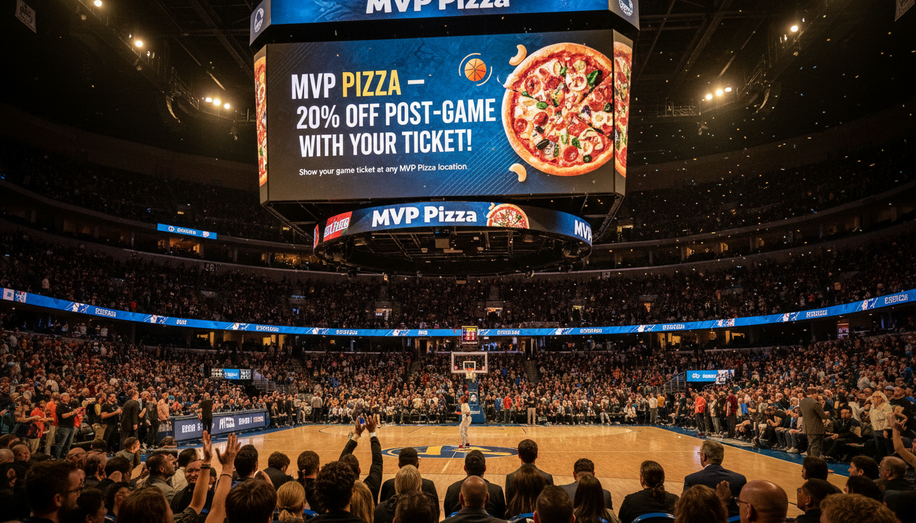

In the bustling heart of a city, where commuters rush past towering digital screens, an advertisement doesn’t just flash by—it speaks directly to the moment. A billboard near a packed stadium touts a beer’s refreshing chill during a Six Nations rugby match, or a coffee chain’s display shifts from morning lattes to afternoon iced drinks as the sun climbs higher. This is contextual relevance in out-of-home (OOH) advertising, elevating campaigns beyond static geographic targeting to forge genuine connections that drive memorability and action.
Traditional OOH relied heavily on high-traffic locations to maximize impressions, but today’s digital out-of-home (DOOH) networks harness real-time data—weather, events, time of day, and nearby landmarks—to make ads pulse with the environment. Research underscores the payoff: contextually relevant messaging boosts ad effectiveness by an average of 17%, with neuroscience studies showing a 32% spike in brain response when content aligns perfectly with the “moment of truth.” For brands, this means transforming passive viewers into engaged prospects, as ads feel less like interruptions and more like timely invitations.
Consider Google’s pioneering Outside campaign, which fed thousands of unique, real-time data points into digital OOH screens, making them context-aware. Initial tests emphasized location alone, but a follow-up layered in dynamic, intimate copy tied to time of day and activities. The result? Personal relevance surged by 20% over branding-only ads, alongside gains in brand metrics like uniqueness (+27%) and positivity (+9%). Contextual overlays drove a 15% overall lift versus standard campaigns, with peaks up to 24% in engagement and store visits.
Retailers have leaned into this power with striking results. JCDecaux’s analysis of digital screens at 400 Tesco stores optimized ads for peak sales windows by time of day, yielding nearly 50% higher brand sales—rising another 20% for seasonal executions woven into the creative. One retailer’s holiday messaging amplified seasonal brand association by 40%, outshining competitors’ TV spots in purchase intent despite lower recall. Costa Coffee took it further with JCDecaux, testing DOOH creatives: time-of-day prompts, product ties to those hours, and location-specific calls-to-action. Each variant sharpened relevance, proving localisation resonates—77% of consumers crave ads tailored to their spot on the map.
Sports and events offer fertile ground for such synergy. Bauer Media Outdoor’s Guinness campaign during the Six Nations synced messaging with the electric atmosphere, capturing attention by mirroring fans’ fervor. Brain response jumped 12% from timing alone, doubling to 32% with spot-on content. Similarly, Camelot’s lottery scratchcard push around London’s transport hubs dynamically referenced local winner counts, sparking the brand’s biggest sales week in six years and boosting buyers by 50%. These aren’t anomalies; across OOH studies, contextual tactics deliver consistent +30% uplifts, with call-to-action and sales metrics leading at +40%, outpacing awareness (+5%).
Proximity to complementary businesses amplifies this further. Burger King’s cheeky posters taunting McDonald’s fans with “just 200 meters away” exemplify how rivalry-fueled context sticks. OOH Today data shows location-relevant DOOH hikes customer reception (+18%), spontaneous recall (+17%), and sales (+16%). In shopping centers or transit hubs, ads nodding to nearby stores create ecosystems of influence—think a fitness brand near a gym promoting post-workout shakes, or weather-tied umbrellas outside during rain.
Technology underpins this mastery. DOOH’s dynamic capabilities enable “targeted broadcast,” swapping creatives in real-time for groups based on triggers like traffic or flight delays. Grocery TV highlights how variables—neighborhood vibes, local festivals, even elevator rides—craft trusted touchpoints in daily routines. Summer campaigns in London added format innovations to contextual creatives, surging call-to-action by 37% through heightened brand ties.
Yet success demands precision. Context isn’t chaos; it’s strategic alignment. Overly personal data risks privacy pushback, so brands focus on ambient cues—events, weather, surroundings—that feel serendipitous, not surveilled. Phable Labs notes this protects reputation while beating reach through relevance. As attention fragments across screens, OOH’s physicality plus context redefines impact: neuroscience confirms the brain prioritizes what’s immediately pertinent.
Forward-thinking agencies like Talon OOH and Posterscope champion this shift, proving context is king. A +40% seasonal lift or 50% sales boom isn’t luck—it’s ads that anticipate needs, turning environments into amplifiers. For marketers, the lesson is clear: location sets the stage, but context steals the show, making OOH not just visible, but unforgettable.