

Art and Activism: How OOH Advertising Ignites Social Change
OOH advertising transcends commerce, becoming a canvas for activism that amplifies voices, sparks debates, and drives community action through bold, unmissable campaigns. (148 chars)
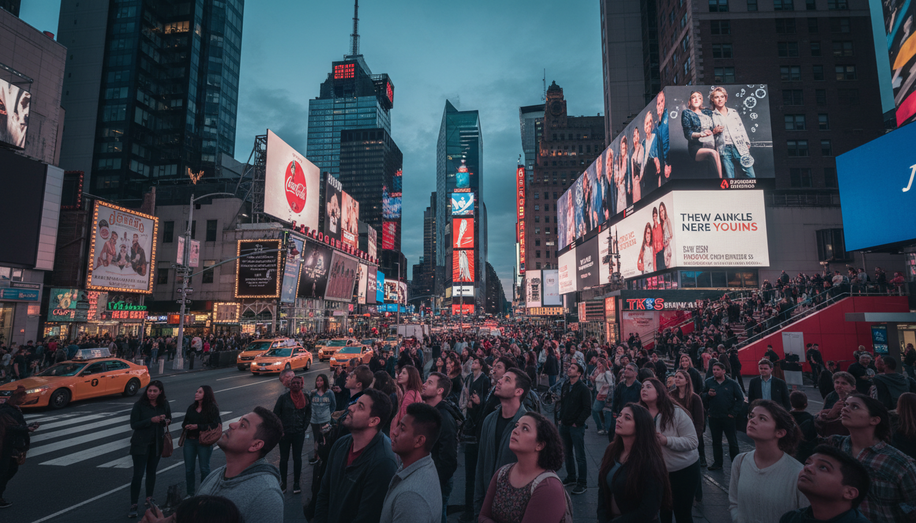
Out-of-home (OOH) advertising has long been more than a vehicle for selling products; it is a public stage where social movements take root, challenging norms and mobilizing communities. Billboards, bus shelters, and digital screens—pervasive in urban landscapes—offer unmatched visibility, reaching millions who cannot scroll away. In an era of fleeting digital feeds, OOH’s physical presence demands attention, turning passive passersby into engaged participants. This power has fueled campaigns that address environmental crises, racial injustice, and protest rights, proving advertising’s potential as a catalyst for change.
One of the most striking examples emerged in 2025 from Greenpeace and agency Elvis, with “They Can’t Arrest This Billboard.” Across digital OOH screens in London, Birmingham, and Manchester, real activists appeared inside the displays, holding placards reading, “I’m protesting in here to avoid arrest out there.” This synchronized activation protested the UK’s tightening laws on public demonstrations, simulating a silent march as screens rotated portraits in high-traffic areas. By confining activism to the safety of screens, the campaign highlighted the risks of real-world protest, drawing viewers into a visceral dialogue on free speech. It underscored OOH’s unique ability to insert real-world issues into everyday commutes, fostering awareness without physical disruption.
Environmental activism has similarly leveraged OOH’s immediacy. Corona’s 2018 campaign, which echoed into later efforts, transformed billboards into stark warnings about ocean plastic pollution. Artist Andy Billet sculpted a three-dimensional “wave” from UK-collected waste, paired with surfer Chris Hemsworth’s image, urging recycling in cities like London, Melbourne, and Bogotá. The visceral imagery—piles of trash morphing into surf—shocked commuters, linking consumer habits to global harm and prompting pledges to reduce waste. Similarly, Piz Buin’s sunscreen campaign used UV-sensitive billboards that revealed “sunburns” as daylight faded, educating on skin cancer risks through environmental triggers. These activations blend art and science, making abstract threats tangible and actionable.
Corporate brands have also harnessed OOH for social justice, often amid controversy. Following George Floyd’s killing, outdoor giants like The North Face, REI, and Patagonia pulled ads from Facebook and Instagram as part of the NAACP’s #stophateforprofit initiative. While not traditional OOH, this move rippled into public spaces, with brands condemning racism via billboards and transit ads, observing Juneteenth, and granting protest leave. Critics labeled it “virtue signaling,” but it amplified BIPOC voices in outdoors marketing, pushing for inclusive hiring and representation. The North Face’s bold stance set a precedent, showing how pausing commercial OOH can spotlight systemic inequities.
Guerrilla-style OOH has amplified movements through surprise and integration. Nike’s “Unlimited Stadium” in Manila turned a pop-up LED track—shaped like a giant shoe—into an interactive race, tracking runners via shoe sensors and blending sport with urban energy. Though promotional, it echoed activism by reclaiming public spaces for empowerment. The Blair Witch Project’s low-budget posters mimicked missing-person flyers, blurring fiction and reality to build grassroots buzz, a tactic mirrored in modern PSAs like Buick’s, where crash victims held ignored traffic signs in streets to combat reckless driving. These tactics turn OOH into participatory art, sparking shares and conversations.
Even non-commercial alerts demonstrate OOH’s activist might. In Finland, digital screens across JCDecaux, Bauer Media Outdoor, and others displayed Ukraine war air raid-style notifications with donation links via MobilePay, appearing on nearly every urban display at no cost. This real-time intervention connected distant crises to local action, boosting aid during ongoing conflict. Weather-responsive campaigns, like McDonald’s frozen drinks triggering above 22°C or Rain-X ads during downpours, show how data-driven OOH can pivot to social good—imagine UV-triggered climate alerts or heatwave poverty drives.
Yet OOH activism faces hurdles. Overly commercial efforts risk backlash, as seen with some outdoor brands’ social justice pivots, where boycotts ensued despite intent. Regulations, like the UK’s protest laws, threaten even digital displays. Still, metrics prove impact: Greenpeace’s billboard garnered viral attention, Corona’s spurred recycling, and Ukraine alerts drove donations.
OOH’s role in activism endures because it invades public consciousness, unfiltered by algorithms. From plastic waves to virtual protesters, these campaigns weave art into advocacy, proving advertising can heal divides and ignite change. As social movements evolve, OOH remains an indispensable ally—bold, immediate, and impossible to ignore.
(Word count: 712)