
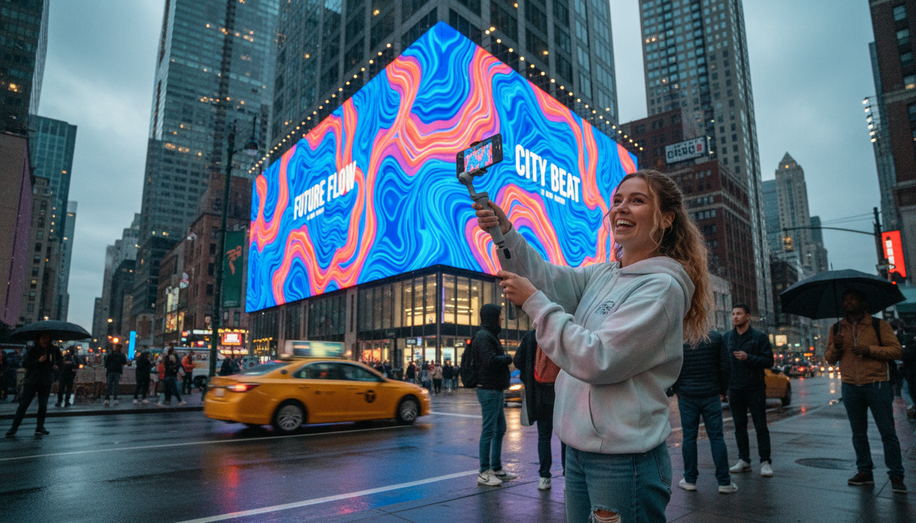

The convergence of out-of-home advertising and influencer marketing has fundamentally transformed how brands engage with audiences across both physical and digital spaces. By strategically combining the mass visibility of billboards and transit advertising with the authentic reach of influencer partnerships, companies can create cohesive campaigns that drive awareness, engagement, and measurable sales results in ways that neither channel could achieve alone.
Traditional out-of-home advertising has long served as a cornerstone of brand awareness, reaching millions of consumers in high-traffic locations. However, the true power emerges when OOH campaigns are amplified through influencer partnerships that extend the campaign’s narrative into digital spaces. Influencers excel at translating the broad awareness created by physical advertisements into meaningful, targeted engagement with their followers. This hybrid approach creates a seamless customer journey where consumers encounter a brand message on the street and then interact with it across their social media feeds, creating multiple touchpoints that reinforce brand recall and drive action.
One compelling advantage of integrating OOH with influencer marketing is enhanced visibility and credibility. Billboards provide mass exposure to diverse audiences, while influencers offer precision targeting to niche communities. When an influencer endorses a billboard campaign on their social channels, they lend authenticity and trust to the advertised brand, transforming a traditional advertisement into a trusted recommendation. This combination addresses a critical consumer demand: audiences increasingly seek both credibility from established brands and authenticity from trusted personalities.
The mechanics of successful integration require strategic coordination. Coca-Cola’s “Share a Coke” campaign exemplifies this synergy, utilizing traditional outdoor billboards to generate broad awareness while simultaneously seeding the campaign with social media influencers who shared personalized Coke bottles and encouraged followers to participate using the hashtag #ShareACoke. The result was a viral phenomenon that blended offline visibility with organic online engagement, resulting in millions of consumer posts and significantly amplified reach.
Nike’s regional campaign targeting fitness enthusiasts demonstrates how geotargeting amplifies this effect. By placing billboards featuring local fitness influencers near gyms and running tracks, the brand ensured that physical advertisements reached audiences already primed to engage with the content. These same influencers simultaneously shared workout routines and product experiences on social media, creating a reinforcing loop where online and offline messaging worked in concert.
Beauty brand Glossier leveraged this integration by featuring established beauty bloggers on billboards in major cities while having those same influencers share behind-the-scenes content from the billboard shoots. This approach created anticipation and buzz among followers before they encountered the physical advertisement, then drove measurable conversions through exclusive discount codes promoted by the influencers. The campaign generated significant spikes in online sales while creating organic, user-generated content that extended the campaign’s reach exponentially.
The strategic deployment of OOH in influencer campaigns also encourages user-generated content and organic amplification. When brands integrate interactive elements or calls-to-action that tie billboards to influencer content, followers are motivated to seek out the physical advertisement and share their experiences across social platforms. This organic amplification extends campaign reach far beyond the paid media investment.
YETI’s ambassador model offers another instructive example, demonstrating how consistent integration of authentic storytelling across channels—including both traditional and influencer-driven content—builds lasting community and brand loyalty. By emphasizing how products fit naturally within an outdoor lifestyle through genuine stories from community members, the brand created multi-channel resonance that drives both awareness and conversion.
As consumer expectations increasingly demand seamless, authentic brand experiences across all touchpoints, the integration of OOH advertising with influencer marketing has transitioned from an experimental tactic to an essential strategy. Brands that successfully blend the expansive reach of physical advertisements with the authentic engagement of influencer partnerships position themselves to capture attention, foster meaningful connections, and achieve measurable marketing success in an increasingly fragmented media landscape.