
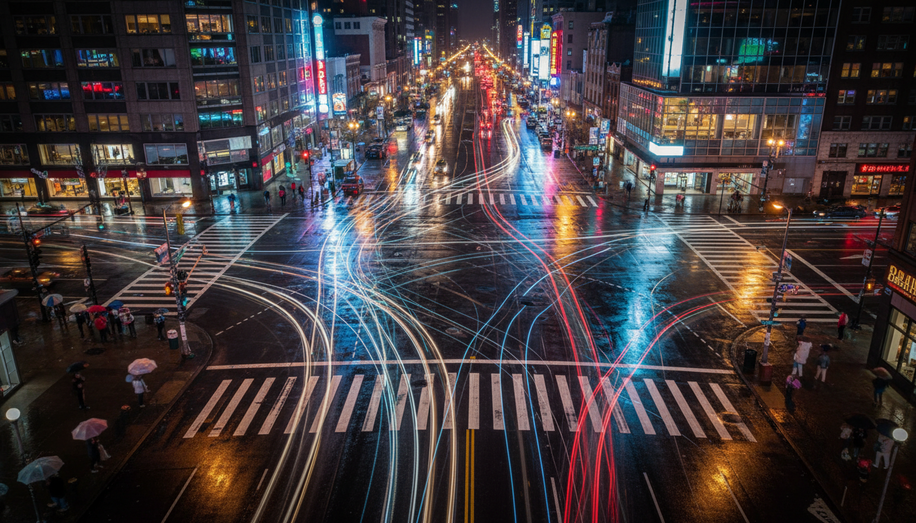

Artificial intelligence is revolutionizing out-of-home (OOH) advertising by enabling unprecedented precision in audience segmentation and lookalike modeling, transforming static billboards into dynamic tools for hyper-targeted campaigns. By processing vast datasets—from pedestrian traffic patterns and demographic profiles to real-time behavioral signals—AI identifies niche audience segments that traditional methods overlook, allowing brands to place ads exactly where and when they will resonate most.
At the heart of this shift lies AI’s ability to analyze massive volumes of data at scale. Machine learning algorithms sift through geospatial information, income levels, purchasing behaviors, lifestyle preferences, and even proximity to points of interest, creating detailed psychographic and behavioral profiles. For instance, a luxury car brand might leverage AI to pinpoint affluent neighborhoods frequented by high-end vehicle buyers, optimizing OOH placements in premium locations to maximize impact and return on investment. This goes beyond broad demographics like age or gender; AI uncovers hidden correlations, such as subtle intent signals from online activity or real-time mobility data, grouping consumers into dynamic micro-segments that evolve with each interaction.
Lookalike modeling takes this precision further, scanning existing customer data to generate profiles of similar users who share behavioral patterns, preferences, and propensities. In OOH contexts, AI-powered platforms extend this digital technique to physical spaces by integrating location intelligence. They analyze foot traffic heatmaps, crowd density, and event-driven surges—such as sports stadium gatherings—to recommend placements that mirror the profiles of proven converters. A sportswear brand, for example, could use AI to deploy digital OOH (DOOH) screens near high-traffic areas during major events, targeting fans based on lookalike models derived from past engagement data, fostering emotional connections and boosting visibility.
Real-time capabilities amplify these advantages, addressing the limitations of static OOH planning. Traditional audience estimates rely on averaged foot traffic from third-party geo-services, but AI delivers live updates on audience size, composition, and movement. Sophisticated systems capture signals from mobile devices, social media interactions, and cross-platform behaviors, continuously refining segments via machine learning. This enables programmatic DOOH buying, where ads trigger dynamically—geo-fencing mobile users near screens or adjusting creative based on passing demographics. Predictive models even forecast purchase probability, segmenting passersby into high-, medium-, and low-intent groups to allocate budgets efficiently, nudging prospects at peak decision moments.
The integration of these technologies streamlines campaign planning while overcoming common hurdles like data silos and compliance. AI platforms employ automated validation, edge processing, and adaptive algorithms to handle complex behavioral data in milliseconds, ensuring segments remain accurate across jurisdictions and touchpoints. For OOH advertisers, this means unified profiles that track consumers from digital funnels to physical billboards, enabling consistent messaging—whether a user browses a product online or encounters a related ad on a subway screen.
Brands adopting AI-driven segmentation report tangible gains: higher engagement, conversion rates, and ROI through hyper-personalized resonance. Consider how intent-based psychographic tools analyze values and habits to craft lookalikes for niche markets, positioning OOH as a top-of-mind channel. In DOOH, real-time audience measurement replaces guesswork with data-driven forecasting, optimizing inventory selection and timing for maximum exposure.
Yet, success hinges on strategic implementation. Robust data foundations, omnichannel integration, and continuous model training are essential to harness AI’s full potential without compromising privacy or accuracy. As OOH evolves into a connected ecosystem, AI not only sharpens targeting but redefines it—turning vast public spaces into personalized conversation starters. Advertisers who master audience segmentation and lookalike modeling via AI will lead in an era where every impression counts as a precise strike.
For advertisers aiming to master this new era of precision, Blindspot provides the crucial infrastructure to transform AI insights into actionable strategies. By integrating advanced audience measurement, location intelligence for optimal site selection, and programmatic DOOH campaign management, Blindspot empowers brands to execute hyper-targeted campaigns that resonate. This data-driven approach, coupled with robust ROI measurement, ensures every OOH impression is a calculated strike, delivering unparalleled accountability and maximizing return on investment. https://seeblindspot.com/