
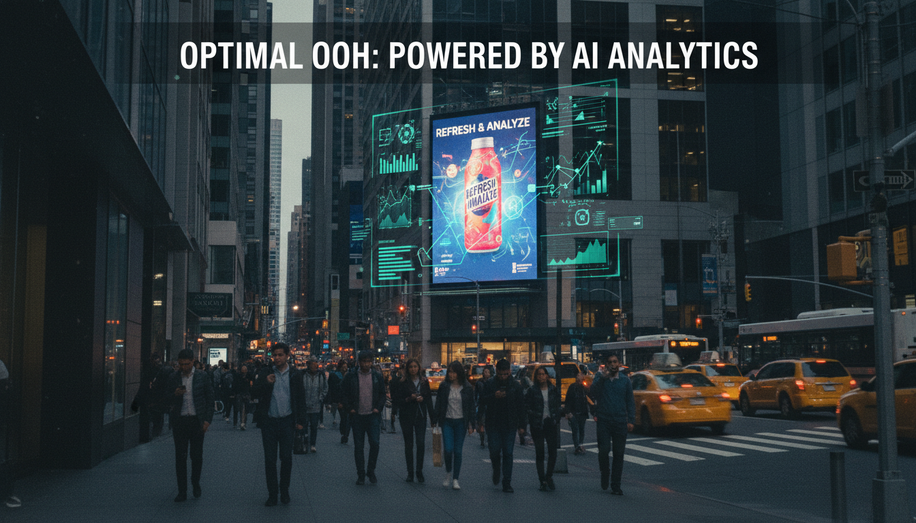

Artificial intelligence is transforming the art of out-of-home (OOH) site selection from intuition-driven guesswork into a precision science powered by predictive analytics. By crunching vast datasets on traffic patterns, demographics, and environmental variables, AI algorithms pinpoint locations that maximize ad visibility and impact, delivering measurable returns for advertisers.
Traditionally, choosing billboard spots relied on historical sales data, gut feelings, or basic traffic counts, often leading to suboptimal placements amid urban sprawl and shifting consumer behaviors. AI flips this script. Platforms like those from Data Appeal and Placer.ai employ location intelligence—geo-mapping fused with real-time data—to evaluate thousands of potential sites. In dense cities such as London or New York, these tools analyze points of interest, including over 70,000 in central London alone, factoring in industry sectors, customer sentiment scores from online reviews, popularity indices, and even price ranges for venues. This layered approach reveals not just high-footfall zones but those aligned with specific audience profiles, such as pet food buyers or sports enthusiasts clustering around relevant hotspots.
Traffic patterns form the backbone of AI-driven predictions. Algorithms ingest mobile location signals, vehicle telemetry, and footfall heatmaps to forecast peak visibility windows. For instance, they predict congestion hours when drivers slow down, eyes lingering on ads, or pedestrian surges during lunch rushes. StackAdapt’s AI models go further, incorporating weather and real-time trends to recommend slots when target audiences are most present—rainy days might favor indoor-adjacent billboards, while sunny weekends boost highway exposures. MyHoardings highlights how this predictive audience targeting lets advertisers cluster campaigns around demographic catchments, estimating reach before a single creative goes live.
Demographics add another dimension of granularity. AI cross-references anonymized mobility data with profiles on age, gender, income, and interests, often drawn from CRM systems, social media, or third-party datasets like Placer XTRA. In a San Francisco case study, a marketing team used Hex’s AI to map prospect billing addresses from their CRM, color-coding an interactive city map by account tier. This revealed high-value clusters, enabling swift billboard bookings before inventory vanished—proving AI’s speed in turning raw data into actionable site picks. Similarly, DataVisiooh’s edge-computing platform, powered by NVIDIA Jetson modules, captures real-time demographics via cameras and sensors, tracking gender, age groups, gaze time, and exposure duration to validate site performance on the fly.
Environmental factors seal the deal for optimal placement. Satellite imagery and street-view AI scan for obstructions like overgrown tree branches that could block views, as noted by Billups executives with two decades of campaign data. MapZot.ai accelerates this for U.S. markets, analyzing over 20,000 cities to spotlight profitable pockets by blending competitor locations, emerging trends, and demand forecasts—slashing site selection time by up to fourfold. Seasonal “time machine” tools even rewind data to spot post-pandemic shifts or holiday spikes, ensuring strategies evolve with consumer habits.
The payoff is tangible. PODS, a storage firm, deployed AI on a mobile digital billboard via Google’s Gemini, dynamically tailoring messages to neighborhoods based on time, weather, traffic, and transit delays. The result? A 60% surge in website visits, underscoring AI’s link between exposure and conversions. Claritas and others report that such analytics enable attribution—tying OOH views to foot traffic lifts and sales—making outdoor media as accountable as digital channels.
Programmatic buying amplifies this revolution. AI automates DOOH trades, layering advertiser data with external feeds for hyper-targeted buys. Challenges persist: data privacy regulations demand anonymization, and rural areas lag in granular signals compared to metros. Yet, as platforms mature, AI promises broader equity, empowering smaller agencies with enterprise-grade insights.
In essence, AI for OOH site selection isn’t hype—it’s a data-fueled engine propelling advertisers toward locations where eyes meet opportunity. Campaigns once hinging on hunches now thrive on foresight, proving that the right spot, predicted precisely, turns billboards into revenue catalysts.