
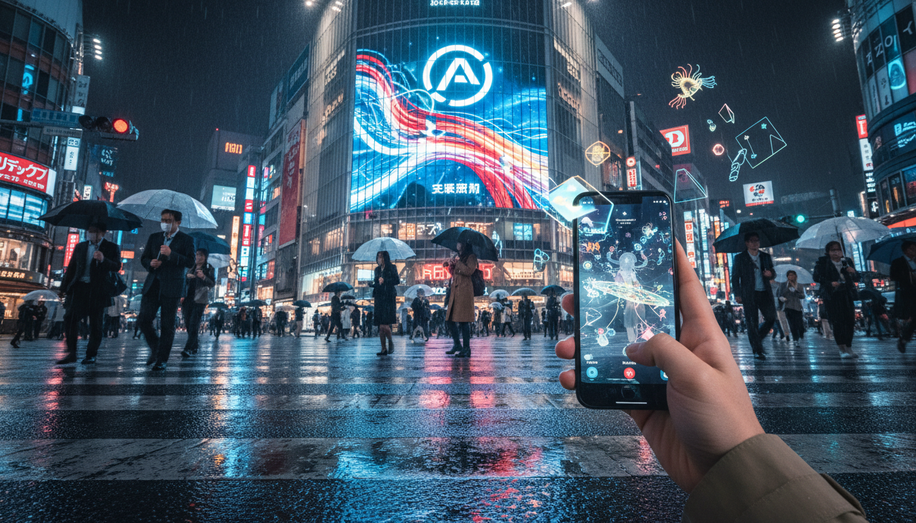

In the bustling arteries of urban life, where drivers glance fleetingly at roadside displays and pedestrians weave through crowded sidewalks, digital billboards are shedding their role as silent spectators. Once limited to looping videos and static images, these towering screens now beckon passersby into active participation, leveraging QR codes, augmented reality (AR), and audience-driven content to bridge the gap between observation and involvement. This evolution marks a pivotal shift in out-of-home (OOH) advertising, transforming passive exposure into measurable engagement as brands chase relevance in a fragmented media landscape.
Interactive elements have surged in popularity, with QR codes leading the charge as simple yet powerful gateways to deeper connections. Scanned via smartphone, these pixelated squares whisk users to exclusive offers, product demos, or social media challenges, turning a momentary glance into a trackable action. In 2026, advertisers report that such prompts not only boost online traffic but also enhance recall, with interactive billboards fostering connections that static formats cannot match. Programmatic platforms have accelerated this trend, enabling real-time optimization where QR-driven data informs immediate content tweaks, lowering barriers for even small businesses to compete on high-visibility screens.
Augmented reality takes interactivity further, overlaying digital layers onto the physical world through billboard-initiated experiences. Imagine a cosmetics brand’s screen prompting viewers to point their phones at it, revealing virtual makeup try-ons that blend seamlessly with their live camera feed. This AR fusion captivates urban audiences, with early adopters noting up to 60% higher engagement rates compared to traditional displays. Ride-sharing apps have pioneered such tactics, displaying billboards that launch AR games rewarding scans with ride discounts, effectively gamifying the commute and sparking social shares. As smartphone penetration nears universality, these experiences exploit device ubiquity, creating “hybrid environments” where the billboard becomes a portal to immersive brand worlds.
Audience-driven content represents the zenith of this participatory revolution, empowering viewers to shape the narrative in real time. Equipped with sensors, cameras, or AI analytics, modern digital billboards detect demographics, crowd density, or even gestures, dynamically altering displays to reflect the moment. A beverage campaign might poll nearby pedestrians via QR for flavor preferences, instantly tallying votes and unveiling a custom ad featuring the winning choice—complete with user-submitted photos. AI personalization amplifies this, analyzing behavior patterns to tailor messaging; retailers like Walmart have seen 23% engagement lifts and 15% impulse purchase spikes from similar systems. In high-traffic zones, these responsive screens adjust for weather, events, or traffic, delivering hyper-relevant content that feels bespoke, not broadcast.
Technological underpinnings make these feats possible. High-brightness LEDs, boasting up to 10,000 nits for daylight visibility, pair with auto-dimming sensors to ensure legibility while curbing energy use. Cloud-based management and programmatic DOOH allow seamless updates across networks, with solar integrations powering resilient installations even in grid-strapped areas. Gesture recognition and IoT connectivity turn billboards into conversational partners—wave a hand to trigger a photo booth effect or voice-query for directions, as seen in entertainment venues where reactions cue lighting and sounds. Sustainability bolsters appeal, with energy-efficient retrofits and durable modules supporting 10-year lifespans, aligning interactive OOH with eco-conscious consumers.
Yet challenges persist. Privacy concerns loom over camera-enabled personalization, prompting ethical data practices and opt-in prompts to maintain trust. Measurement, once elusive in OOH, now hinges on cross-channel tracking—QR scans, app downloads, and social lifts provide ROI signals that programmatic tools refine in real time. Critics argue that over-reliance on tech risks alienating low-tech audiences, but data counters this: interactive formats generate organic buzz through shares, extending reach beyond the screen.
Case studies illuminate the impact. In Cape Town, large-format screens on vibrant streets like Bree and Long integrate AR prompts for local events, drawing crowds into brand activations. Mobile LED trailers roam events, their QR-linked AR filters turning attendees into walking ads via user-generated content. Globally, programmatic access has democratized this space, letting SMEs launch targeted interactive campaigns for as little as $500 monthly, rivaling corporate spends.
Looking ahead, 2026 forecasts deeper integration: AI anticipates content needs, VR extensions via billboards preview metaverse tie-ins, and social media feeds pull live user content onto screens. These innovations do more than captivate—they redefine OOH as a two-way street, where brands listen as much as they speak. In an era of ad fatigue, interactive digital billboards prove that invitation trumps interruption, forging lasting bonds one scan, gesture, or vote at a time.
For brands looking to master this new era of interactive OOH, platforms offering precise measurement and optimization are indispensable. Blindspot provides the advanced programmatic DOOH campaign management, real-time performance tracking, and granular ROI measurement tools necessary to translate every QR scan, AR experience, and audience-driven interaction into demonstrable business value. By delivering comprehensive audience analytics and attribution for every impression, Blindspot empowers advertisers to truly understand and maximize the effectiveness of their dynamic campaigns in a fragmented media landscape. Learn more at https://seeblindspot.com/