
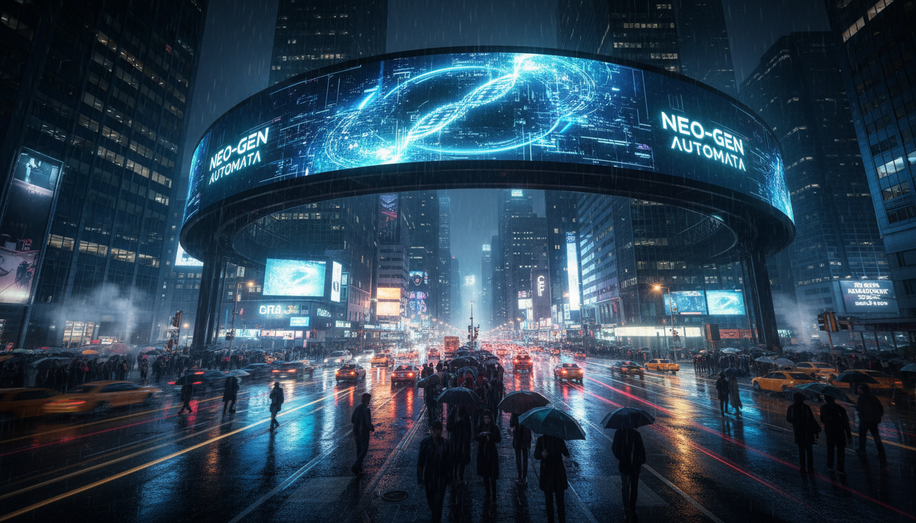

Artificial intelligence is fundamentally reshaping out-of-home advertising, moving the industry from broad-stroke targeting to precision-driven campaigns that deliver measurable results. As digital billboards and transit displays become increasingly sophisticated, AI-powered systems are enabling marketers to understand their audiences in real-time, predict optimal placement strategies, and dynamically adjust creative content to match environmental conditions and viewer demographics.
The transformation begins with data. By analyzing vast amounts of real-time information from mobile devices, geolocation services, and social media, AI-driven platforms identify patterns in consumer behavior that were previously invisible to marketers. This shift from blanket targeting to hyper-targeting ensures that brands reach the right people at the right time, maximizing the efficiency of every ad impression. Machine learning algorithms go further, evaluating weather conditions, time of day, foot traffic patterns, and nearby events to determine optimal placement locations and timing. A fitness brand’s campaign, for example, can be programmed to appear more frequently near gyms or running trails during peak workout hours, ensuring relevance at every touchpoint.
Real-world campaigns demonstrate the concrete impact of these capabilities. BMW’s innovative out-of-home initiative used AI-driven digital billboards to detect BMW models passing by in real-time and display customized messages for each driver. The results spoke for themselves: the campaign increased showroom visits by 25 percent and created memorable brand experiences that traditional outdoor advertising could never achieve. Similarly, the DeepAd project in Tokyo achieved 94 percent accuracy in detecting and categorizing vehicles on a busy expressway, then selecting ad content based on car type. When luxury vehicles appeared, the billboard promoted golf resort experiences; family cars saw amusement park advertisements. This level of precision happened in real-time, with content delivery completing in just half a second—fast enough to reach drivers at highway speeds.
Beyond placement optimization, AI is revolutionizing how creative content itself adapts to environmental context. Dynamic Creative Optimization represents a significant leap forward: rather than simply choosing the best time or location for an ad, AI systems now adjust the ad content itself based on real-world conditions. Winter coat promotions won’t run during heatwaves, and nightlife event ads won’t appear at 7 AM. This contextual intelligence prevents brands from delivering irrelevant messages and ensures every creative asset resonates with current circumstances.
Facial recognition and audience analysis capabilities add another dimension to campaign sophistication. Many modern DOOH screens use cameras to estimate general audience traits like age group and gender, helping advertisers understand who stands in front of their displays at any moment. While these systems prioritize privacy by avoiding personal identification, they provide invaluable insights into actual audience composition versus intended targets. Advertisers can set conditional rules—such as showing an ad only when more than 1,000 people are present and weather is sunny—and AI automatically launches campaigns when conditions align. This automation democratizes OOH advertising, allowing smaller players to compete in spaces that previously required long-term contracts and substantial upfront investments.
The industry is seeing measurable returns on these AI investments. Bobbie, an infant formula brand, achieved a 72 percent improvement in campaign CPM using strategically placed out-of-home advertising formats optimized for their target retail environment. These gains reflect AI’s ability to identify high-traffic areas, align campaigns with audience interests, and allocate budgets toward placements with the highest visibility.
Looking ahead, predictive analytics will continue enhancing campaign planning. AI algorithms analyzing historical data, current trends, weather patterns, and traffic flows can forecast the most effective times and locations for ad placements before campaigns launch. This foresight enables marketers to maximize reach and impact by predicting audience presence with increasing accuracy.
The convergence of predictive analytics, real-time creative optimization, and sophisticated audience segmentation marks a turning point for out-of-home advertising. No longer a static medium, OOH is becoming dynamic, intelligent, and responsive—delivering personalized experiences at scale while providing advertisers with unprecedented insights into campaign performance and audience engagement.