

In the fragmented landscape of modern marketing, out-of-home (OOH) advertising has evolved from a standalone medium into a powerful catalyst for cross-channel synergy, amplifying the impact of digital, mobile, social, and traditional TV campaigns. By leveraging real-time data, precise targeting, and seamless integration, brands are creating unified ecosystems that drive measurable lifts in awareness, engagement, and conversions, turning passive exposures into active consumer journeys.
Consider the NBA’s high-stakes push for viewership during a pivotal playoff series. The league deployed digital OOH (DOOH) screens synchronized with Twitter takeovers—now X—delivering dynamic content that urged fans to tune in. This coordination yielded a 25% surge in tune-in intent and a 7% boost in brand awareness, reaching millions while earning accolades like OAAA Media Plan of the Year. Here, OOH served as the bold, public spark that ignited social media conversations, extending the campaign’s reach far beyond physical screens.
This interplay shines brightest when OOH pairs with mobile advertising. Research from Ocean Neuroscience reveals consumers are 48% more likely to engage with a mobile ad after encountering the same creative out-of-home, as the physical encounter primes digital responsiveness. Outfront Media explains the mechanics: Devices passing through an OOH “viewshed”—the area where ads are visible—allow advertisers to identify and retarget matching audiences on their phones, stacking frequency atop initial exposure. The payoff? A 76% rate of post-OOH mobile actions, per OAAA and Morning Consult data, and store traffic 2.5 times higher than single-channel efforts. DoorDash exemplified this in a recruiter drive, blending DOOH with mobile retargeting to achieve a 6% lift in signup intent and 22% in job consideration.
Programmatic DOOH takes this further, enabling fluid connections with connected TV (CTV) and social platforms. Simpli.fi’s campaign for a local brand in Oklahoma City and Pittsburgh layered ZIP code-targeted CTV video ads with DOOH bursts in high-traffic zones. Web traffic doubled—100% in Oklahoma City and 102% in Pittsburgh—during DOOH-active weeks, proving how OOH extends screen-bound efforts into the real world. Samsung’s Texas rollout for the Galaxy S21 similarly fused programmatic DOOH with mobile retargeting, delivering a 1.75x increase in in-store visits alongside gains in awareness and purchase intent.
Traditional TV campaigns gain similar potency from OOH reinforcement. Church’s Texas Chicken harnessed location-based DOOH targeting with device ID passbacks for mobile retargeting, generating 19.6 million impressions, 2.4 million store visits, and a 12.2% conversion rate. Mad Mex in Australia used store sales data to trigger hyper-local DOOH creatives—tailored to emphasize taste, health, or value—exposing 2.9 million consumers and lifting sales 9%. These tactics bridge TV’s broad reach with OOH’s contextual precision, fostering a cohesive narrative across touchpoints.
Social media integration adds viral potential. A reality TV backlash campaign saw fans erect digital billboards to amplify outrage, spawning 760 million press and social impressions plus TV coverage, with billboard searches ranking second on Google. New Balance’s real-time DOOH tribute to athlete Femke Bol shifted from pre-race encouragement to victory celebration, embedding the brand in national pride and earning timely affinity.
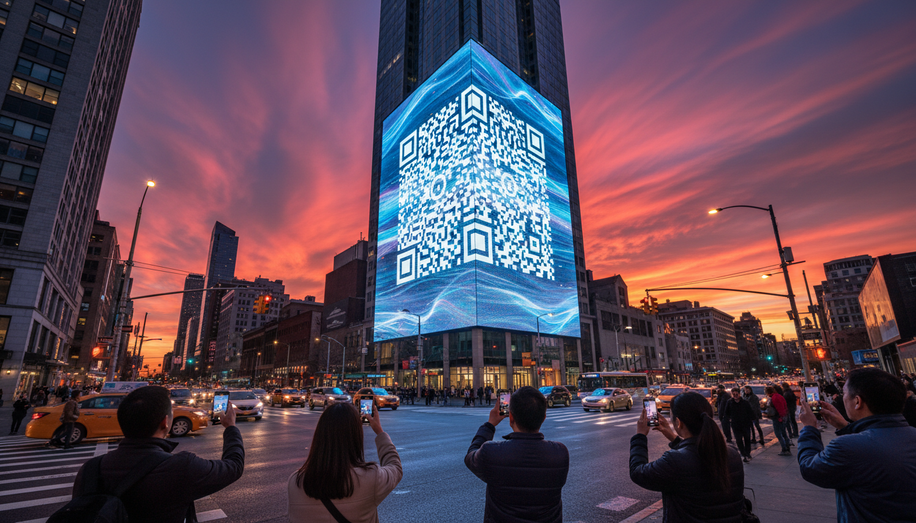
Strategies for success hinge on three pillars: data-driven audience matching, creative consistency, and measurement across silos. Boehringer Ingelheim’s pet product launch placed QR-coded DOOH near stores, blending static and digital to spur a 105% lift in purchase consideration via mobile interactions. A home goods retailer’s localized DOOH near new stores, with interactive parking garage displays, drove sales uplifts through contextual relevance. Packaged goods brands have seen mobile click-through rates rise 15% with OOH support, while grocery chains used in-flight DOOH to boost order delivery CTRs 25-fold.
Yet, integration demands technological agility. Programmatic platforms enable dynamic ad swaps, weather-triggered messaging, or event-responsive content, as in A Lot Media’s video-real-time hybrids that adapt stories on the fly. Broadsign notes DOOH-mobile combos can extend reach 303% and engagement 46%, creating omnichannel loops where OOH exposures feed retargeting algorithms.
The evidence is unequivocal: OOH doesn’t compete with digital or TV; it elevates them. By sequencing exposures—OOH for mass awareness, mobile for nurturing, social for amplification, TV for reinforcement—marketers unlock compounded ROI. In a multi-touch era, this synergy dismantles channel silos, yielding richer insights like foot traffic attribution and cross-device lift studies. Brands ignoring it risk fragmented efforts; those embracing it, from quick-service restaurants to global tech giants, are redefining campaign performance. As measurement tools mature, cross-channel OOH will anchor even more ecosystems, proving that the most effective ads are those that follow consumers wherever they roam.