
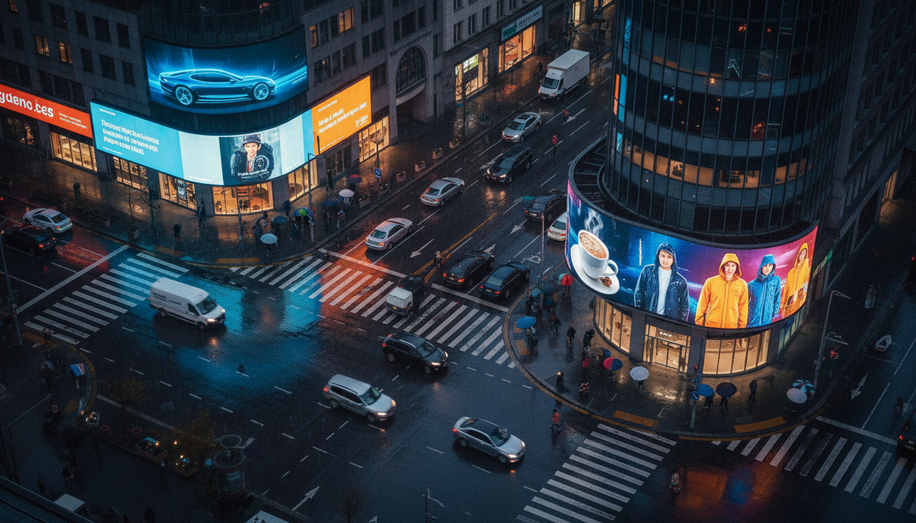

In the bustling streets of modern cities, where billboards flicker and digital screens pulse with messages, artificial intelligence is quietly reshaping out-of-home (OOH) advertising from a blunt instrument into a scalpel of precision. Predictive analytics, powered by machine learning algorithms, now forecasts audience demographics, behaviors, and even physical presence at specific locations, allowing brands to segment viewers with unprecedented granularity and deliver campaigns that feel eerily personal. This evolution moves OOH beyond broad strokes of location-based exposure toward hyper-relevant targeting, boosting engagement, relevance, and return on investment.
At its core, AI-driven predictive analytics sifts through vast datasets—historical sales figures, foot traffic patterns, weather trends, social media interactions, and geospatial information—to uncover hidden patterns in consumer behavior. Traditional OOH relied on static demographics like age or income derived from census data, but AI elevates this by layering in psychographic and behavioral insights. For instance, algorithms can predict that a cluster of affluent professionals in a downtown district frequents luxury coffee shops on weekday mornings, not just because of their zip code, but based on correlated purchase histories and mobility data from anonymized mobile signals. This enables advertisers to identify niche segments, such as eco-conscious adventurers or avid sports fans, tailoring creatives that resonate deeply—think a sportswear brand timing ads near stadiums during major events to capitalize on heightened emotional engagement.
Location intelligence stands out as one of the most transformative applications. AI tools analyze pedestrian traffic, proximity to points of interest, and real-time contextual factors like local events or weather to pinpoint optimal OOH placements. A luxury car brand, for example, might use these models to target high-end neighborhoods where data predicts clusters of high-income individuals with a propensity for premium vehicle purchases, analyzing lifestyle preferences alongside income levels to select premium digital out-of-home (DOOH) screens. Predictive models go further, simulating multiple campaign scenarios to allocate budgets efficiently, forecasting which locations will yield the highest impressions or conversions during peak periods, such as a retail chain optimizing Christmas placements based on historical sales lifts and competitor activity.
Behavioral prediction adds another layer of sophistication. Machine learning detects subtle travel patterns in urban environments, adjusting messages in real time for maximum impact—perhaps swapping sunny-day promotions for rainy-weather alternatives on DOOH screens. In programmatic OOH buying, AI automates these decisions, dynamically bidding on ad inventory while personalizing content based on inferred viewer profiles from computer vision and sensor data. Anonymized viewer classification via AI identifies passersby demographics without invading privacy, enabling screens to cycle through tailored ads: family-oriented messaging during school hours, young professional appeals in the evening rush. This dynamic segmentation fosters authentic connections, as seen with outdoor brands dissecting audiences into subgroups like hunters or hikers via online interactions and purchase data.
The payoff is measurable. Predictive analytics links OOH exposure to tangible outcomes, tracking metrics like foot traffic spikes, engagement rates, and sales conversions through advanced platforms. Brands layering their campaign data with satellite imagery or street-view feeds can even preempt issues, such as overgrown foliage blocking views, ensuring ads perform as predicted. A global retailer, for instance, might forecast campaign success by modeling consumer responses, optimizing creatives and timing to drive real-world action. Early adopters report enhanced ROI, with AI spotting trends humans miss, like gas price fluctuations influencing drive-time audiences or event-driven surges in niche demographics.
Challenges persist, of course. Data privacy regulations demand careful anonymization, and the quality of inputs directly affects prediction accuracy—garbage data yields flawed segments. Yet, as AI integrates with Internet of Things devices for richer, hyper-local insights, 2025 trends point to even deeper behavioral targeting, blending OOH with cross-platform strategies for unified customer profiles. Forward-thinking agencies already harness tools like Google Analytics or specialized platforms for these insights, turning reactive placements into proactive visions.
Ultimately, AI’s eye on OOH audiences heralds a future where advertising anticipates desire rather than interrupting it. Brands that embrace predictive segmentation don’t just reach people; they meet them where their lives unfold, transforming static billboards into conversational touchpoints that drive loyalty and sales in an increasingly discerning world. As algorithms refine their gaze, OOH stands poised for a renaissance of relevance.